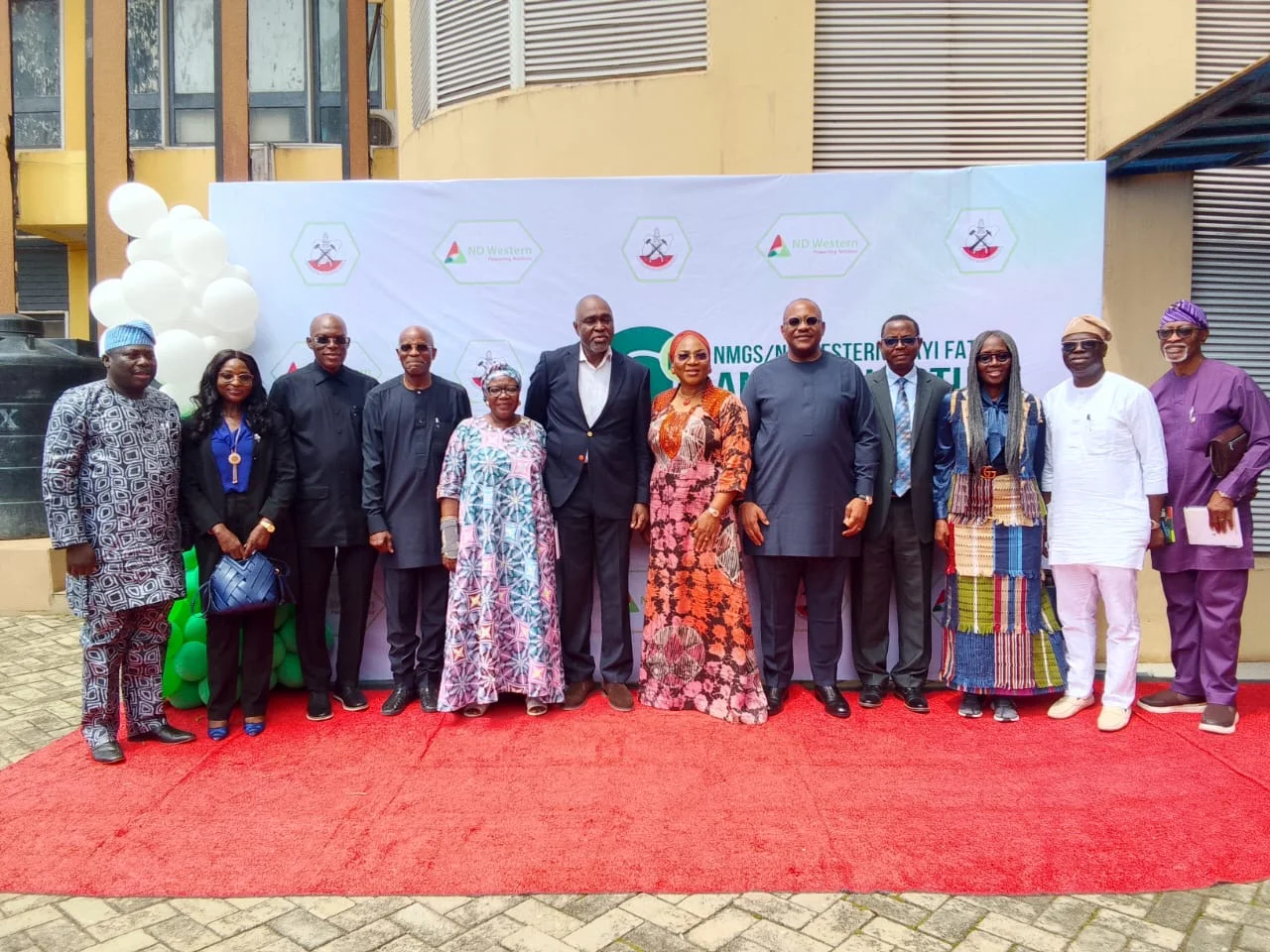

Adbowale Addokun, Director of the Public Procurement Office, announced that all contractors participating in public project bidding must submit their bids electronically from March 2, 2026. This move aims to improve transparency and accountability in public procurement.* Addokun stated that this measure was imperative due to long-standing irregularities in Nigerian procurement, which he considers a major obstacle to national development.* He announced this on Thursday at a stakeholder forum in Ikeja, Nigeria. The forum was part of consultations with key industry stakeholders and the introduction of methodologies for evaluating procurement systems.* The forum, organized by the UK-based Agile Governance and Climate Engagement Partnership, brought together contractors, suppliers, and civil society organizations to discuss the challenges facing public procurement.
The Director-General emphasized at the event that public procurement remains central to national development as it determines the quality of infrastructure and social services enjoyed by citizens.* However, he noted that the system has been plagued by irregularities for years, making reform imperative. He stated that the new MAP system will integrate technology into the procurement process, which aligns with
Tinub’s reform agenda.*“The procurement system needs fundamental reform, but some, including procurement officials, will not welcome such reform.” Lagos “Nigeria’s development depends on the effectiveness of our procurement processes. No country can develop if procurement is viewed as a purely transactional activity,” he said. “Procurement is key to this country’s transformation.”
Addokun highlighted the reforms the agency has already initiated and announced that the BPP has finalized its plan for fully electronic bidding from March 2, 2026, to eliminate human intervention.“From March 2, we will fully transition to electronic bidding. This means that no government agency can submit bids to the Public Procurement Authority (BPP) manually anymore; they have been instructed to establish online bidding platforms within their ministries, agencies, and departments (MDAs).” He explained, “Now, ministries, agencies, and departments must require their contractors to submit documents electronically.”Fatay Onafowote, the State Procurement Authority Director and representative of Governor Sanwo-Olu, also spoke at the forum. He stated that the state has long recognized the importance of technology in procurement and therefore adopted digital processes early on.He explained that using technology in public procurement will improve efficiency and transparency, adding that the Bureau of Public Procurement’s decision is a step in the right direction.“We’ve tried it and found it works, and it works in any other state.” As the highest authority, the Bureau of Public Procurement will encourage all states to adopt this proven system. Therefore, we can say that the state
is playing a leading role in ensuring that technology guides the entire process,” he added.
Senator Olajid Ipinsaghba, Chair of the Senate Public Procurement Committee, pledged parliamentary support for these reforms and stressed that the Public Procurement Agency must form a team to work with legislators to advance the reforms. Bola PACE representative Chioma Itodo also stated that her organization is committed to supporting the Public Procurement Agency in implementing comprehensive procurement reforms.
She explained that the MAP system is able to comprehensively assess the procurement framework by identifying strengths, weaknesses, and reform priorities related to the legal framework, institutional capacity, market practices, transparency, and accountability. A highlight of the forum was the Q&A session, which addressed stakeholders’ concerns.