News
Disinformation as dangerous as direct security threat, Army chief warns

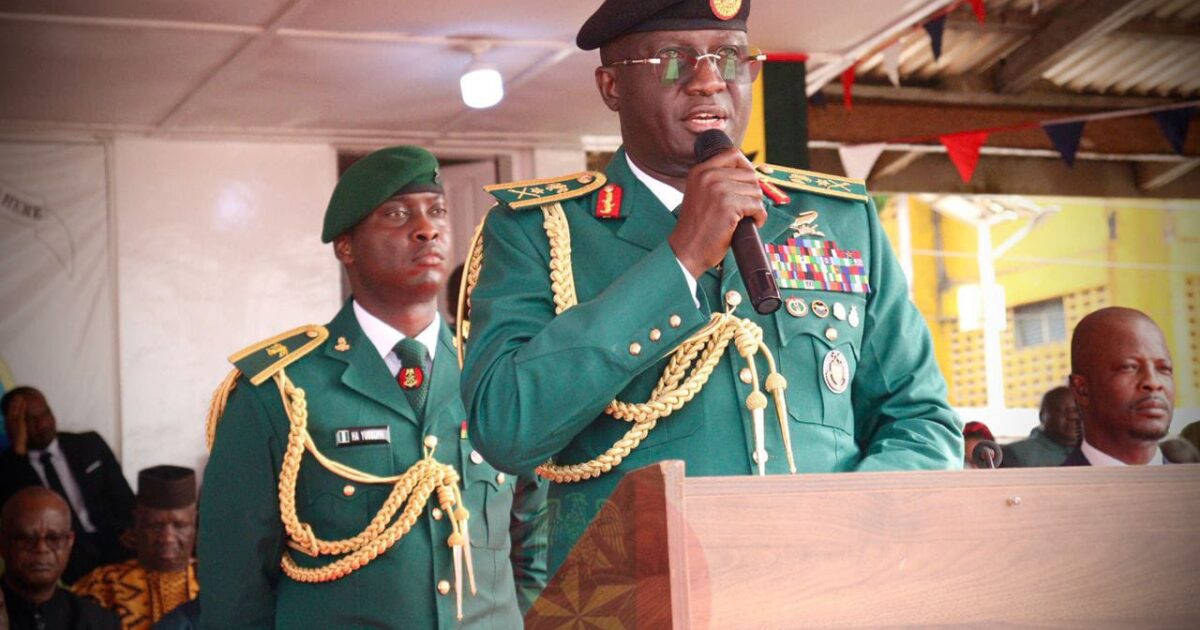
The Chief of Army Staff, Lieutenant General Waidi Shaibu, has declared that public support for military operations is not optional, describing it as a strategic requirement without which operational success cannot be fully achieved.
This is just as he said when left unchecked, disinformation can be as damaging as a direct security threat.
Shaibu stated this on Tuesday in Abuja at the opening of the Directorate of Army Public Relations Combined First and Second Quarters Media Workshop 2026, themed “Media Integration as a Force Multiplier for Joint and Multi-Agency Operational Success.”
The COAS, represented by the Chief of Civil Military Affairs (Army), Major General Musa Etsu-Ndagi, said public support also boosts public confidence.
“Public support is not merely desirable; it is a strategic necessity for operational success. It enhances cooperation, strengthens public confidence and contributes significantly to the attainment of national security objectives,” he said.
Shaibu linked the attainment of public support directly to responsible and accurate media engagement, arguing that a well-informed citizenry was more likely to back security efforts.
“Accurate and timely dissemination of information is essential for projecting factual narratives, countering misinformation and reinforcing public confidence in the nation’s security institutions,” he said.
He added that a well-informed citizenry is more likely to support security efforts, thereby boosting troop morale and strengthening national resilience.
The army chief warned that the information space had become a frontline of its own, noting that adversaries were actively exploiting it.
“Today’s adversaries rely heavily on propaganda and information manipulation. When left unchecked, disinformation can be as damaging as a direct security threat,” he cautioned.
He urged the media to go beyond neutrality and actively support the military’s communication objectives, stressing that “no single institution can effectively address today’s complex security threats in isolation.”
Shaibu also called on journalists covering military operations to recognise the human cost of soldiering, saying the media must “highlight the sacrifices, gallantry and professionalism of our troops, many of whom continue to serve under extremely challenging conditions in defence of our nation.”
Earlier in her welcome address, the Director of Army Public Relations, Colonel O.A Anele, described the media space as a critical domain in modern warfare, warning that public perception and strategic narratives now significantly influence operational outcomes.
“Beyond the physical battlefield, public perception, information credibility and strategic narratives significantly influence operational outcomes, especially with the proliferation of social media space with various forms of information disorders such as fake news and Artificial Intelligence-generated content,” he said.
Anele stressed that the partnership between the military and the media had never been more important, noting that “media organisations play an important role in informing the public, promoting national cohesion, countering misinformation, as well as disinformation and fostering public confidence in the nation’s security forces.”
Nigeria continues to grapple with insurgency, banditry and other security threats across multiple theatres, while the proliferation of social media has intensified the spread of misinformation and disinformation capable of undermining public confidence in security institutions and hampering military operations.






Putin âorders his two eldest daughters to live with him in his bunker palace as he reportedly fears assassinationâ

Lagos Bus Driver Dies in Fatal Multiple Crash at Cele-Oshodi Axis

LaLiga: Brahim Diaz makes transfer decision as Mourinho returns to Real Madrid

BREAKING: INEC Updates Portal, Lists New PDP National Executives

Primaries: Protesters storm Lagos APC secretariat, express grievances

Reps summon NSA, ministers over spate of abductions

Peter Obi Blasts Tinubu Over Rising ₦200 Trillion Debt, Demands Fiscal Accountability

 National1 day ago
Exclusive: Inside Union Bank’s Boardroom Storm And Crumbling Bank, MD Yetunde Oni Acquires N1.9 Billion US Home Barely One year in Office
- Breaking2 days ago
Innocent people are being sacrificed on the altar of power – Actress Ini Edo speaks on the heightened insecurity in Nigeria
- World1 day ago
Russia burning as Ukraine launches massive attack with 'more than 50 explosions'
- Breaking3 days ago
Elon Musk could be the worldâs first trillionaire in weeks
- News3 days ago
MFM halts nationwide vigils over security concerns
- Breaking3 days ago
EXCLUSIVE: ADC woos Gawuna with Kano governorship ticket, campaign funding
- News3 days ago
FG begins $100m 20MW power projects in Kogi
- News3 days ago
West Ham co-chair David Sullivan resigns