National
Nigeria’s poverty rate increasing despite economic reforms gains – IMF

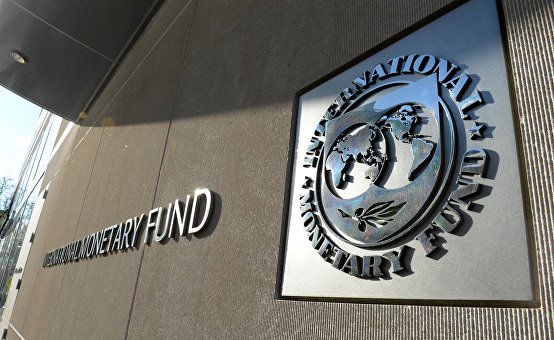
The International Monetary Fund (IMF) says Nigeria’s aggressive economic reforms have successfully restored macroeconomic stability and investor confidence, but they have also triggered a severe cost-of-living crisis that has pushed 63% of the population into poverty.
The Washington-based lender gave the position in its latest Article IV Consultation report sighted on Tuesday.
While praising the “bold” measures enacted by President Bola Tinubu’s administration, the IMF noted a staggering divergence between improved national indicators and the harsh realities of household life.
It said reforms implemented over the past three years have strengthened economic resilience, but cautioned that higher global fuel and food prices pose fresh risks to inflation and living standards.
“Strong reforms over the past three years have yielded improved macroeconomic outcomes and built resilience. Still, conditions for many Nigerians remain difficult.
“Poverty reached 63 percent (national poverty line) and 27 million Nigerians are estimated to have faced food insecurity in the fall of 2025,” the IMF said.
“Poverty has been ticking up in Africa’s most populous country for years, with the World Bank reporting last that about 61 percent of the country’s population lived in poverty, up from 40 percent in 2019.
“Three-quarters of the increase occurred before 2023, when Tinubu was sworn in, the World Bank noted at the time.
“Widespread insecurity from armed groups — especially in the north, where a large bulk of the country’s food is grown — is “another risk to people and economic activity,” it further noted.
According to the latest official figures, inflation accelerated to an annual rate of 15.7 percent in April, a five-month high.
Analysts attributed the increase partly to higher fuel prices linked to the ongoing war in the Middle East.
Economic growth is projected to reach 4.1 percent this year, after four percent in 2025.
The IMF warned that while higher costs of food, fertiliser and fuel could boost Nigeria’s revenues — the country is Africa’s largest oil producer — they could also intensify inflationary pressures on poor households, “potentially aggravating poverty and food insecurity”.
Full Details,Videos Here...

Dogs help uncover record haul of drugs hidden in lumber

Atiku mourns victims of Delta train accident

Bear that caused panic and school closures captured in Japan

Kebbi rolls out new investment reforms, executive orders

Trump blames Iran for downing US helicopter, vows to retaliate
Trump blames Iran for downing US helicopter, vows to retaliate

EFCC arraigns self-styled native doctor and wife for N1bn fraud in Ado-Ekiti

 National1 day ago
Exclusive: Inside Union Bank’s Boardroom Storm And Crumbling Bank, MD Yetunde Oni Acquires N1.9 Billion US Home Barely One year in Office
- Breaking3 days ago
Innocent people are being sacrificed on the altar of power – Actress Ini Edo speaks on the heightened insecurity in Nigeria
- World2 days ago
Russia burning as Ukraine launches massive attack with 'more than 50 explosions'
- Breaking3 days ago
Elon Musk could be the worldâs first trillionaire in weeks
- News3 days ago
MFM halts nationwide vigils over security concerns
- Breaking3 days ago
EXCLUSIVE: ADC woos Gawuna with Kano governorship ticket, campaign funding
- News3 days ago
West Ham co-chair David Sullivan resigns
- Breaking3 days ago
Astronauts told to shelter on spacecraft after air leaks are found on ISS