World
US courts hold Meta, YouTube liable for teen addiction; what it means for Big Tech

(Photo Credit : Reuters)
 1 / 10
Big Tech on Trial: Two back-to-back US court cases against Meta and YouTube have linked platform design to addiction among young users, marking a shift in how social media companies are held accountable, as courts are now examining whether platform features, not just user content, contribute to harm, a legal approach that could reshape liability rules for technology companies and redefine how internet platforms are regulated in the United States.
(Photo Credit : Reuters)
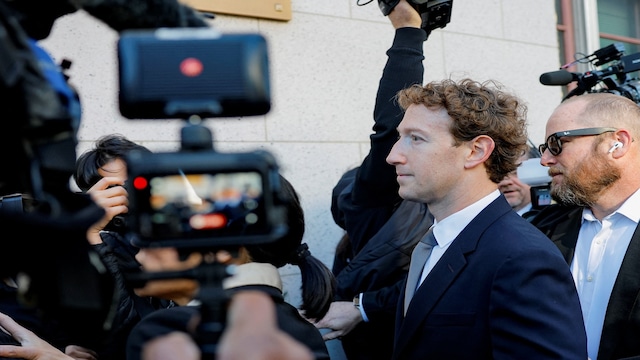
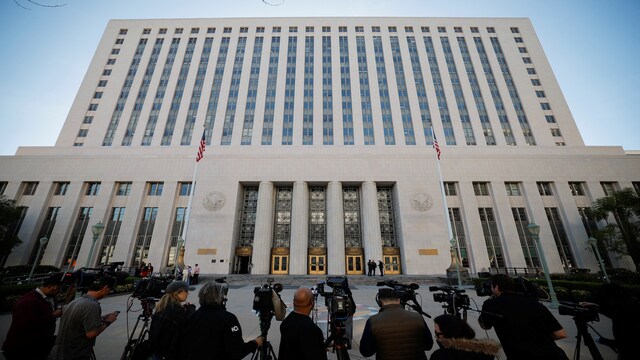
2 / 10Meta Verdict: In March 2026, a US jury found Meta liable for addiction-related harm in a lawsuit filed by families of minors, ruling that Instagram’s design features targeted young users and contributed to mental health harm, with the jury accepting that risks to minors were foreseeable, and the court ordered Meta to pay 375 million dollars in civil penalties in the first jury verdict of its kind.
(Photo Credit : Reuters)
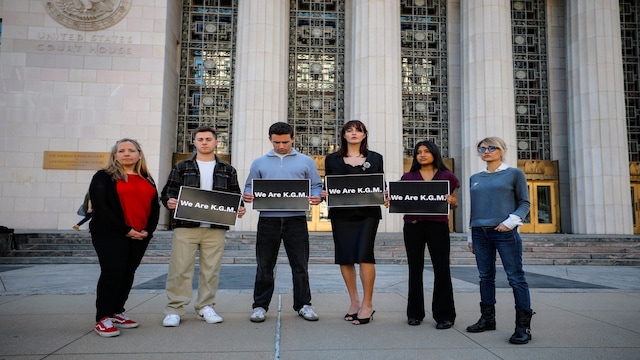
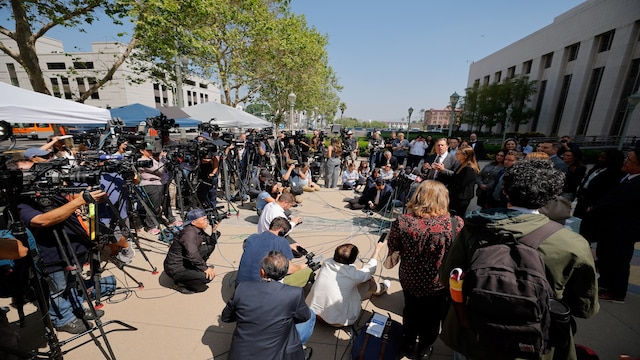
3 / 10KGM Case: In the Kaiser-Gonzalez-Mendoza litigation, families of children and teenagers sued Meta, YouTube and other platforms, arguing companies knowingly created addictive ecosystems that led to anxiety, depression and compulsive use, and the jury ruled in favour of the plaintiffs, awarding 3 million dollars in damages and 3 million dollars in punitive damages, with Meta held 70 percent responsible and Google 30 percent responsible.
(Photo Credit : Reuters)
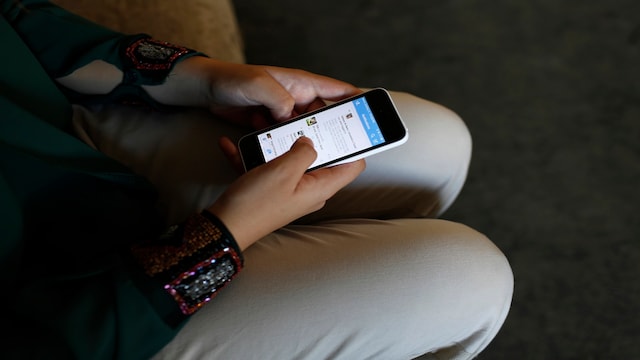
4 / 10Design Claims: Across both cases, plaintiffs argued addiction was driven by platform design features such as infinite scroll removing stopping cues, algorithms personalising and intensifying engagement, notifications designed to pull users back repeatedly, and autoplay features keeping users consuming content without intent, with lawsuits arguing social media addiction was engineered by platforms rather than occurring accidentally through user behaviour.
(Photo Credit : Reuters)
5 / 10Legal Breakthrough: The rulings represent a legal breakthrough because earlier cases against social media companies often failed due to Section 230, a US law that protects platforms from being treated as publishers of user content, as courts previously ruled that harm came from user-generated content, which shielded platforms from liability and prevented most lawsuits from succeeding.
(Photo Credit : Reuters)
6 / 10New Strategy: What is different in the recent cases is that lawsuits target product design instead of content, arguing harm comes from how platforms function rather than what users post, an approach that creates a pathway to hold platforms liable without overturning Section 230, potentially weakening one of the technology industry’s strongest legal protections.

(Photo Credit : Reuters)
7 / 10Growing Cases: Hundreds of similar lawsuits are now active across the United States, with school districts and state bodies joining legal action, and cases are increasingly being consolidated into large federal proceedings, as plaintiffs attempt to apply coordinated legal pressure on technology companies instead of filing isolated complaints in separate courts.

(Photo Credit : Generated image)
8 / 10Global Pressure: Governments are also increasing regulation, with the European Union’s Digital Services Act targeting algorithmic risk and transparency, the United Kingdom implementing the Online Safety Act for child protection, India expanding platform accountability under IT rules, and Australia debating age limits and stricter controls, showing regulation and litigation are advancing in parallel in many countries.
(Photo Credit : Reuters)
9 / 10Research Evidence: Studies cited in the cases show that teenagers using social media more than three hours daily face a higher risk of poor mental health, while many teens report spending several hours daily on platforms, and research has linked excessive social media use to sleep disruption, attention issues and anxiety, forming part of the evidence used to support legal arguments in court.
(Photo Credit : Reuters)
10 / 10What Next: Meta and Google are expected to appeal the rulings, and higher courts will determine how far platform liability can go, while more lawsuits are already in the pipeline, increasing legal pressure on the technology industry, as courts examine whether platforms that optimise for attention may now face legal risk for the social and mental health impact of their design systems.


Fresh k!llings: Suspend rhetoric and get to work – Atiku tells President Tinubu

Arsenal seek redemption against Sporting in Champions League first leg

Trump sparks calls to be removed from office after 'evil' Iran threat – 'Mad King'

One hospice doctor. One year. $71.7 million worth of Medicare claims.

Ranked: 10 tallest buildings in the world

'Iran will burn' – Middle East on brink as Trump threatens devastating strike

Why We Dismissed Soldier Who Told Politicians To Send Their Children To Battlefield – Army

 News1 year ago
Abiodun attracts battle line: Ogun gained’t cede Ode-Omi, Makun to Lagos, Ondo
- News1 year ago
Engr. Sheriff Daramola Elected as fifteenth President of IFMA Nigeria Chapter
- Business1 year ago
Marketsquare expands with two new shops in Lagos
- Business1 year ago
MTN implements 50% tariff hike, raises knowledge costs
- Business1 year ago
MDAs should prioritise capability constructing in public service reforms – BPSR DG
- Politics11 months ago
Yobe gov not becoming a member of coalition — Aide
- Business11 months ago
GTCO Shareholders Approve N8.03 Per Share Dividend Payout
- Business1 year ago
The Rabiu Impact: Why Energy and Status Patronize BUA Boss