World
West Asia war day 28 update: Israel hits Tehran after Iran attacks, Lebanon strikes and tax cuts worldwide

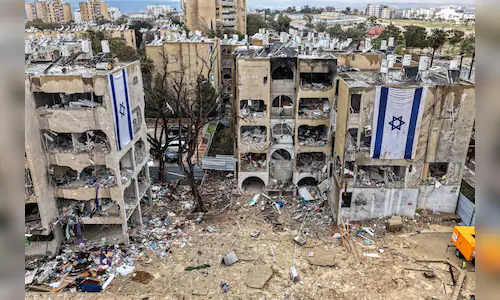
(Photo Credit : Reuters)
 1 / 14
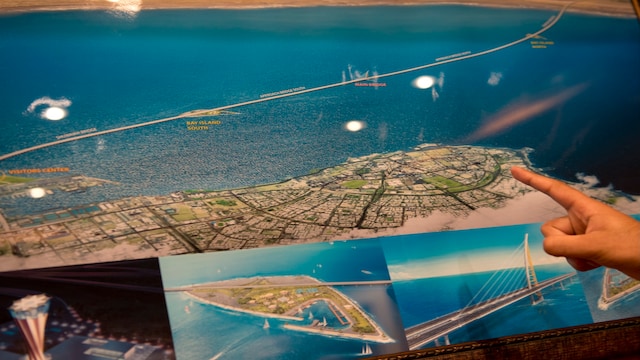
Hormuz Tensions: Iran’s Revolutionary Guards said the Strait of Hormuz is closed for shipping to and from what it called enemy ports and claimed three ships were turned back in the strategic waterway. The move could affect global oil shipments as the strait is one of the world’s most important energy routes connecting Gulf oil producers to international markets.
(Photo Credit : Reuters)
2 / 14Kuwait Port Hit: Kuwait said its main commercial port, Shuwaikh port, was damaged in a drone attack at dawn. The Kuwait port authority said enemy drones targeted the port, causing material damage but no human casualties. The attack marks an expansion of strikes on economic and logistics infrastructure in Gulf countries linked to the conflict.
(Photo Credit : Reuters)
3 / 14US Troop Warning: Iran’s military warned that hotels housing US soldiers across the region could become targets. Armed forces spokesman Abolfazl Shekarchi said any hotel where US forces stay would be considered an American military location. The warning suggests possible expansion of targets beyond military bases to locations used by US personnel in the region.
(Photo Credit : Reuters)
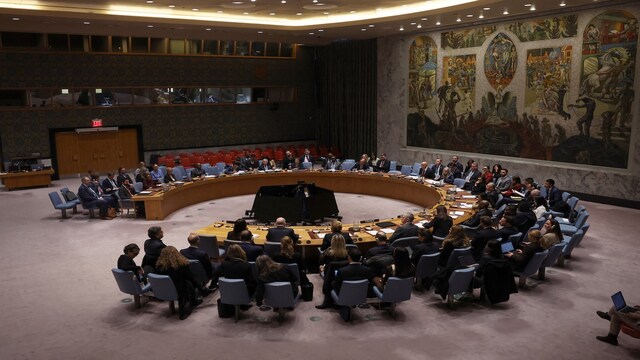
4 / 14Global Response: The UN Security Council will hold closed-door consultations on the strikes on Iran at Russia’s request. Saudi Arabia said it intercepted and destroyed four drones over its eastern region. US Secretary of State Marco Rubio arrived in France for a G7 meeting, where reopening the Strait of Hormuz is expected to be discussed. Japan also plans to allow full operation of older coal power plants for one year to manage energy shortages caused by the war.
(Photo Credit : Reuters)
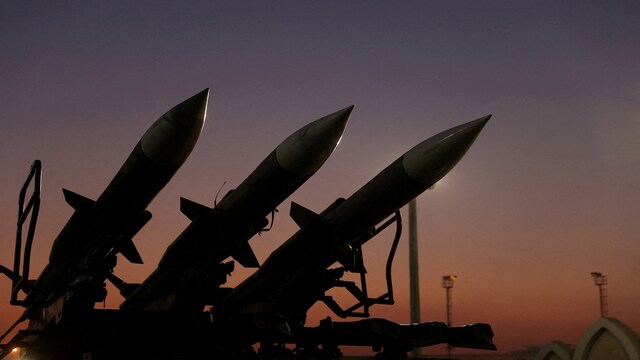
5 / 14Iran Attacks: Iran’s Revolutionary Guards said they carried out missile and drone attacks on Thursday. The targets included sites in Israel and Gulf military bases used by US forces. One of the reported targets was a Patriot air defence maintenance facility in Bahrain. The strikes signalled a wider regional dimension to the conflict involving US-linked military infrastructure.
(Photo Credit : Reuters)
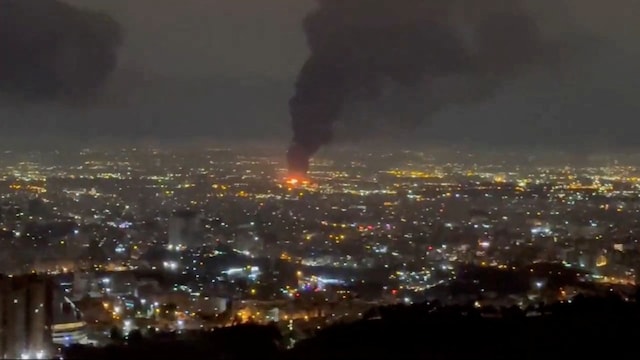
6 / 14Tehran Strikes: Israel said its military carried out a large wave of air strikes early Friday on infrastructure in central Tehran. The Israeli military said the targets were linked to the Iranian government. The strikes marked a direct attack on key infrastructure in Iran’s capital and indicated a further escalation between Israel and Iran.
(Photo Credit : Reuters)
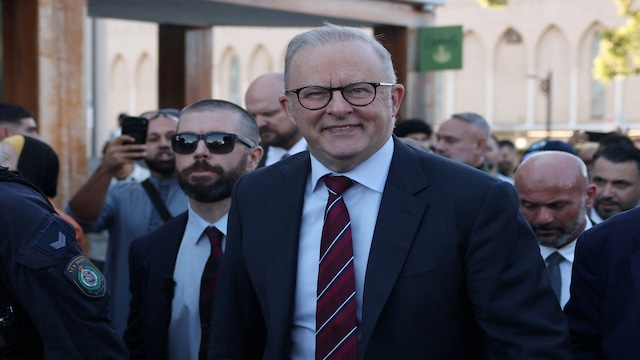
7 / 14Australia Support: Australian Prime Minister Anthony Albanese said Australia was not consulted before the war began, but is supporting Gulf allies. He said Australia has deployed a surveillance aircraft to help defend the United Arab Emirates. He also said Australia has not refused any requests for assistance related to the conflict.
(Photo Credit : Reuters)
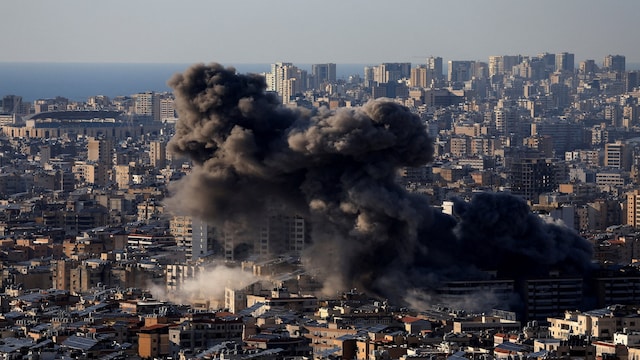
8 / 14Beirut Explosions: Israeli air strikes hit the southern suburbs of Beirut early Friday. Several explosions were heard in the area, which is known as a Hezbollah stronghold. Footage showed smoke rising from the suburbs after the strikes. The attacks come as fighting continues between Israel and Hezbollah across the Lebanon border.
(Photo Credit : Reuters)
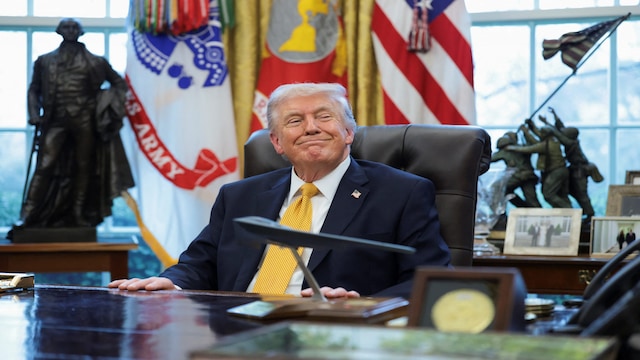
9 / 14Strike Deadline: US President Donald Trump has delayed possible strikes on Iranian power plants for 10 days, moving the deadline to April 6, 2026. He said talks with Iran are going very well despite reports suggesting otherwise. The delay indicates ongoing diplomatic talks alongside rising military tensions.
(Photo Credit : Reuters)
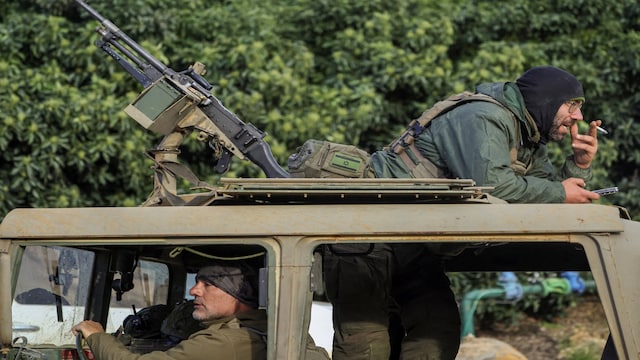
10 / 14More Troops: The Israeli military said it needs more soldiers for operations in southern Lebanon to create a buffer zone. Officials said the army is currently stretched across several fronts, including Gaza, Syria, and the West Bank. The statement shows pressure on Israeli forces due to multiple ongoing military operations.
(Photo Credit : Reuters)
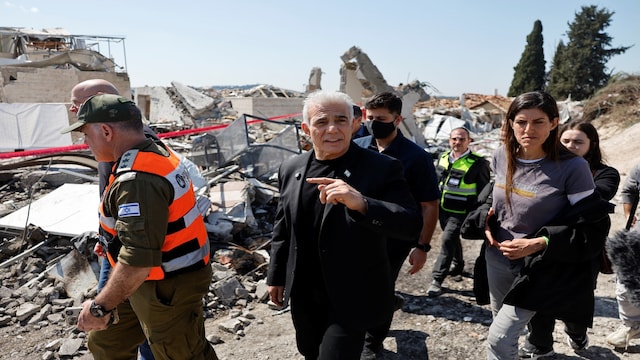
11 / 14Political Criticism: Israeli opposition leader Yair Lapid criticised the government, calling the situation a security disaster. He said the army is being pushed into a multi-front war without a clear strategy or enough soldiers. His comments reflect growing political criticism inside Israel over the handling of the war.
(Photo Credit : Reuters)
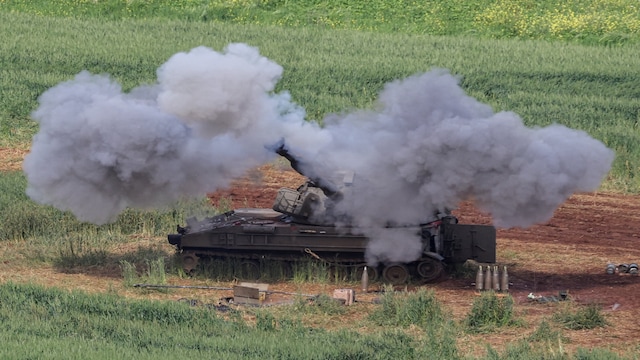
12 / 14Soldier Killed: The Israeli army said another soldier was killed in combat in southern Lebanon. This brings the total number of Israeli soldiers killed there to four since Hezbollah began retaliatory rocket attacks on March 2. Fighting continues along the Israel-Lebanon border with ongoing military exchanges.
(Photo Credit : Reuters)
13 / 14World Bank Aid: The World Bank said it is ready to provide large-scale financial assistance to emerging markets affected by the war. The support will focus on job recovery and economic growth. Several countries have already asked for help as the conflict begins to affect commodity prices and global supply chains.
(Photo Credit : Reuters)
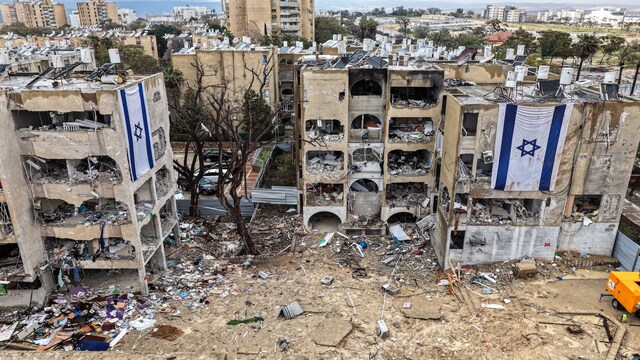
14 / 14Global Impact: The war is affecting the global economy and energy markets. India cut petrol excise duty to ₹3 per litre from ₹13 and diesel duty to zero from ₹10. Japan will allow older coal plants to run fully for one year. The WTO warned of major trade disruption, the OECD cut Eurozone growth forecasts, and countries including Spain, Poland, and South Korea announced tax cuts and emergency budgets.


Rapper Lil Nas X ordered to mental health diversion program after his arrest for ass@ult

Kano Assembly withdraws impeachment notice after deputy governor’s resignation

Insecurity: ‘Nigeria shall prevail,’ Shettima assures

Resident Doctors Suspend Strike After Deal With FG

Rapper Offset sh0t near Florida Casino

Olanipekun hails Oke at 70, describes him as legal icon
‘A Whole Civilization Will Die Tonight’ – Trump Issues Dire Message To Iran

 News1 year ago
Abiodun attracts battle line: Ogun gained’t cede Ode-Omi, Makun to Lagos, Ondo
- News1 year ago
Engr. Sheriff Daramola Elected as fifteenth President of IFMA Nigeria Chapter
- Business1 year ago
Marketsquare expands with two new shops in Lagos
- Business1 year ago
MTN implements 50% tariff hike, raises knowledge costs
- Business1 year ago
MDAs should prioritise capability constructing in public service reforms – BPSR DG
- Politics11 months ago
Yobe gov not becoming a member of coalition — Aide
- Business11 months ago
GTCO Shareholders Approve N8.03 Per Share Dividend Payout
- Business1 year ago
The Rabiu Impact: Why Energy and Status Patronize BUA Boss