Politics
8% of Nigerians living with diabetes – Health official

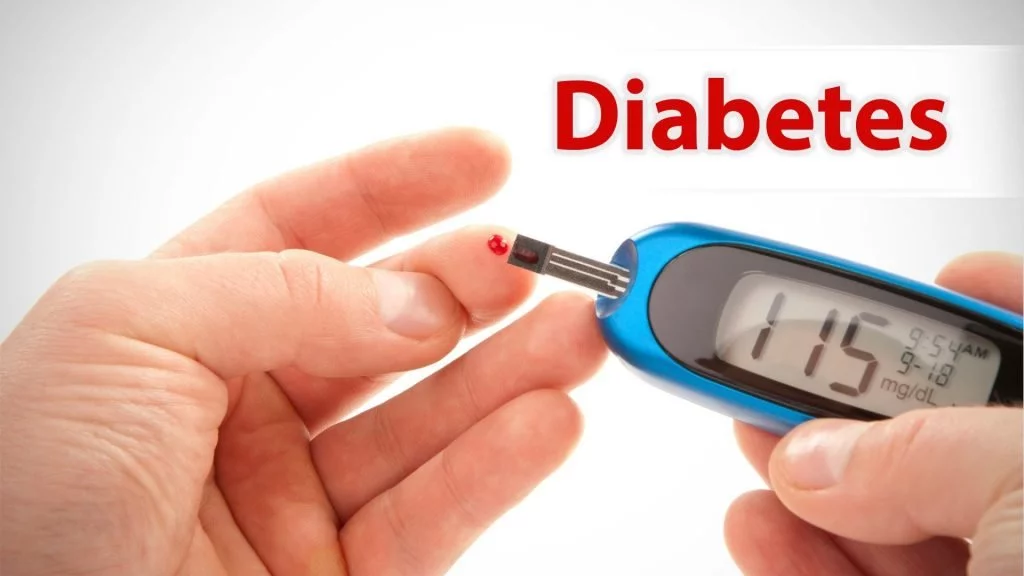
KARU (NASARAWA): About eight percent of Nigerians are currently living with diabetes, according to the Federal Ministry of Health and Social Welfare.
Dr Alayo Sopekan, National Coordinator of the Non-Communicable Diseases (NCD) Division of the ministry, disclosed this on Thursday in Mararaba, Nasarawa State, during an interview on the sidelines of a workshop on public financing and implementation of the NCD Multi-Sectoral Action Plan.
He added that 14 per cent of Nigerians are affected by hypertension, while about 25 per cent carry the sickle cell gene.
The workshop was organised by the Federal Ministry of Health and Social Welfare, the Legislative Initiative for Sustainable Development, and the Global Health Advocacy Incubator to strengthen response to non-communicable diseases nationwide.
Sopekan said the figures were based on a recent STEP survey on the burden and trends of non-communicable diseases, noting that many Nigerians remain unaware of their health status and require routine medical screening.
He said Nigeria’s response to NCDs is constrained by inadequate funding and limited partner support, despite the growing burden compared to communicable diseases that attract more resources and attention.
Although government is making efforts to fund interventions, he noted that financing remains low, stressing that early detection, prevention and management are critical to reducing complications and slowing disease progression nationwide.
He emphasised that preventive measures such as early screening and health education are the most effective, but require sustained funding, calling for increased allocation from taxes on alcohol, tobacco and beverages.
Also speaking, Mr Muntasir Liman said non-communicable diseases account for about 30 percent of deaths recorded annually across Nigeria.
He cited a 2023 national survey involving more than 24,000 adults, which revealed significant gaps in awareness, diagnosis, treatment and control of conditions such as diabetes, hypertension and cardiovascular diseases.
“Diabetes prevalence was 4.7 percent, with low awareness and management: only 24.6 per cent diagnosed, 22 percent on treatment, and 11 per cent achieved controlled blood glucose levels.
“Raised cholesterol affects 14.7 percent of adults, while 12.1 percent aged 40–69 face high cardiovascular risk, including existing disease or 10-year risk projections exceeding 20 percent.
“Hypertension affects 22.9 per cent of adults, yet only 32.5 per cent are aware, 17.9 percent on treatment, while just 6.4 percent achieve controlled blood pressure,” he said.
Liman identified challenges including weak health infrastructure, funding gaps, policy issues, task-sharing constraints and sociocultural factors, stressing the need to strengthen primary healthcare and expand workforce capacity nationwide.
“Nigeria needs strong action to prevent these diseases. People need healthier diets, exercise opportunities and support to quit smoking and reduce alcohol use for improved long-term health outcomes.
“Health services must improve screening and treatment for hypertension, diabetes and cholesterol. These steps will help Nigerians live healthier lives and reduce future disease burden significantly,” he added.
Prof. Alhassan Emmanuel of the Global Health Advocacy Incubator said non-communicable diseases account for about one-third of deaths, describing the trend as alarming.
“It is estimated that one-third of deaths are caused by NCDs; this figure used to be one-fifth. This is alarming, and funding for NCDs has remained very challenging,” he said.
He called for prioritisation of public health financing, while Mr Olympus Adebanjo of the Legislative Initiative for Sustainable Development and Mr Marcel Sati also urged improved collaboration and innovative funding strategies nationwide.


Trump slams MAGA allies Tucker Carlson, Megyn Kelly, Candace Owens

Ancient human populations disappeared 3,000 years ago in France: DNA study reveals Paris tomb mystery

Tinubu Mourns General Killed In Boko Haram Attack

Pakistan prepares to host US-Iran talks, as Lebanon fighting continues

Tunji Olaseinde launches Future Inc. to tackle Nigeria’s energy, security challenges

NATO jets scrambled AGAIN as Putin warned 'provocations don't go unanswered'
Kwara Community Cries Out As Kidnappers Demand ₦150 Million For Eight Church Members

 News1 year ago
Abiodun attracts battle line: Ogun gained’t cede Ode-Omi, Makun to Lagos, Ondo
- News1 year ago
Engr. Sheriff Daramola Elected as fifteenth President of IFMA Nigeria Chapter
- Business1 year ago
Marketsquare expands with two new shops in Lagos
- Business1 year ago
MTN implements 50% tariff hike, raises knowledge costs
- Business1 year ago
MDAs should prioritise capability constructing in public service reforms – BPSR DG
- Politics12 months ago
Yobe gov not becoming a member of coalition — Aide
- Business11 months ago
GTCO Shareholders Approve N8.03 Per Share Dividend Payout
- Business1 year ago
The Rabiu Impact: Why Energy and Status Patronize BUA Boss