News
Five things to know about US-Iran talks in Pakistan

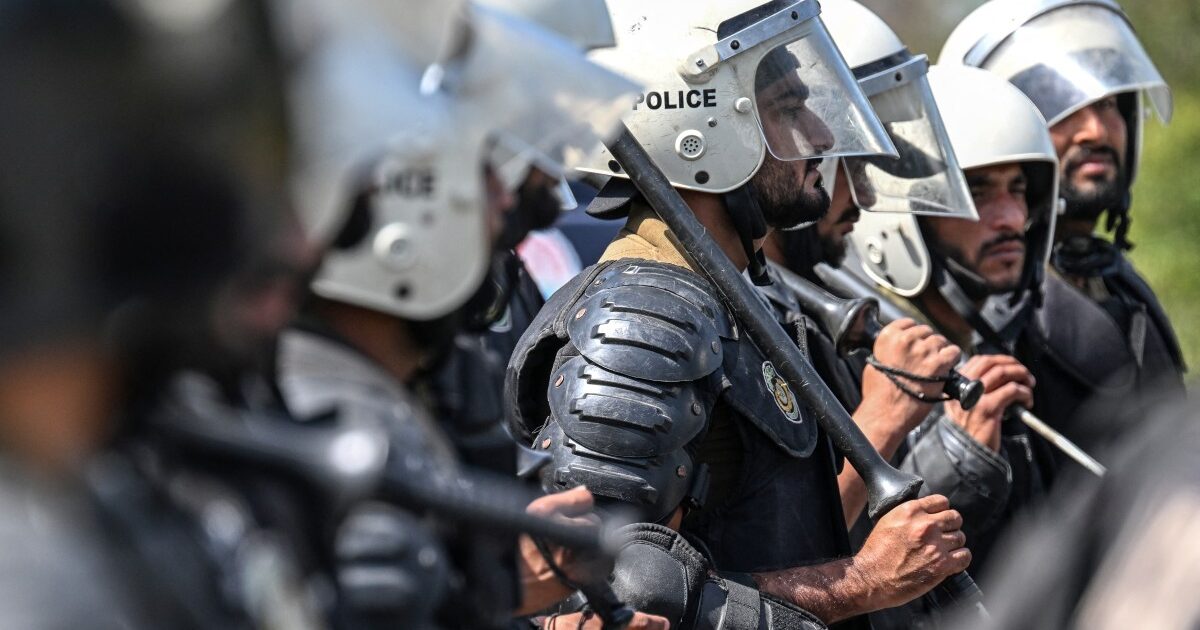
The United States and Iran are holding their highest-level talks in years in Islamabad in a Pakistan-brokered bid to turn a fragile two-week ceasefire into a lasting end to a war that has roiled global energy markets.
Here are five things to know about the Islamabad talks:
– The war behind the talks –
On February 28, the US and Israel launched coordinated strikes that killed Supreme Leader Ali Khamenei and struck Iran’s military and nuclear infrastructure, killing more than 2,000 people in five weeks.
Tehran responded by effectively closing the Strait of Hormuz, through which about a fifth of global oil and gas passes, sending energy prices soaring and disrupting trade worldwide.
On April 8, the US and Iran agreed to a two-week ceasefire brokered by Pakistan. Iran’s Supreme National Security Council said the talks could continue for up to 15 days. The ceasefire is expected to expire on April 22.
– Pakistan’s unlikely starring role –
Pakistan, a nation more frequently making international headlines for its militancy and shaky economy, is hosting the first negotiations between Washington and Tehran since the war began, a stunning pivot for a country long viewed through the lens of deep security concerns.
The country does not typically host talks of this scale.
Pakistan’s value as a mediator rests on an unusually broad diplomatic network.
Iran was the first country to recognise Pakistan following independence in 1947, with the two neighbours sharing a 900-kilometre (560-mile) border and deep historical, cultural and religious ties. Pakistan is also home to over 20 million Shia Muslims: the second-largest such population in the world after Iran.
At the same time, Islamabad has cultivated strong ties with Washington, Riyadh and Beijing.
Pakistani Foreign Minister Ishaq Dar visited Beijing at the end of March for talks with Wang Yi, who backed Islamabad’s mediation efforts as “in keeping with the common interests of all parties”.
Trump himself told AFP that China helped bring Iran to the negotiating table, an account backed by Pakistani officials.
“On ceasefire night, hopes were fading, but China stepped in and convinced Iran to agree to a preliminary ceasefire,” a senior Pakistani official familiar with the negotiations told AFP on condition of anonymity.
“While our efforts were central, we were falling short of a breakthrough, which was ultimately achieved after Beijing persuaded the Iranians.”
– What’s on the table? –
The gap between the two sides remains vast.
Washington’s reported 15-point proposal centres on Iran’s enriched uranium, ballistic missiles, sanctions relief and the reopening of the Strait of Hormuz. Tehran has countered with a 10-point plan demanding control over the strait, a toll for vessels crossing the strait, an end to all regional military operations and the lifting of all sanctions.
Lebanon is also a major sticking point. Israel continued its strikes in the country targeting Hezbollah — after the ceasefire came into force — with Israeli Prime Minister Benjamin Netanyahu rejecting Prime Minister Shehbaz Sharif’s assertion that the truce included Lebanon.
US Vice President JD Vance appeared to take a softer tone, saying there may have been a “legitimate misunderstanding” from Iran that Lebanon would be included.
Iran’s President Masoud Pezeshkian warned on X that Israel’s strikes on Lebanon rendered the negotiations “meaningless”. “Our hands remain on the trigger. Iran will never forsake its Lebanese brothers and sisters.
– Who are the negotiators? –
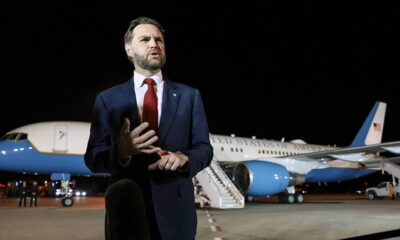
Vance will lead the American team, joined by special envoy Steve Witkoff and presidential son-in-law Jared Kushner.
It marks the most senior US engagement with Iran since Secretary of State John Kerry negotiated the 2015 nuclear deal. Witkoff held multiple rounds of Oman-mediated talks with Iranian Foreign Minister Abbas Araghchi before the war cut the process short.
Iran’s parliament speaker Mohammad Bagher Ghalibaf and Araghchi are expected to lead the Iranian delegation.
Ghalibaf is a former IRGC commander, and it remains unclear whether any active IRGC representative will attend.
– Islamabad on lockdown –
The talks are being held in the Pakistani capital, Islamabad.
The government has kept its cards close to its chest, without confirming the venue. Pakistan’s leader Sharif had said the talks would take place on Friday, while the White House said the first round would begin on Saturday.
The Serena Hotel, located next to the foreign ministry in the capital’s high-security Red Zone, asked its guests to clear out on Wednesday, and that same day authorities in the capital announced a two-day public holiday on Thursday and Friday.
The talks themselves are expected to be indirect: the two delegations sitting in separate rooms with Pakistani officials shuttling proposals between them, mirroring the format used in earlier Oman-mediated rounds.
Outside, the streets of Islamabad are flooded with armed security personnel in military fatigues, traffic diversions and police checkpoints. The capital, already a quiet city, was even quieter on Friday.
AFP





E-invoicing forces Nigerian firms into real-time transparency

JD Vance flies to Pakistan for talks with Iran

President Trump tells his vice JD Vance to find a way out of Iran war as he prepares to fly to Pakistan for peace talks
JD Vance flies to Pakistan for talks with Iran

Trump says US has ‘won’ war with Iran, but fighting continues

Artemis astronauts describe lunar voyage as surreal ahead of Earth return

Melania Trump blasts ‘lies’ linking her to Epstein

 News1 year ago
Abiodun attracts battle line: Ogun gained’t cede Ode-Omi, Makun to Lagos, Ondo
- News1 year ago
Engr. Sheriff Daramola Elected as fifteenth President of IFMA Nigeria Chapter
- Business1 year ago
Marketsquare expands with two new shops in Lagos
- Business1 year ago
MTN implements 50% tariff hike, raises knowledge costs
- Business1 year ago
MDAs should prioritise capability constructing in public service reforms – BPSR DG
- Politics12 months ago
Yobe gov not becoming a member of coalition — Aide
- Business11 months ago
GTCO Shareholders Approve N8.03 Per Share Dividend Payout
- Business1 year ago
The Rabiu Impact: Why Energy and Status Patronize BUA Boss