World
Here's what the hurricane categories mean

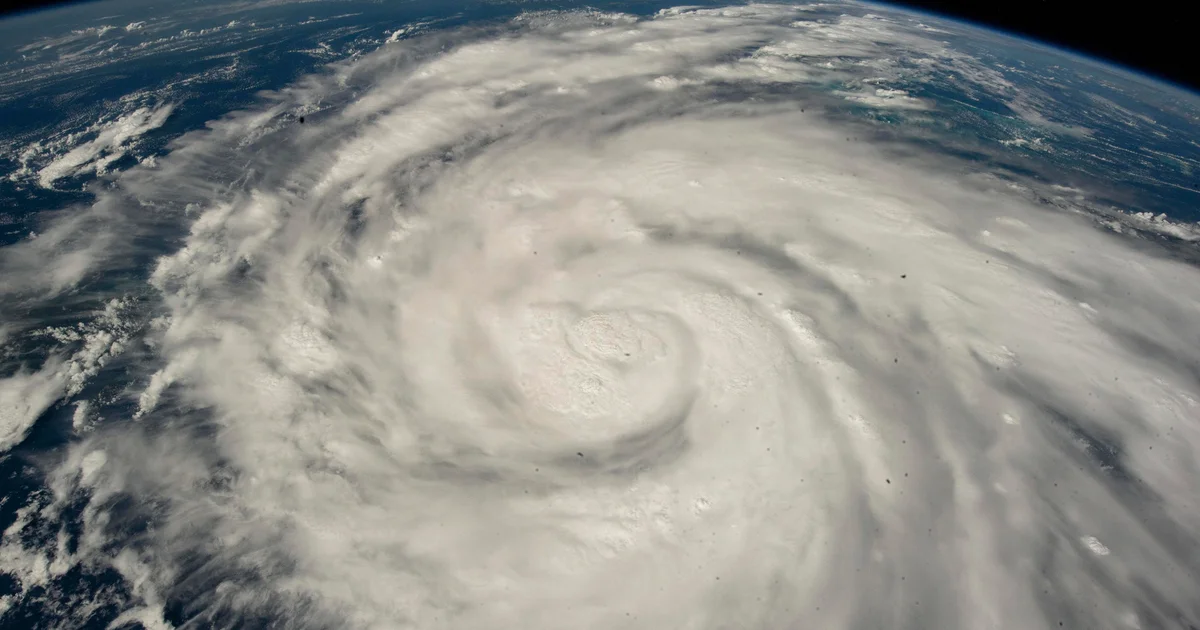
The Atlantic hurricane season begins on June 1 and runs through Nov. 30. Hurricanes are rated on the Saffir-Simpson Hurricane Wind Scale, which includes five categories based on the storm’s sustained wind speeds. It also estimates possible damage to property, ranging from “some damage” to “catastrophic.”
The first hurricane of the 2025 Atlantic season, Hurricane Erin, rapidly intensified to a fierce Category 5 on Aug. 16 before weakening as it moved northward. It did not make direct landfall but caused dangerous waves and rip currents.
If a storm is a Category 3, 4 or 5, it is deemed a “major” hurricane due to the potential for “significant loss of life and damage,” the National Hurricane Center says. Hurricanes that fall into categories 1 or 2 are still considered dangerous, the center says.
Here is how the scale breaks down, according to the National Hurricane Center, starting with a look at the most powerful:
Sustained wind speed of 157 mph or higher
Sustained wind speed of 130-156 mph
Sustained wind speed of 111-129 mph
Sustained wind speed of 96-110 mph
Sustained wind speed of 74-95 mph
In the midst of an unusually ferocious string of hurricanes in 2017, there was some speculation about whether storms could hit a Category 6. There is officially no such thing as a Category 6 hurricane. But the idea of revising or adding to the scale has been discussed by some climate scientists who believe the current categories may not be adequate for increasingly extreme storms in the future.
Hurricane Katrina, in 2005, reached Category 5 over the Gulf of Mexico but made landfall as a Category 3 storm, ultimately flooding more than 80% of New Orleans and killing more than 1,200 people — making it one of the deadliest hurricanes to strike the U.S. It is one of the costliest hurricanes in U.S. history, doing more than $75 billion in damage. Louisiana, Mississippi, Alabama and Florida all saw destruction from Katrina.
Hurricane Ian was a strong Category 4 as it made landfall on Florida’s west coast in 2022. The deadly storm knocked out power to millions. Experts said the storm’s rapid intensification, thanks to warm sea temperatures — and warming seas are linked to climate change, which will likely not only make strong hurricanes occur more frequently, make storms move more slowly and allow them to hold more water, leading to more rain.
In the midst of an unusually ferocious string of hurricanes in 2017, there was some speculation about whether storms could hit a Category 6. There is officially no such thing as a Category 6 hurricane. But the idea of revising or adding to the scale has been discussed by some climate scientists who believe the current categories may not be adequate for increasingly extreme storms in the future.


Turkey puts 11 on trial for LGBT ‘obscenity’

Bandits k!ll two police officers, cart away weapons in Katsina ambush

Turaki-led PDP in closed-door meeting with Mark’s ADC in Abuja

Join APC, Yilwatda pleads with Shekarau as party woos northern voters

NASS Petroleum committees dismiss petitions, back pipeline surveillance contract

Yobe varsity explains viral photo of students sleeping outdoors

UBA’s Chioma Mang, Michelle Nwoga Get Special Recognition Awards at 2026 Guardian Woman Festival

 News1 year ago
Abiodun attracts battle line: Ogun gained’t cede Ode-Omi, Makun to Lagos, Ondo
- News1 year ago
Engr. Sheriff Daramola Elected as fifteenth President of IFMA Nigeria Chapter
- Business1 year ago
Marketsquare expands with two new shops in Lagos
- Business1 year ago
MTN implements 50% tariff hike, raises knowledge costs
- Business1 year ago
MDAs should prioritise capability constructing in public service reforms – BPSR DG
- Politics12 months ago
Yobe gov not becoming a member of coalition — Aide
- Business11 months ago
GTCO Shareholders Approve N8.03 Per Share Dividend Payout
- Business1 year ago
The Rabiu Impact: Why Energy and Status Patronize BUA Boss