World
Iran economy meltdown as war sends currency plunging to record low

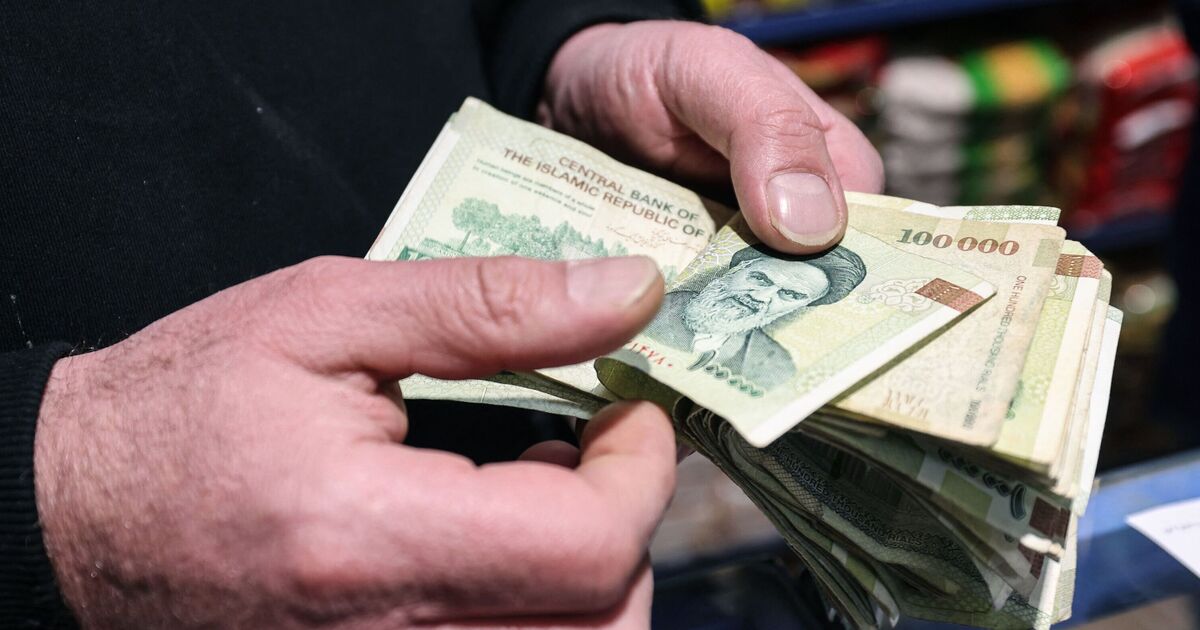
Iran’s national rial currency plunged to a record low on Wednesday against the dollar as a shaky ceasefire with the US and Israel hangs in the balance.
The rial had remained stable in the early weeks of the war that began two months ago on February 28, in part because there was little trading or imports. However, the rial has started to slide rapidly in recent days, and on Wednesday was 1.8 million to the dollar. The latest slide of Iran’s currency comes months after a currency shock helped fuel nationwide protests in January. At the time, the rial weakened from about 1.4 million to 1.6 million to the dollar in less than a week, deepening public anger over rising prices and fears about the country’s economic future. Experts have warned the currency’s fall is likely to further fuel inflation in a country where many imported goods, from food and medicine to electronics and raw materials, are affected by the dollar rate.
A US naval blockade in the Strait of Hormuz during the ceasefire has significantly ramped up pressure on Iran’s already battered economy, cutting into a key source of government revenue and hard currency by stopping or intercepting oil shipments.
Iran’s economy has faced decades of sanctions, chronic inflation and a widening gap between official and open-market exchange rates.
The US President has rejected Iran’s proposal to reopen the Strait of Hormuz, arguing that Tehran’s offer avoided the core issue of its nuclear programme.
He told Axios: “The blockade is somewhat more effective than the bombing.
“They are choking like a stuffed pig. And it is going to be worse for them. They can’t have a nuclear weapon.”
In an fiery Truth Social tirade against the regime earlier today, Trump wrote: “Iran can’t get their act together. They don’t know how to sign a nonnuclear deal. They better get smart soon!”


Charles and Camilla express ‘enduring solidarity’ amid visit to 9/11 memorial

3 governors to inaugurate multi-billion naira projects in Katsina

Court stops INEC from recognising ADC congresses

Nigel Farage referred to standards watchdog over failure to declare £5m gift
4,300-year-old gold-covered mummy found sealed in deep Egyptian shaft, shocks archaeologists

Arson attacks on Starmer property plotted by Russian-speaking ‘El Money’ – court
Arson attacks on Starmer property plotted by Russian-speaking ‘El Money’ – court

 Breaking2 days ago
Man falls asleep after r@ping 89-year-old woman in South Africa
- World3 days ago
Alleged gunman wrote that he expected more security at White House Correspondents' Dinner
- World2 days ago
Trump humiliated as major NATO leader tears apart US plan in Iran war
- World2 days ago
Adult content creator accused of using 5-year-old girl to attract men for cash
- News1 day ago
UCL: Arsenal receive double injury boost ahead Atletico Madrid semi-final
- World2 days ago
Trump dinner shooting suspect charged with attempted assassination of president
- Breaking2 days ago
CCTV footage shows final moments of 22-year-old Kenyan student before she fell to her d3ath from sixth floor of apartment
- World8 hours ago
Trump and Iran issue fresh warnings as standoff continues