World
Iran US ceasefire: 7 things you need to know as Trump hails 'big day for world peace'

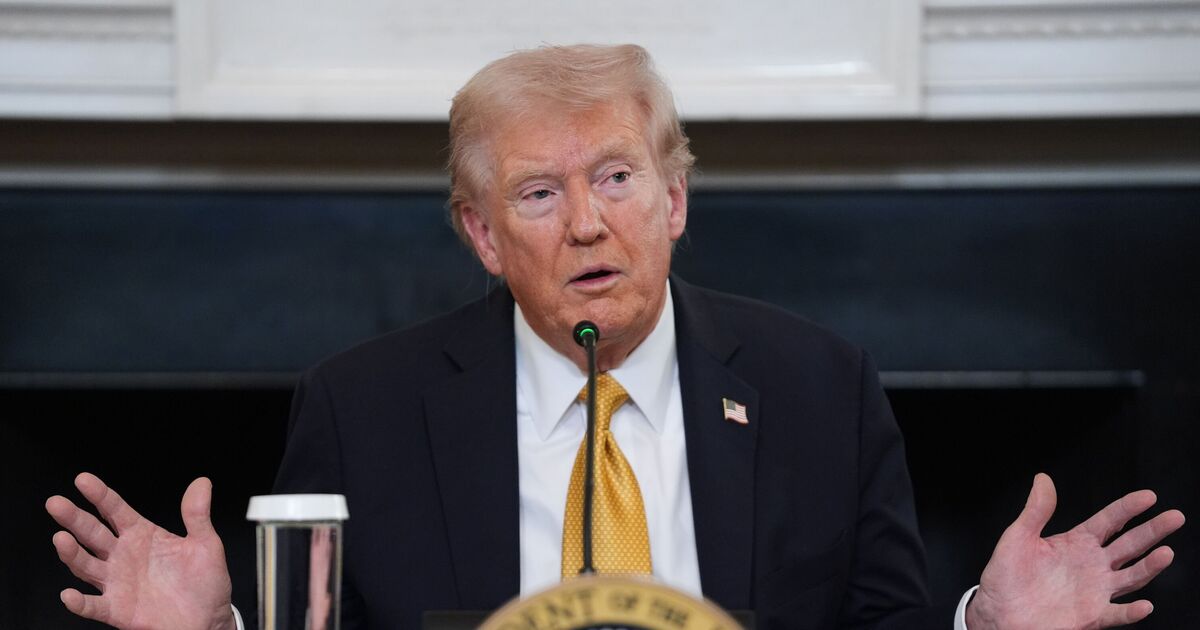
Donald Trump hailed a “big day for world peace” after the United States and Iran agreed to a dramatic last-minute ceasefire deal, just minutes before a chilling deadline for major military action was due to expire. The agreement, which Trump described as “workable”, has raised hopes of avoiding a wider conflict across the Middle East after weeks of escalating tensions, missile exchanges and fears of attacks on key oil routes.
However, while the two-week ceasefire has brought some relief, there are still major questions over whether it will hold, what it means for the Strait of Hormuz and whether sanctions on Iran could eventually be lifted. There is also growing pressure from allies in Europe and the Gulf for the agreement to be turned into a longer-term diplomatic settlement to avoid another crisis erupting within weeks. But experts have warned that any further attacks by proxy groups or clashes at sea could quickly threaten the fragile truce and plunge the region back into turmoil.
Here is everything you need to know about the ceasefire deal and the key issues that could decide whether it lasts.
Ceasefire made minutes before chilling deadline
- President Trump agreed to a two-week ceasefire with Iran just ahead of his deadline for major military action, describing Tehran’s proposal as “workable”. The agreement was announced only minutes before the deadline expired. However, Iranian state television mocked the move as a “humiliating retreat”, claiming Washington had backed down after weeks of threats.
Iran agreed to “open” the Strait only if attacks are halted
- Iran agreed to allow safe passage through the Strait of Hormuz as part of the ceasefire deal, but only if attacks against the country are halted. The vital shipping route is one of the world’s busiest oil corridors, with around a fifth of global oil supplies passing through it each day.
Oil prices plunged after announcement
- Oil prices plunged after the ceasefire announcement eased fears of a major disruption to global energy supplies. Brent crude dropped by more than 13% to around 94.50 dollars a barrel, while US-traded oil also fell sharply after previously surging above 100 dollars.
Gulf attacks still continue
- Despite the ceasefire agreement, missile strikes and drone attacks continued across parts of the Gulf. The UAE said it was intercepting incoming missiles and drones, Bahrain reported a fire after an Iranian strike on a facility, and Saudi Arabia said it had shot down five ballistic missiles aimed at its eastern region.
Ceasefire does not apply to Lebanon
- Israel warned the ceasefire does not apply to Lebanon, raising fears that fighting with Hezbollah could continue despite the wider agreement. Lebanon’s Crisis Management Unit urged displaced people not to head south after some wrongly believed the truce also covered the conflict along the Israeli-Lebanese border.
Lifting of sanctions – one of the toughest issues in the talks
- The lifting of all primary and secondary sanctions on Iran has been one of Tehran’s main demands. Primary sanctions stop US companies from doing business with Iran, while secondary sanctions punish foreign firms and banks that trade with Tehran. If lifted, Iran could sell more oil, access global banking systems and increase trade. However, sanctions are one of Washington’s main sources of pressure, making this likely to be one of the toughest issues in the talks.
The release of frozen Iranian assets
The coming days will be crucial in determining whether the ceasefire can survive beyond its fragile early stages.
While the agreement has eased fears of an immediate escalation between the US and Iran, major disagreements remain over sanctions, frozen assets and the future of regional security.
Continued attacks in parts of the Gulf and ongoing tensions involving Hezbollah have also raised doubts over how far the truce really extends.
Any further strikes or breakdown in talks could quickly push the region back towards conflict.


Atiku Joins ADC Protest In Abuja (Video)

ADC Crisis: ‘No cause for alarm,’ David Mark tells Nigerians

Trump-Iran ceasefire 'collapses' as UAE, and Bahrain attacked and oil refinery targeted

Bandits k!ll Abuja businessman and his 19-year-old daughter despite N12m ransom payment

Huge blow for shameless Putin after Russia lures war recruits from 36 African countries

Man d!es after cannon malfunctions and hits him during Passion of Christ rehearsal in Cross River
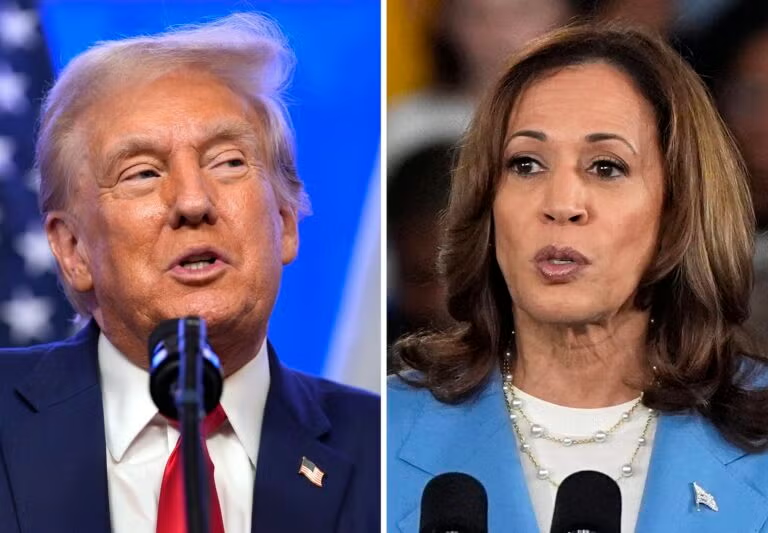
The United States is threatening to commit war crimes – Kamala Harris calls out President Trump over Iran threat

 News1 year ago
Abiodun attracts battle line: Ogun gained’t cede Ode-Omi, Makun to Lagos, Ondo
- News1 year ago
Engr. Sheriff Daramola Elected as fifteenth President of IFMA Nigeria Chapter
- Business1 year ago
Marketsquare expands with two new shops in Lagos
- Business1 year ago
MTN implements 50% tariff hike, raises knowledge costs
- Business1 year ago
MDAs should prioritise capability constructing in public service reforms – BPSR DG
- Politics12 months ago
Yobe gov not becoming a member of coalition — Aide
- Business11 months ago
GTCO Shareholders Approve N8.03 Per Share Dividend Payout
- Business1 year ago
The Rabiu Impact: Why Energy and Status Patronize BUA Boss