News
Lenacapavir Offers Hope To HIV Patients

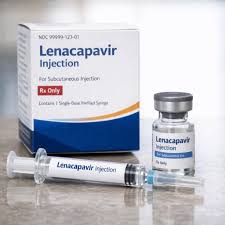
An injectable treatment for HIV, known as lenacapavir, has been introduced in Nigeria to offer hope to HIV patientsNigeria is tackling one of the most stubborn public health challenges of our time with the introduction of a six-month injectable drug. Known as Lenacapavir, it has already given our health authorities the confidence to predict the end of AIDS in Nigeria by 2030.
For decades, the management of HIV has depended largely on strict daily adherence to antiretroviral therapy—a regimen that, while effective, is often burdened by stigma, forgetfulness, limited access and systemic healthcare gaps. This new development offers not just medical advancement, but a profound shift in how care can be delivered and experienced.
At its core, the six-month injection represents convenience, dignity, and hope. For many patients, especially those in rural or under-served communities, the need to take daily medication or frequently visit health facilities has been a significant barrier to consistent treatment.
Reducing the frequency of therapy to just twice a year may increase adherence rates, improve the sustainability of viral suppression, and greatly reduce the danger of transmission. In terms of public health, this is a possible game-changer rather than just an innovation.
The injection may help address the persistent stigma associated with HIV in addition to its therapeutic advantages.
Daily tablets frequently act as a visual reminder of one’s position, which occasionally exposes people to prejudice in communities, companies, and families. Patients can live more freely and confidently thanks to a long-acting, covert injectable that lessens this visibility. Such discretion is crucial in a society where stigma continues to be a significant barrier to testing and treatment. But optimism needs to be balanced with realism. Availability, fair access, affordability, and effective distribution will all be critical to the initiative’s success. Nigeria’s healthcare system, which is already burdened by a lack of finance, inadequate infrastructure, and a growing skills vacuum due to physician emigration, needs to step up. Policy makers must ensure that this breakthrough does not become an urban luxury while rural populations are left behind. Cold chain logistics, trained personnel, and sustained funding will be critical in translating promise into impact. Furthermore, public awareness campaigns must accompany this roll-out.
Misconceptions, fears, and cultural resistance could undermine acceptance if not proactively addressed. Communities need to understand not only the safety and efficacy of the injection but also its role in improving quality of life.
In essence, the six-month HIV injection is more than a medical intervention—it is a symbol of progress, resilience, and the possibilities of modern science when aligned with public health priorities.
It might completely transform HIV care in Nigeria if it is done with inclusivity and foresight and serve as a model for other nations grappling with similar challenges. Nigeria now stands at a crossroads: to merely introduce innovation, or to ensure it transforms lives.
The program’s implementation will make a difference.






'Hinduism is demonic': Far-right influencers face massive trolling online for comments on Hindus in viral clip

Expert urges African govts to demand cleaner, better mining deals

Residents flee Kwara community as terrorists abduct 8 worshippers

'Our priorities are democracy & peace': Myanmar's new President Min Aung Hlaing vows ASEAN normalcy

42 Years Old Married Lady Recently Declared Missing Found With a Man Inside Ondo Hotel Room

Help me find my mother – Nigerian lady in search of her mother who relocated abroad when she was four and has not been in touch since then

Nigeria’s $200bn mega rail project faces feasibility review

 News1 year ago
Abiodun attracts battle line: Ogun gained’t cede Ode-Omi, Makun to Lagos, Ondo
- News1 year ago
Engr. Sheriff Daramola Elected as fifteenth President of IFMA Nigeria Chapter
- Business1 year ago
Marketsquare expands with two new shops in Lagos
- Business1 year ago
MTN implements 50% tariff hike, raises knowledge costs
- Business1 year ago
MDAs should prioritise capability constructing in public service reforms – BPSR DG
- Politics12 months ago
Yobe gov not becoming a member of coalition — Aide
- Business1 year ago
The Rabiu Impact: Why Energy and Status Patronize BUA Boss
- Business11 months ago
GTCO Shareholders Approve N8.03 Per Share Dividend Payout