Business
Nigeria faces airspace risk as radar systems weaken

There are growing fears within Nigeria’s aviation sector as the Nigerian Airspace Management Agency warns that the country could soon lose its ability to effectively monitor aircraft within its airspace due to ageing radar infrastructure.
For air traffic controllers who rely daily on the Total Radar Coverage of Nigeria system, the complaints are becoming more resounding.
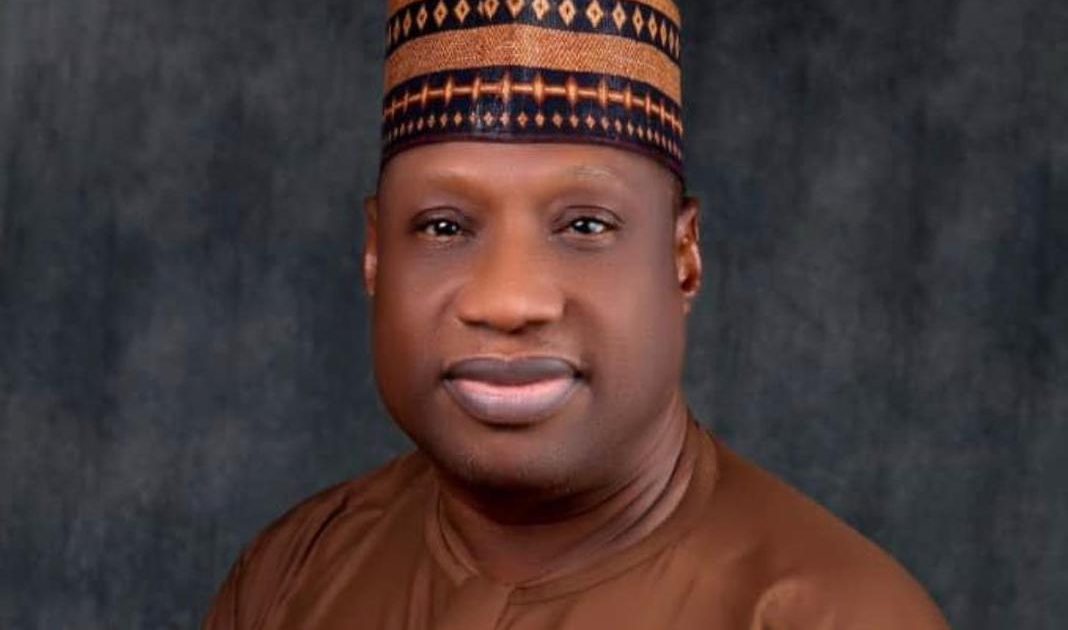
Managing Director of NAMA, Farouk Umar, while playing host to the Permanent Secretary of the Ministry of Aviation and Aerospace Development, Mahmoud Kambari, described the current situation of the TRACON as terrible.
He said, “Our area of urgent attention includes the air traffic surveillance service. The TRACON system has aged. Components are becoming obsolete with no spare parts, and most parts are working without backup. The airspace is at risk of losing surveillance service.”
The PidomNigeria gathered that the multi-billion-naira TRACON project was commissioned in 2001 to provide comprehensive radar coverage across Nigeria. For years, it served as the backbone of air traffic monitoring, helping controllers track aircraft in real time.
TRACON, considered the backbone of air surveillance, is now said to have weakened. According to Umar, although the system’s deployment began in 2008 and was completed in 2010, its effective lifespan has long exceeded.
He explained that, “The lifespan of this kind of high-tech equipment is about ten years. Since 2014, the technology has been going out of fashion globally, with many countries migrating to more advanced systems.”
He, however, lamented that the implications are far-reaching. “Without a reliable surveillance system, maintaining safe distances between aircraft becomes more difficult, increasing risks in an already complex aviation environment. Nigeria could also struggle to meet international standards. Providing air navigation services in line with ICAO requirements might become a challenge if urgent steps are not taken,” he said.
Beyond the technical issues, Umar said the agency is battling financial constraints that further complicate efforts to upgrade critical systems. While also speaking on the burden of a 30 per cent Federal Government deduction from NAMA’s internally generated revenue, Umar insisted that, “This deduction is affecting our ability to meet critical obligations.”
He added that the rising cost of operations, especially fuel for power generation, has become a major strain. “Revenue challenges persist as well. Since 2008, we have been charging N11,000 per aircraft for each flight. That amount is no longer realistic, yet we face resistance every time we propose an increase. We must sustain our equipment, and that requires funding,” the NAMA boss lamented.
He also noted manpower shortages and limited training opportunities for staff as factors that could further weaken the system if not addressed. He further hinted that increasing debts owed by airlines and state airports continue to erode the agency’s financial stability.
Responding, Kambari acknowledged the urgency of the concerns and pledged support, saying, “We will continue to work closely with all agencies to ensure they succeed. Nigeria’s aviation industry must remain a key economic driver and a hub of global connectivity.”
Kambari emphasised the importance of collaboration and leadership in navigating the crisis. He promised, “We are committed to aligning our aviation sector with international standards. But that requires a united effort, investment in infrastructure, and attention to the welfare of the workforce.”


“Low IQs”: President slams Candace Owens, Tucker Carlson and other podcasters, calls them losers chasing cheap publicity

‘10 mins in Jos, zero hours in Lagos’, Atiku faults Tinubu’s ‘absentee governance’

Nomba, Globus Bank report low loan default

M-East crisis: Calls grow for inclusion of Lebanon in peace deal

FG moves to resolve gas shortages

Nigeria’s poverty rate climbs to 63% despite easing inflation — World Bank

EFCC appeals Omatsuli, firms’ acquittal over alleged N3.6bn money laundering

 News1 year ago
Abiodun attracts battle line: Ogun gained’t cede Ode-Omi, Makun to Lagos, Ondo
- News1 year ago
Engr. Sheriff Daramola Elected as fifteenth President of IFMA Nigeria Chapter
- Business1 year ago
Marketsquare expands with two new shops in Lagos
- Business1 year ago
MTN implements 50% tariff hike, raises knowledge costs
- Business1 year ago
MDAs should prioritise capability constructing in public service reforms – BPSR DG
- Politics12 months ago
Yobe gov not becoming a member of coalition — Aide
- Business1 year ago
The Rabiu Impact: Why Energy and Status Patronize BUA Boss
- Business11 months ago
GTCO Shareholders Approve N8.03 Per Share Dividend Payout