News
Nigeria Records 1,085% surge in export trade — Klinke, APMT CEO

By Godwin Oritse
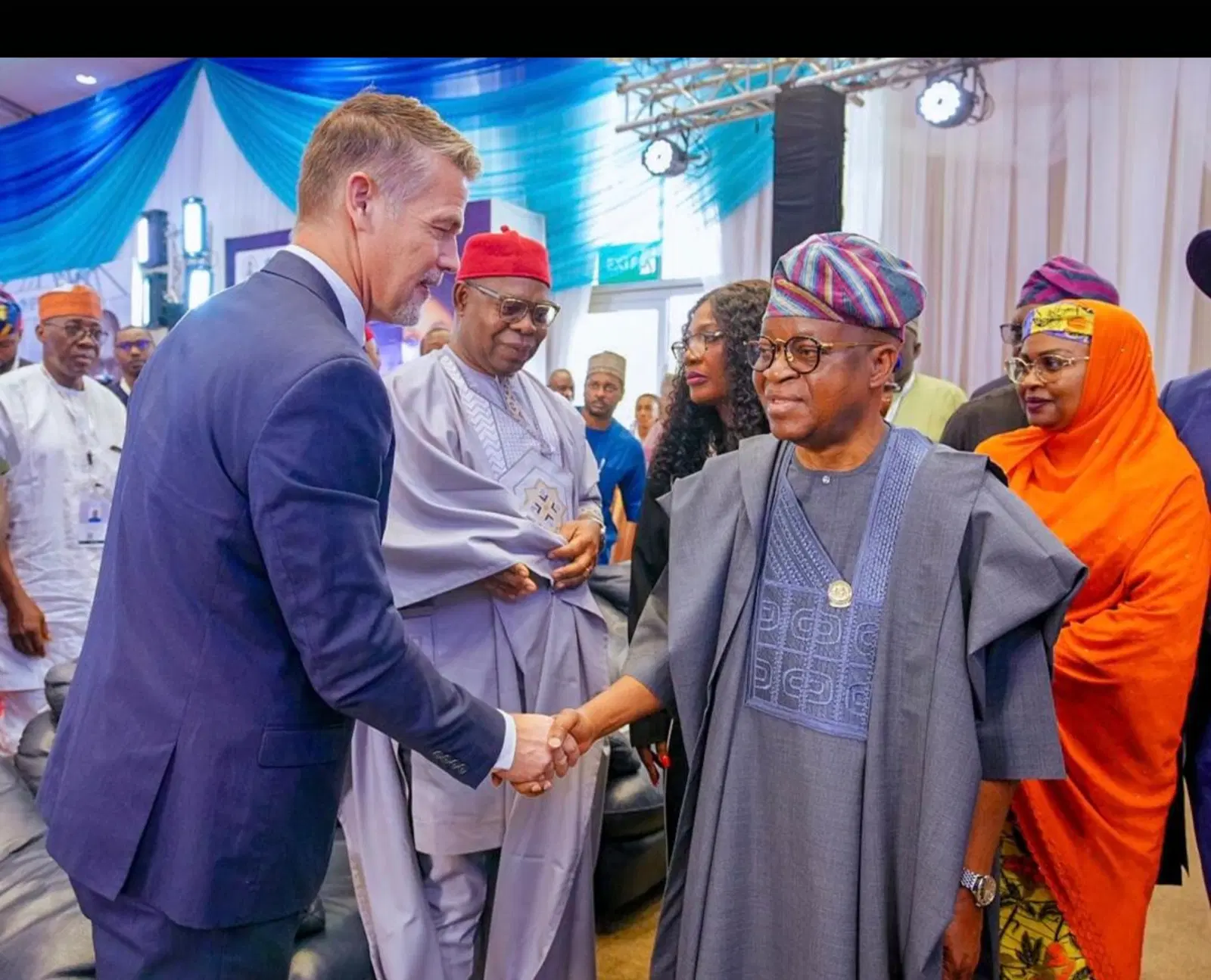
Nigeria’s maritime sector is showing strong resilience and renewed momentum, with a sharp rise in export volumes positioning the country as a growing player in global trade, according to APM Terminals Nigeria CEO, Frederik Klinke.
Speaking at the opening of the Blue Economy Investment Summit in Abuja on Thursday, Klinke highlighted a significant increase in export activity as evidence that Nigeria’s strategic reforms and investments are beginning to yield tangible results, even as the global maritime industry faces mounting uncertainty.
He noted that while international shipping continues to grapple with disruptions driven by geopolitical tensions and shifting trade routes, Nigeria has maintained forward progress, particularly in its push to expand non-oil exports. According to data from the Nigerian Ports Authority’s third quarter 2025 report, export-laden container volumes surged by an extraordinary 1,085 per cent, underscoring the scale of transformation underway within the country’s trade ecosystem.
Klinke attributed this growth to deliberate policy measures and operational improvements aimed at enhancing efficiency and reducing bottlenecks. Chief among these is the rollout of the National Single Window, a centralised digital platform designed to streamline import and export processes. The initiative is expected to cut cargo clearance timelines dramatically, from several weeks to as little as 48 hours, thereby improving Nigeria’s competitiveness in global markets.
Despite persistent global challenges, including rising freight costs, longer shipping routes and increased insurance premiums, Klinke emphasised that Nigeria’s export expansion reflects a sector responding positively to reform. He warned, however, that without sustained intervention and coordination, external pressures could still undermine the country’s diversification agenda.
APM Terminals Nigeria, he said, has aligned its operations to support and capitalise on the upward trend in exports. The company has invested more than 600 million US dollars in its Nigerian terminals, focusing on efficiency, sustainability and infrastructure upgrades to facilitate smoother cargo movement.
These investments are already contributing to export growth. Klinke pointed to targeted operational strategies such as the establishment of a dedicated Container Freight Station at Onne, the introduction of exclusive export lanes at Apapa to reduce delays, and the launch of a thrice-weekly rail service linking Apapa Port to Moniya in Ibadan. This rail connection is improving the reliability and speed of moving export cargo from inland production hubs to the ports.
He stressed that such measures are critical in sustaining the current momentum in export volumes, particularly at a time when trade patterns are rapidly evolving. With East–West Africa trade volumes having risen by more than 30 per cent in 2025, now the fastest-growing container trade corridor globally, Nigeria is well positioned to capture a larger share of this growth if it continues to strengthen its maritime infrastructure and logistics systems.
Klinke also underscored the importance of maintaining consistent regulatory reforms and advancing port modernisation to support export expansion. He called for deeper channel drafts to accommodate larger vessels, full integration of digital systems across the port ecosystem, and improved multimodal transport networks to ensure seamless cargo movement.
According to him, reducing cargo dwell times and simplifying documentation processes will not only lower the cost of doing business but also enhance Nigeria’s credibility in international trade, further boosting export competitiveness.
He concluded that Nigeria’s maritime economy is at a critical juncture, where sustained alignment between policy, infrastructure investment and execution could unlock even greater export growth. With the private sector ready to invest, he said the priority must be to ensure predictable regulations, accelerated digitisation and efficient trade corridors that enable Nigeria to fully realise its export potential and establish itself as a leading maritime hub in West Africa.







Police debunk viral terror alert in Abuja, nab suspect for incitement

‘Using Frisco as a film set’: Indian-origin man exposes ‘coordinated’ anti-Indian campaign in US

Are there things going to happen in Abuja that we should all be aware of? – Deji Adeyanju questions US Abuja Embassyâs decision to suspend Visa appointments indefinitely

Driver Tests Positive to Cocaine and Cannabis, Police Says

Grandpa Drowns During Baptism As Pastor Says She Saw Him 'Dancing With Jesus'

Nigerian newspapers review: Cut-throat rent hikes worsening Nigeria’s housing crisis

Pope Leo heads to Africa for first major foreign tour

 News1 year ago
Abiodun attracts battle line: Ogun gained’t cede Ode-Omi, Makun to Lagos, Ondo
- News1 year ago
Engr. Sheriff Daramola Elected as fifteenth President of IFMA Nigeria Chapter
- Business1 year ago
Marketsquare expands with two new shops in Lagos
- Business1 year ago
MTN implements 50% tariff hike, raises knowledge costs
- Business1 year ago
MDAs should prioritise capability constructing in public service reforms – BPSR DG
- Politics12 months ago
Yobe gov not becoming a member of coalition — Aide
- Business1 year ago
The Rabiu Impact: Why Energy and Status Patronize BUA Boss
- Business11 months ago
GTCO Shareholders Approve N8.03 Per Share Dividend Payout