Politics
Nigeria records macroeconomic stability in Q1 2026 – CPPE

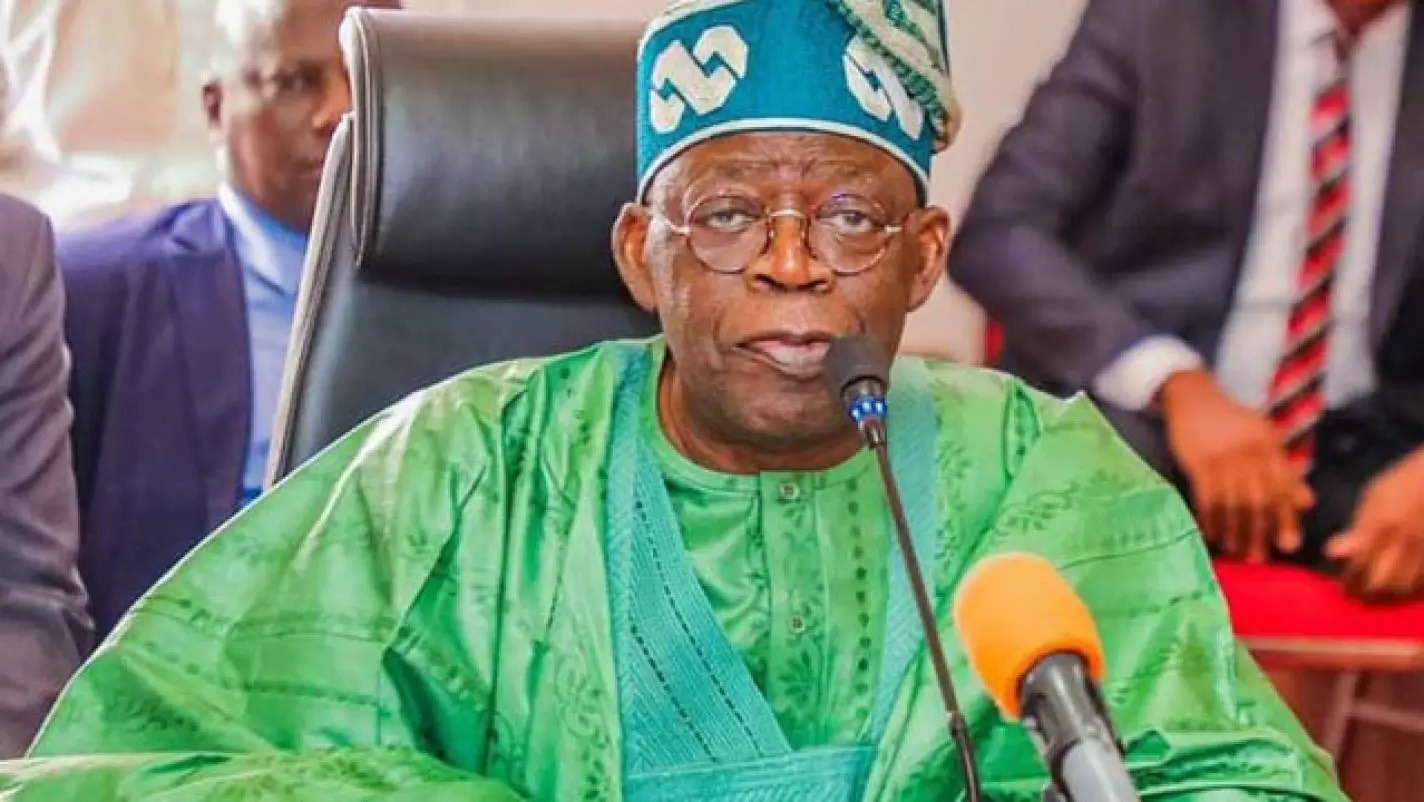
Lagos: The Centre for the Promotion of Private Enterprise (CPPE) says the Nigerian economy recorded notable gains in macroeconomic stability in spite of persistent cost pressures and rising geopolitical risks in the first quarter.
Its founder, Dr Muda Yusuf, made this known in an economic review made available to the News Agency of Nigeria (NAN) on Sunday in Lagos.
Yusuf said the period under review marked a significant turning point with key macroeconomic indicators improvements, driven by foreign exchange reforms, tighter monetary policy and gradual normalisation of economic conditions.
He, however, noted that the gains were tempered by structural challenges, including high energy costs, weak consumer demand and insecurity, which continue to weigh on productivity and investment.
He said inflation showed a consistent downward trend, moderating from over 24 per cent in early 2025 to about 15.06 per cent in February 2026.
Yusuf added the naira stabilised within a relatively narrow band of about N1,340 to N1,430 to the dollar in the official market during the period, helping to moderate imported inflation and boost business confidence.
“External reserves rose above $50 billion in early 2026, supported by stronger oil earnings and improved foreign exchange liquidity,” he said.
Yusuf added that economic growth remained positive, with real Gross Domestic Product (GDP) growth at 4.07 per cent year-on-year in the fourth quarter of 2025 and 3.87 per cent for the full year.
He said business activity indicators remained in expansion territory, with Purchasing Managers’ Index readings consistently above the 50-point threshold.
He said monetary policy had begun to reflect the improving outlook, noting that the Monetary Policy Committee reduced the policy rate by 50 basis points to 26.5 per cent in February 2026.
In spite of these improvements, Yusuf said the real economy continued to face significant headwinds, particularly from a high-cost operating environment.
“The cost-of-living crisis remains pronounced, with transportation and energy costs still elevated, eroding household purchasing power,” he said.
He noted that businesses continued to grapple with high energy costs due to unreliable electricity supply, forcing reliance on diesel, petrol and gas-powered alternatives.
Yusuf also identified insecurity as a major concern, saying it was disrupting agricultural production, constraining food supply and weakening rural economic activities.
He added that high lending rates were limiting access to credit, especially for small and medium enterprises, while declining real incomes continued to dampen consumer demand.
Looking ahead to the second quarter of 2026, Yusuf expressed cautious optimism but warned of growing risks to macroeconomic stability.
He said the ongoing Middle East conflict posed a significant threat, with rising crude oil prices already exceeding 100 dollars per barrel, raising concerns about inflationary pressures and potential stagflation.
“While higher oil prices may boost government revenue and foreign exchange inflows, they also increase domestic fuel costs, with ripple effects on logistics, production and overall cost structure,” he said.
According to him, this could undermine the fragile disinflation trend and worsen cost-of-living pressures for households and businesses.
Yusuf advised policymakers to consolidate macroeconomic stability, address structural bottlenecks and implement targeted interventions to protect vulnerable populations.
He also urged businesses and investors to prioritise resilience, cost efficiency and risk management strategies, including investment in alternative energy, local sourcing and prudent liquidity management.
The CPPE boss further advised investors to focus on sectors with strong demand, pricing power, export potential and supportive policy environment, while closely monitoring political developments ahead of the 2027 elections.
He said the trajectory of the economy in the coming months would depend largely on external shocks, fiscal discipline and the consistency of ongoing reforms.


Trump calls Artemis II astronauts "modern-day pioneers" in live conversation

Artemis II crew completes record-breaking trip around the moon

4/6: The Takeout with Major Garrett

Artemis II travels around far side of the moon

Buhari’s son declares interest in reps seat

14-year-old running for governor of Vermont

Savannah Guthrie returns to "Today" show as search for mother continues

 News1 year ago
Abiodun attracts battle line: Ogun gained’t cede Ode-Omi, Makun to Lagos, Ondo
- News1 year ago
Engr. Sheriff Daramola Elected as fifteenth President of IFMA Nigeria Chapter
- Business1 year ago
Marketsquare expands with two new shops in Lagos
- Business1 year ago
MTN implements 50% tariff hike, raises knowledge costs
- Business1 year ago
MDAs should prioritise capability constructing in public service reforms – BPSR DG
- Politics11 months ago
Yobe gov not becoming a member of coalition — Aide
- Business11 months ago
GTCO Shareholders Approve N8.03 Per Share Dividend Payout
- Business1 year ago
The Rabiu Impact: Why Energy and Status Patronize BUA Boss