National
Oyedele admits errors in new tax laws, promises corrections

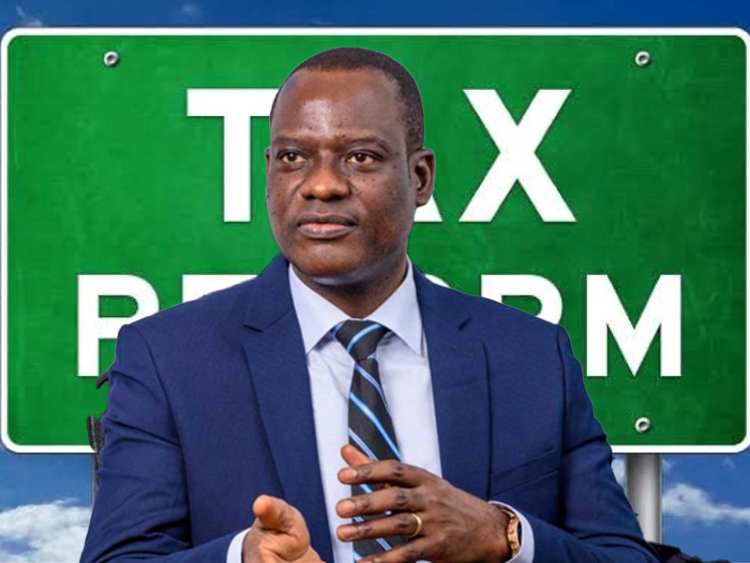
Taiwo Oyedele, minister of state for finance, has acknowledged that Nigeria’s new tax reform laws contain errors, assuring that corrective measures are already underway to address the identified issues.
Oyedele made the disclosure during a fireside chat at the 2026 annual conference of the Nigerian Bar Association Section on Legal Practice, themed From Policy To Practice: Making Sense Of Nigeria’s New Tax Reforms.
According to a statement from the Fiscal Reforms Committee, the tax expert admitted that inconsistencies emerged during the drafting and legislative process due to procedural lapses and manual handling of documents.
He said, “What we need is a more transparent and reliable legislative process where every version of a law is publicly available.”
Oyedele, however, assured stakeholders that the issues would be addressed through a proposed Finance Bill expected to amend the problematic areas of the law.
He stressed that implementation of the new tax regime would not be arbitrary, noting that the reforms were built on fairness, transparency and clear policy objectives.
The committee chairman also urged Nigerians to focus not only on the wording of the laws but on the reasoning behind them, arguing that policy intent should guide both interpretation and enforcement.
Speaking on the broader reforms, Oyedele said the previous tax structure created distortions, especially between personal and corporate taxation, which discouraged many businesses from entering the formal economy.
According to him, the new framework is designed to promote business formalisation, improve consistency and reduce excessive discretion in tax administration.
He also warned that frequent policy reversals damage investor confidence.
“If policies can change overnight, it sends the wrong signal to investors. Consistency is critical,” he said.
On taxation and social equity, Oyedele maintained that low-income earners and small businesses would be protected under the new system.
“Nearly half of working Nigerians earn less than N70,000 monthly. Taxing them aggressively would be unjust,” he said.
He added that the reforms remove minimum tax obligations for loss-making companies, describing the previous model as taxing capital rather than profit.
The latest remarks follow concerns over alleged discrepancies between the versions of the tax laws passed by the National Assembly and those later gazetted, prompting lawmakers to initiate a legislative review.


Finish housemanship within two years or face test – MDCN warns medical graduates

Dems call on Swalwell to drop out of gov race amid sexual assault allegations

US official denies report Washington agreed to unfreeze Iran assets

At age 102, a New York man is still striving for perfection, through pottery

Netherlands becomes first European country to allow Teslas self-drive

9 highlights from Artemis II's epic journey around the moon

UK Police arraign teenager over killing of Nigerian boy

 Breaking2 weeks ago
Outrage as video of secondary school students in Benue state str!ping their classmate surfaces online
 News2 weeks ago
I Joined A Cult, Worked So Hard For Demons – Tonto Dikeh Confesses While Ministering (Video)
- News2 weeks ago
Heartbreaking Story Of 300-Level Ekiti University Student Who Was K!lled After Truck Crashed Into His Building (Video)
- News2 weeks ago
WAEC Releases 2026 WASSCE Timetable (Full List)
- Breaking2 weeks ago
Singer Flavour shows off Italian woman and vows to shower her with so much love that she’ll have no choice but fall in love (video)
- Breaking6 days ago
Mother Abandons 4 Children with Neighbor and Disappears for Months — Shocking Case Raises Questions
- National1 week ago
Environmental Sanitation: Lagos meets with LG, LCDA bosses
- World3 days ago
Trump-Iran ceasefire 'collapses' as UAE, and Bahrain attacked and oil refinery targeted