World
Panic in Spain as tourists blamed for making it ‘impossible’ to live in top seaside cities

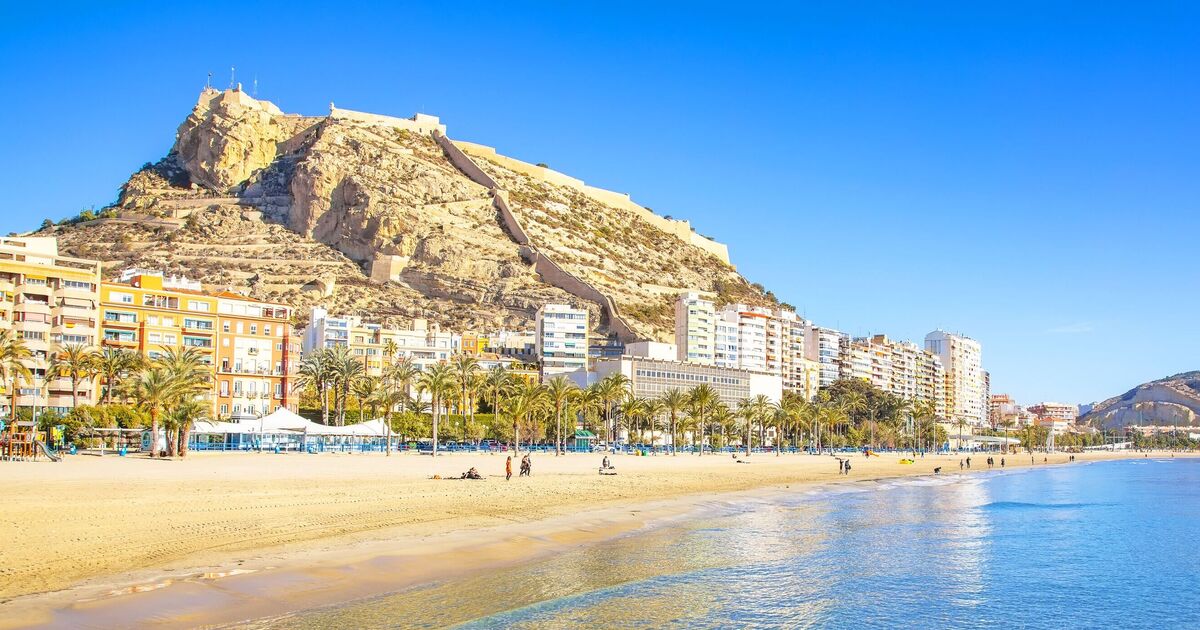
Many of Spain’s popular coastal cities are in dire need of sweeping tourism reforms as visitor numbers have made them “impossible to live” in, a politician has warned. Alberto Ibáñez, a lawmaker with left-wing Valencian coalition Compromís, has claimed cities including Alicante and Valencia have reached breaking point, with neighbourhoods being transformed into “sets for tourists” and locals increasingly being pushed out.
Mr Ibáñez revealed that in many tourist hotspots, traditional businesses are disappearing as cities shift their offerings to suit tourists rather than residents. “You close a bakery to open a locker rental or bike hire shop, with all the harm this causes,” he said, backing what he described as “tourism degrowth”. He also took aim at cruise tourism, claiming that the number of passengers – who contribute little to the local economy but put a huge strain on infrastructure and the environment – arriving in the east coast city of Valencia often exceeds its own population on busy days.
“These are people who come down here and don’t know if they’re in Valencia, Seville or Barcelona,” he said. “They buy the same souvenir and spend no more than five euros on a beer.”
Mr Ibáñez said that expanding ports to accommodate more cruise ships should be rejected, insisting that arrivals must be capped instead.
The Spanish politician has formally asked Spain’s parliament to create a subcommittee to examine the impact of tourism on residents’ quality of life, arguing it should capture the growing “frustration” of those living in holiday hotspots.
“We don’t need more tourists; we can’t accommodate any more,” he said, citing the resort of Benidorm as a warning of what can happen when tourism dominates the local economy. “We can keep denying it until the day comes when there are no residents left.”
Mr Ibáñez also offered a vastly different view of these cities’ dependency on tourism compared to other industry experts. While many cite that Madrid, Barcelona, Seville and Palma de Mallorca are heavily dependent on tourism, representing about 15.6% of the national economy and over 11% of GDP, Mr Ibáñez said for cities such as Valencia, this is no longer the case.
Instead, he argued, “tourism lives off the city and is devouring it,” while calling for more jobs outside the sector. According to La Moncloa, tourism represents roughly one in every seven jobs, totalling over three million employees as of 2025. In the Costa del Sol, tourism employs roughly 19% of its local workforce.


Stop saying unknown gunmen. We know those k!lling our people- Plateau lawmaker

#OccupyINEC protest: Kwankwaso slams INEC, alleges ‘blatant partisanship’

Greece confirms new ban starting next year in major policy shift

Haiti women’s ministry vows legal action over groping of girls at viral colour event

Police allege rapper Lil Tjay instigated fight leading to Offset sho0ting at Florida casino

‘Don’t kill democracy’ — Obi, Amaechi reject ‘one-party’ rule

Trump threatens 50% tariffs on countries supplying arms to Iran

 News1 year ago
Abiodun attracts battle line: Ogun gained’t cede Ode-Omi, Makun to Lagos, Ondo
- News1 year ago
Engr. Sheriff Daramola Elected as fifteenth President of IFMA Nigeria Chapter
- Business1 year ago
Marketsquare expands with two new shops in Lagos
- Business1 year ago
MTN implements 50% tariff hike, raises knowledge costs
- Business1 year ago
MDAs should prioritise capability constructing in public service reforms – BPSR DG
- Politics12 months ago
Yobe gov not becoming a member of coalition — Aide
- Business11 months ago
GTCO Shareholders Approve N8.03 Per Share Dividend Payout
- Business1 year ago
The Rabiu Impact: Why Energy and Status Patronize BUA Boss