News
The NCDC Has Reported, Increase In Lassa Fever Fatalities

The Nigeria Centre for Disease Control and Prevention (NCDC), the number of deaths from Lassa fever increased significantly in 2026. The News Agency of Nigeria (NAN) received the NCDC’s Epidemiological Week 13 report on Thursday in Abuja.
According to the Nigerian Public Health Institute, the case fatality rate (CFR) is 25.2%, which is far higher than the 18.5% reported for the same time period in 2025.
The study states that there were 26 new confirmed cases in week 13, down from 51 instances the week before.
Seven states—Edo, Bauchi, Ondo, Taraba, Ebonyi, Benue, and Kaduna—reported instances.
With 663 confirmed cases out of 3,831 suspected cases reported in 22 states and 93 local government units in 2026, the organization pointed out that the disease’s overall burden remained high.
According to the report, “the number of suspected and confirmed cases has increased compared to the same period in 2025.” The NCDC identified Bauchi, Ondo, Taraba, Edo, and Benue as the most affected states, accounting for 85 per cent of all confirmed cases. It added that young adults between the ages of 21 and 30 remained the most affected group, with a median age of 30 years.
The report also highlighted persistent challenges driving the high fatality rate, including late presentation of cases, poor health-seeking behaviour, and high cost of treatment. Other factors the report said include poor environmental sanitation and low awareness levels in high-burden communities.
In spite of these concerns, no new infections among healthcare workers were recorded during the reporting week.
In response to the outbreak, the NCDC said it had activated a multi-partner incident management system to coordinate national response efforts. It also said that the agency in collaboration with partners such as WHO, UNICEF, and MSF, had intensified surveillance, contact tracing, and public awareness campaigns.
It was stated that focused interventions, including a healthcare worker protection plan and infection prevention strategies, were being implemented in high-burden states.
The agency urged state governments to strengthen year-round community engagement and called on healthcare workers to maintain a high index of suspicion for Lassa fever to ensure early detection and treatment. Public health experts are of the opinion that rising fatality rates in spite of improved response efforts underscore the urgent need to address systemic gaps in early diagnosis and access to care.
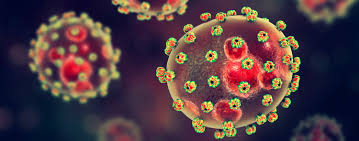
The Lassa virus causes Lassa fever, an acute viral hemorrhagic infection that is mainly spread via contact with rodent-contaminated food or household goods. Nigeria records cases of the disease annually, particularly during the dry season when human exposure to infected rodents increases.
Early detection and timely treatment are recommended by health authorities and strict infection control measures remain critical to reducing mortality and preventing outbreaks. (NAN)






Thereâs no pathway for Tinubu to return as President in 2027 which is why he’s creating a pathway to be the only candidate â Rhodes-Vivour

₦3.6 Billion Fraud: EFCC Moves To Overturn Verdict Clearing Omatsuli And Firms

Lagos State, The World Bank, And FCMB Have Launched $500 Million To Change Education And Healthcare

DHQ confirms deaths of terrorists, soldiers in Borno attack
Iran announces alternative routes in Hormuz Strait

Saudi Arabia’s life expectancy rises to nearly 80 years, up from 74 in 2016

Taste the soil: London’s Museum of Edible Earth invites visitors to eat dirt from around the world

 News1 year ago
Abiodun attracts battle line: Ogun gained’t cede Ode-Omi, Makun to Lagos, Ondo
- News1 year ago
Engr. Sheriff Daramola Elected as fifteenth President of IFMA Nigeria Chapter
- Business1 year ago
Marketsquare expands with two new shops in Lagos
- Business1 year ago
MTN implements 50% tariff hike, raises knowledge costs
- Business1 year ago
MDAs should prioritise capability constructing in public service reforms – BPSR DG
- Politics12 months ago
Yobe gov not becoming a member of coalition — Aide
- Business1 year ago
The Rabiu Impact: Why Energy and Status Patronize BUA Boss
- Business11 months ago
GTCO Shareholders Approve N8.03 Per Share Dividend Payout