Breaking
Tinubu approves ₦3.3tn plan to boost electricity supply

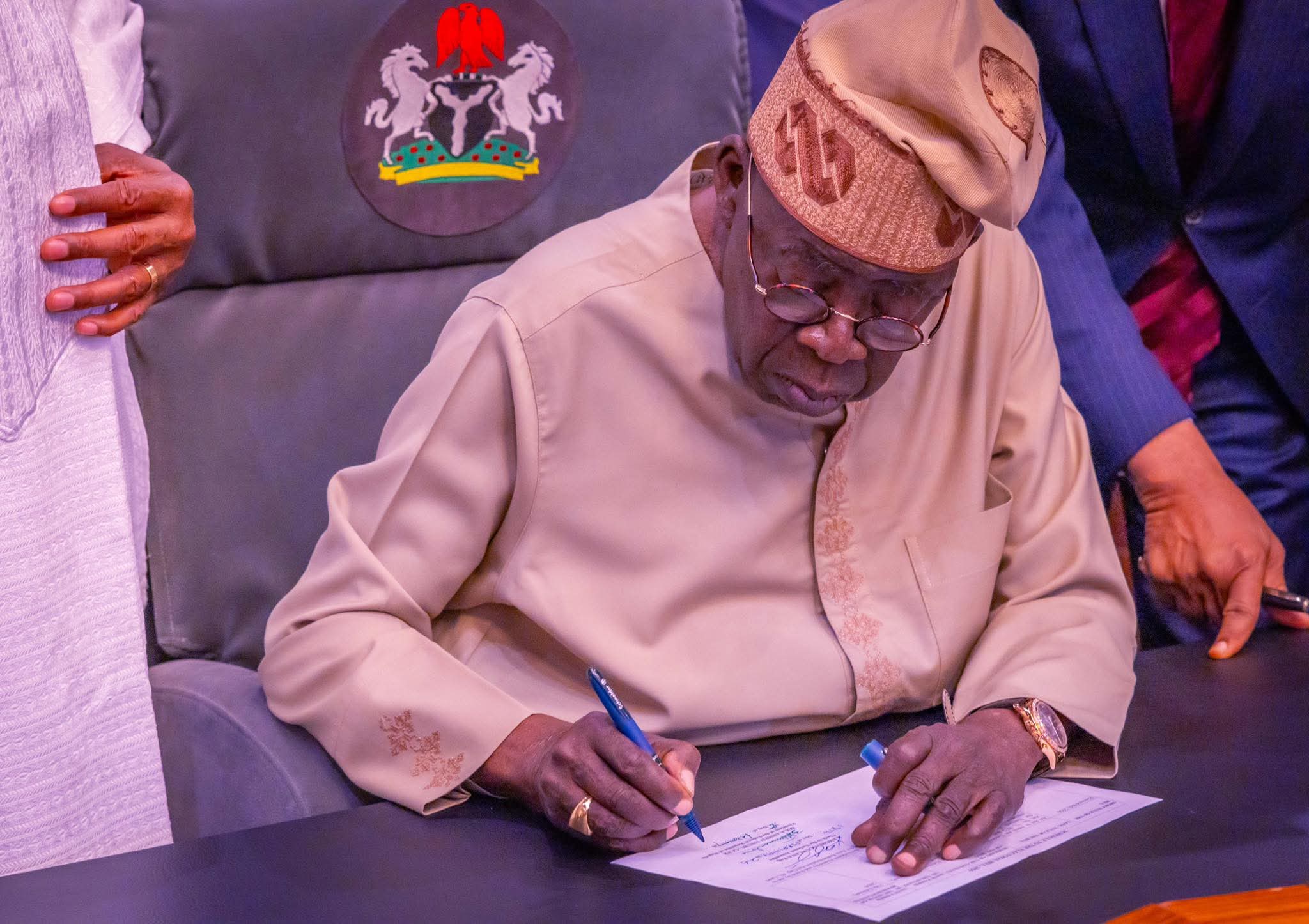
President Bola Tinubu has approved a ₦3.3 trillion payment plan aimed at settling long-standing debts in Nigeria’s power sector, in a move the Federal Government says will restore stability and improve electricity supply across the country.
The approval, announced in a State House press release on Sunday, is part of the Presidential Power Sector Financial Reforms Programme, designed to resolve legacy financial obligations that have plagued the sector for over a decade.
According to the statement signed by the President’s Special Adviser on Information and Strategy, Bayo Onanuga, the debts accumulated between February 2015 and March 2025. Following a comprehensive verification process, the government and stakeholders agreed on ₦3.3 trillion as a “full and final settlement.”
Implementation of the repayment plan has already commenced, with 15 power generation companies signing settlement agreements worth ₦2.3 trillion. The Federal Government has so far raised ₦501 billion to fund the initiative, out of which ₦223 billion has been disbursed, while additional payments are ongoing.
Officials say the intervention is expected to have a direct impact on electricity generation and supply. By settling outstanding obligations across the power value chain, generation companies are expected to operate more efficiently, leading to improved reliability of electricity nationwide.
Special Adviser on Energy to the President, Olu Arowolo-Verheijen, described the programme as a critical step toward rebuilding confidence in the sector.
“This programme is not just about settling legacy debts. It is about restoring confidence across the power sector — ensuring gas suppliers are paid, power plants can keep running, and the system begins to work more reliably,” she said.
She added that the initiative forms part of broader reforms, including improved metering and the implementation of service-based tariffs that link electricity costs to quality of supply.
The government is also prioritising power delivery to key sectors of the economy, including industries, businesses, and small enterprises, in a bid to stimulate economic growth and job creation.
“The goal is simple: more reliable power for homes, stronger support for businesses, and a system that works better for all Nigerians,” Arowolo-Verheijen added.
President Tinubu commended stakeholders for their role in resolving the long-standing issues and confirmed that the next phase of the programme, known as Series II, will commence later this quarter.
Nigeria’s power sector has long struggled with liquidity challenges, infrastructure deficits, and inconsistent supply, with experts often citing unpaid debts as a major constraint to performance. The latest intervention is seen as one of the most significant financial restructuring efforts in the industry in recent years.


Dickson dismisses NDC registration criticism as sponsored propaganda

PTDF interviews 5,885 candidates for overseas scholarships

Strait Of Hormuz: Iran Announces Alternative Routes Amid Truce

PIND Expands Youth Employment Program Through Market-Driven Skills Training in Bayelsa State

Mass crackdown in Saudi Arabia: Over 14,000 illegal residents arrested in one week

Terra Cube wins ADVANâs Biggest Award â Brand of the Year

“People deserve answers”: Candace Owens questions Erika Kirk CEO role as Charlie Kirk audio dispute raises serious doubts online

 News1 year ago
Abiodun attracts battle line: Ogun gained’t cede Ode-Omi, Makun to Lagos, Ondo
- News1 year ago
Engr. Sheriff Daramola Elected as fifteenth President of IFMA Nigeria Chapter
- Business1 year ago
Marketsquare expands with two new shops in Lagos
- Business1 year ago
MTN implements 50% tariff hike, raises knowledge costs
- Business1 year ago
MDAs should prioritise capability constructing in public service reforms – BPSR DG
- Politics12 months ago
Yobe gov not becoming a member of coalition — Aide
- Business11 months ago
GTCO Shareholders Approve N8.03 Per Share Dividend Payout
- Business1 year ago
The Rabiu Impact: Why Energy and Status Patronize BUA Boss