National
UK rejects role in Trump’s Hormuz blockade plan

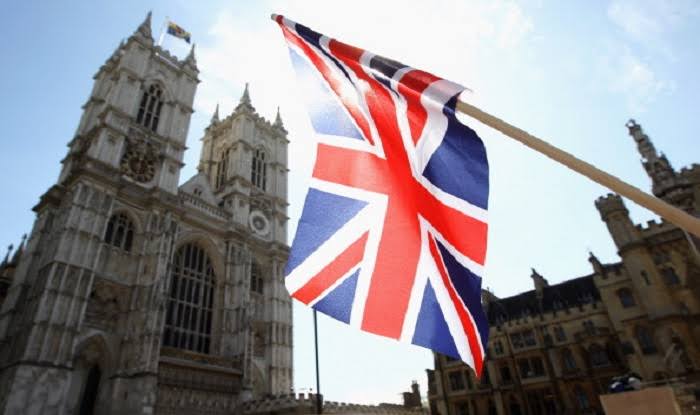
The United Kingdom has stated that it will not take part in a proposed maritime blockade of the Strait of Hormuz led by the United States, as tensions between Washington and Tehran continue to escalate.
The position follows a directive by Donald Trump, US President ordering the US Navy to block vessels entering or exiting the critical waterway.
The move came after the collapse of prolonged nuclear negotiations between the US and Iran, which reportedly lasted 21 hours without reaching a breakthrough.
The Strait of Hormuz remains one of the world’s most strategically significant shipping routes, facilitating nearly 20 per cent of global oil supply.
According to a report by Sky News, a spokesperson for the UK government emphasised the country’s commitment to maintaining open and secure maritime routes rather than participating in enforcement actions.
“We continue to support freedom of navigation and the reopening of the Strait of Hormuz, which is vital for the global economy and the cost of living domestically.
“The strait should not be subject to tolling. We are actively engaging with France and other partners to form a broad coalition to safeguard maritime movement,” the spokesperson said.
Earlier indications suggested that Washington had sought British support, including the deployment of minesweepers to help secure the area.
However, UK officials clarified that while British naval assets with mine-hunting capabilities are present in the region, they will not be used to support the US blockade initiative.
President Trump announced the blockade plan via his Truth Social platform, describing it as a necessary step following the breakdown of diplomatic efforts with Iran.
While he acknowledged that some progress had been made during the talks, he maintained that key issues, particularly Iran’s nuclear programme, remained unresolved.


Pope Leo hits back at Trump after astonishing attacks – 'Sorry to hear that!'

Troops intercept medical supplies, foil terrorist attacks, rescue abductees

Boy, 15, ‘begged for his life’ before being killed by illegal migrant

Jilli Airstrike: We Are Traders, Not Insurgents – Survivors

Two in custody after man’s death at Adamawa party

“Scheming means nothing with Nigerians being dragged backwards” – Atiku’s aide tells Keyamo

Trump issued major warning after Orban humiliation – as JD Vance visit makes no difference

 Breaking2 weeks ago
Outrage as video of secondary school students in Benue state str!ping their classmate surfaces online
 News2 weeks ago
I Joined A Cult, Worked So Hard For Demons – Tonto Dikeh Confesses While Ministering (Video)
- News2 weeks ago
Heartbreaking Story Of 300-Level Ekiti University Student Who Was K!lled After Truck Crashed Into His Building (Video)
- Breaking1 week ago
Mother Abandons 4 Children with Neighbor and Disappears for Months — Shocking Case Raises Questions
- National2 weeks ago
Environmental Sanitation: Lagos meets with LG, LCDA bosses
- News2 weeks ago
WAEC Releases 2026 WASSCE Timetable (Full List)
- Breaking2 weeks ago
Singer Flavour shows off Italian woman and vows to shower her with so much love that she’ll have no choice but fall in love (video)
- World5 days ago
Trump LIVE: Iran war bombshell as Trump could be 'removed from Presidency'