News
US orders officials to leave Nigeria embassy, lists 23 states as ‘do not travel’

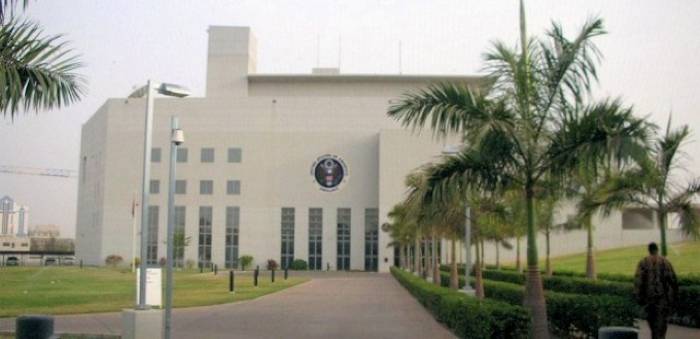
The United States Department of State has authorised non-emergency government staff and their families to depart the U.S. Embassy in Abuja, citing worsening security conditions across Nigeria.
In a travel advisory updated on Wednesday, the department stated that, effective April 8, 2026, Americans should reconsider travel to Nigeria due to crime, terrorism, kidnapping, and civil unrest.
The advisory places Nigeria under “Level 3: Reconsider Travel,” while designating several states as “Level 4: Do Not Travel.”
It also added Plateau State, Jigawa State, Kwara State, Niger State, and Taraba State to the highest-risk category, bringing the total number of “Do Not Travel” states to 23.
“On April 8, 2026, the Department of State authorized non-emergency U.S. government employees and U.S. government employee family members to leave U.S. Embassy Abuja due to the deteriorating security situation,” the advisory read.
“Reconsider travel to Nigeria due to crime, terrorism, unrest, kidnapping, and inconsistent availability of health care services. Some areas have increased risk,” it added.
States listed under the Level 4 advisory in northern Nigeria include Borno State, Jigawa State, Kogi State, Kwara State, Niger State, Plateau State, Taraba State, Yobe State, and parts of Adamawa State, due to terrorism, crime, and kidnapping.
Additional states such as Bauchi State, Gombe State, Kaduna State, Kano State, Katsina State, Sokoto State, and Zamfara State were also flagged due to unrest, crime, and kidnapping.
In southern and southeastern regions, the advisory warned against travel to Abia State, Anambra State, Bayelsa State, Delta State, Enugu State, Imo State, and Rivers State (excluding Port Harcourt), citing high risks of crime, kidnapping, and unrest.
“The security situation in these states is unstable and uncertain due to civil unrest. Widespread violence between communities and armed crime, including kidnapping and roadside banditry.
“Security operations to counter these threats may occur without warning,” the advisory noted.
The department warned that violent crimes such as armed robbery, carjacking, and kidnapping for ransom are widespread, adding that U.S. citizens are often targeted due to perceptions of wealth.
It also highlighted the continued threat of terrorist attacks in public places such as markets, shopping centres, hotels, places of worship, and large gatherings.
Additionally, the advisory described healthcare services in Nigeria as limited and inconsistent, noting that facilities often fall below U.S. and European standards.
The State Department advised U.S. citizens who must travel to Nigeria to enroll in the Smart Traveler Enrollment Program (STEP), remain vigilant, avoid large gatherings and demonstrations, and establish personal safety measures, including “proof of life” protocols.







Moment Donald Trump bombshell dropped on live TV – and it’s an ‘absolute disaster’

Police arrest 28-year-old man for m8rder of his three siblings in Ondo

Dubai tourism is 'open': Tourism chief Issam Kazim assures visitor safety, shares dining intiatives and travel attractions

Abia police deny viral claims of Boko Haram arrest in the state

More Leaders Like Dora Akunyili Would Benefit Nigeria, Mofoluwake Edgar Says

What we discussed with de-recognised ADC — PDP faction

2027: Bauchi lawmaker declares governorship bid, gifts supporters N10m

 News1 year ago
Abiodun attracts battle line: Ogun gained’t cede Ode-Omi, Makun to Lagos, Ondo
- News1 year ago
Engr. Sheriff Daramola Elected as fifteenth President of IFMA Nigeria Chapter
- Business1 year ago
Marketsquare expands with two new shops in Lagos
- Business1 year ago
MTN implements 50% tariff hike, raises knowledge costs
- Business1 year ago
MDAs should prioritise capability constructing in public service reforms – BPSR DG
- Politics12 months ago
Yobe gov not becoming a member of coalition — Aide
- Business11 months ago
GTCO Shareholders Approve N8.03 Per Share Dividend Payout
- Business1 year ago
The Rabiu Impact: Why Energy and Status Patronize BUA Boss