News
Why virginity does not protect against fibroids

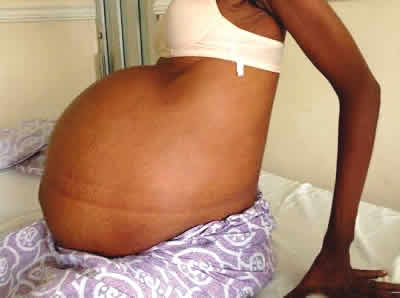
Many women, whether married or single, have long questioned why uterine leiomyomas, also called fibroids, occur, often believing virginity offers protection, but doctors say this is a myth.
According to the online journal, Obstetrics and Gynaecology International, in a report titled “The Epidemiology and Pathogenesis of Uterine Fibroids,” Black women are more likely to develop multiple fibroids.
The report states that Black women have approximately a 1.5-fold higher likelihood of having seven or more leiomyomas compared to white women.
On age-related factors, it noted that women who experience their first menstruation before the age of 10 have a relative risk of 1.24 of developing leiomyomas.
In contrast, those whose first occurrence of menstruation occurs after age 16 have a significantly lower relative risk of 0.68.
Similarly, the United States National Library of Medicine, in a report titled “Management of Uterine Fibroids,” confirms that most women will develop one or more uterine fibroids during their reproductive years.
The report estimates that in the United States, about 26 million women between the ages of 15 and 50 have uterine fibroids, with more than 15 million experiencing associated symptoms or related health concerns.
It also states that, on average, African American women tend to develop fibroids at a younger age and are more likely to have larger and more numerous tumours, as well as to undergo surgical interventions for treatment.
The report added that one concern in surgical management is the risk of discovering a leiomyosarcoma, a rare cancer of the uterine muscle, instead of a fibroid during surgery.
The report noted that such cases are uncommon but severe, with an estimated 1,600 new cases recorded annually in the United States.
Inactive womb fuels growth
A consultant obstetrician, gynaecologist and fertility specialist at Monatan Central Specialist Hospital and IVF Centre in Ibadan, Oyo State, Dr Olakunle Oloko, told Sunday PidomNigeria that virginity does not protect women from developing uterine fibroids.
He also said the risk may increase with prolonged estrogen exposure without pregnancy.
Oloko described fibroids as growths of the womb, largely influenced by long-term hormonal activity, especially estrogen when not used for conception.
He noted that the increasing trend of early menstruation among young girls has significantly extended the number of years women are exposed to oestrogen, thereby increasing their vulnerability to fibroid development over time.
The surgeon stressed that women who remain virgins for long periods may face a higher likelihood of developing large fibroids because the hormone continues to act on the womb without interruption.
“Uterine fibroids are non-cancerous tumours of the womb. In many cases, fibroid-related problems are linked to prolonged exposure to oestrogen, particularly when it is unopposed.
“These days, many girls begin menstruation at a very early age, sometimes as early as nine or ten years old. When there is prolonged exposure to oestrogen without pregnancy, uterine fibroids may begin to develop,” he said.
Oloko explained that biological inactivity of the womb over a long period creates conditions that encourage abnormal growth.
Using a simple but vivid analogy, he illustrated how the body responds to inactivity within the reproductive system by allowing other forms of growth to take place in the absence of pregnancy.
The gynaecologist explained that the womb is biologically structured to either sustain pregnancy or become susceptible to other forms of growth, which is why prolonged inactivity can be problematic.
“Naturally, nature does not allow vacancy. Fibroids have been widely documented among women who have not had children. One way to understand this concept is through a Yoruba proverb, aisinle olongbo, ile di ile eku, meaning “when the cat is away, the rats take over.”
Similarly, when the womb is not engaged in pregnancy over time, fibroids may develop. That is why it is very worrisome and huge among Black women who are even virgins,” he said
He added that early childbearing helps to redirect oestrogen towards supporting foetal development, thereby reducing the likelihood of fibroid growth and limiting their size when they occur.
“Those who give birth early rarely develop large fibroids because, as they give birth, oestrogen continues to feed the baby rather than the fibroid. Whereas, for those who have not had sex and start their menstruation early, the oestrogen will have no choice but to feed the womb to build up fibroids. That’s why fibroids are very big among virgins, nuns and the reverend sisters who are not married,” he said.
Delayed childbirth increases risk
Oloko linked rising fibroid cases to modern social realities such as delayed marriage and childbirth, which extend reproductive years without pregnancy.
He also highlighted genetic and racial factors, noting that Black women are more predisposed due to inherited biological characteristics.
“The way God created the womb, God created it for the purpose of carrying babies, and it is expected that any woman who is menstruating after four to six years should start making babies, as was done in the old days.
“However, in modern times, due to factors such as education, career pursuits and religious beliefs, many women delay childbirth, thereby causing undue exposure to oestrogen, which leads to an increase in the risk that fibroids can occur,” he said.
The doctor emphasised that fibroids are not limited by age and can occur at any point during a woman’s reproductive years, especially when hormonal exposure begins early and continues uninterrupted.
He identified low parity and extended reproductive years without pregnancy as additional factors that contribute to fibroid development, particularly among women who delay or limit childbirth.
“Fibroids are not a function of age, as I have seen a 22-year-old lady with huge fibroids and even a 20-year-old with fibroids, which shows that anybody within the reproductive age group stands the risk of developing uterine fibroids. Many people who have a low number of children also stand the chance of having fibroids, especially when they still have many years of reproductive age left after stopping childbirth,” he said.
He contrasted this with earlier generations, where women had multiple pregnancies over a longer period, thereby reducing the window for fibroid growth.
The consultant also expressed concern about the growing number of women who reach their late thirties and forties without children.
“We now have many women around 39, 40, 42 and 44 years old who have fibroids and no children, and some do not even have spouses or partners, which makes management more difficult,” he said.
Fibroids threaten fertility
Oloko outlined the wide range of complications associated with fibroids, particularly their impact on fertility, menstrual health and overall wellbeing.
He added that fibroids can interfere with fertilisation by blocking reproductive pathways and preventing sperm from reaching the egg.
“Fibroids cause clotted menstruation, miscarriages and inability to conceive. For instance, submucous fibroids, those within the uterine cavity, can interfere with implantation and lead to miscarriage. Fibroids located near the fallopian tubes may block the passage of sperm, preventing fertilisation,” he said.
He highlighted the effect of fibroids on sexual relationships and menstrual patterns, noting that pain and prolonged bleeding often reduce sexual activity and disrupt reproductive timing.
According to him, excessive and prolonged bleeding not only complicates fertility but also poses serious health risks, including anaemia and chronic weakness.
“Sometimes, there may be a lot of pain during sexual relationships when fibroids are present, and many women bleed beyond their normal menstrual days, which affects their ovulation period.
“In some cases, prolonged or excessive bleeding can disrupt ovulation and make it difficult to determine the fertile window. Severe blood loss may also lead to anaemia, weakness, dizziness, and reduced quality of life. These effects can also impact sexual relationships and mental well-being,” he said.
Managing fibroids
Oloko cautioned that treatment must be carefully planned to preserve fertility where necessary, especially given the risks associated with poorly executed surgical procedures.
He added that diagnostic procedures should be conducted to assess reproductive health before surgery is undertaken.
“Some fibroid surgeries, if performed by inexperienced practitioners, can negatively affect fertility, which is why proper evaluation is essential before any intervention. It is advised that anyone going for fibroid surgery should have a hysterosalpingogram to ascertain if the tubes are already affected before proceeding,” he said.
He also said that fibroid management can be medical or surgical, depending on the patient’s age, symptoms and reproductive goals.
He reiterated that the only permanent solution to fibroids is the complete removal of the womb, although this option is often not suitable for women who have not yet had children.
However, he acknowledged that cultural values and the importance placed on fertility in African societies often limit the use of this option.
Oloko emphasised that greater awareness is needed to dispel misconceptions about fibroids, particularly the belief that virginity offers protection and to encourage women to make informed decisions about their reproductive health.
“In places like Nigeria, we cannot remove the womb of a woman who has not had a baby, and that is where the challenge lies. In many Western countries, such as the United Kingdom, the United States and Canada, hysterectomy may be more readily considered. However, in African societies, where childbearing is highly valued, preserving fertility is often the priority. As a result, removing the womb in women who have not had children is usually avoided,” he added.
A specialist midwife in the United Kingdom, Raphael Anusa, said fibroids can be managed or treated in various ways depending on several factors.
Anusa explained that there are many options for fibroid management, and the key considerations include the symptoms, the size and location of the fibroid, as well as the woman’s fertility aspirations.
“All of these factors shape the way we go about managing patients with fibroids,” he said.
Anusa told Sunday PidomNigeria that medication is another method of managing fibroids, but he cautioned that some drugs may not be suitable for women who wish to conceive, as they can prevent pregnancy.
He noted that some steps may reduce the risk of developing fibroids, including maintaining a healthy weight, eating a balanced diet and getting enough vitamin D.
He added that managing hormones naturally, avoiding smoking and excess alcohol, and having regular check-ups, especially for those with a family history, are important for maintaining uterine health.








SERAP urges Tinubu to probe ₦2.9bn missing NIGCOMSAT, NNRA funds

âMarriage is pr*stitutionâ â Lady sparks debate as she breaks down s*x, money, and stinginess in relationships

Oyedele denies admitting errors in tax laws, faults ‘misleading’ reports

Atiku slams Tinubu says Nigerians live on income not petrol

Incredible £1.7bn tower that's Europe's tallest hailed 'infrastructure masterpiece'

Trump 'limps' down stairs with 'swollen ankles' as health fears soar – 'Clearly not well'

World Cup 2026: ‘Neymar on right track’ – Brazil coach Ancelotti

 Breaking2 weeks ago
Outrage as video of secondary school students in Benue state str!ping their classmate surfaces online
 News2 weeks ago
I Joined A Cult, Worked So Hard For Demons – Tonto Dikeh Confesses While Ministering (Video)
- News2 weeks ago
Heartbreaking Story Of 300-Level Ekiti University Student Who Was K!lled After Truck Crashed Into His Building (Video)
- News2 weeks ago
WAEC Releases 2026 WASSCE Timetable (Full List)
- Breaking7 days ago
Mother Abandons 4 Children with Neighbor and Disappears for Months — Shocking Case Raises Questions
- National2 weeks ago
Environmental Sanitation: Lagos meets with LG, LCDA bosses
- Breaking2 weeks ago
Singer Flavour shows off Italian woman and vows to shower her with so much love that she’ll have no choice but fall in love (video)
- World4 days ago
Trump LIVE: Iran war bombshell as Trump could be 'removed from Presidency'