National
World Bank Fuel Import Advice Retrogressive, Violates PIA – Energy Expert

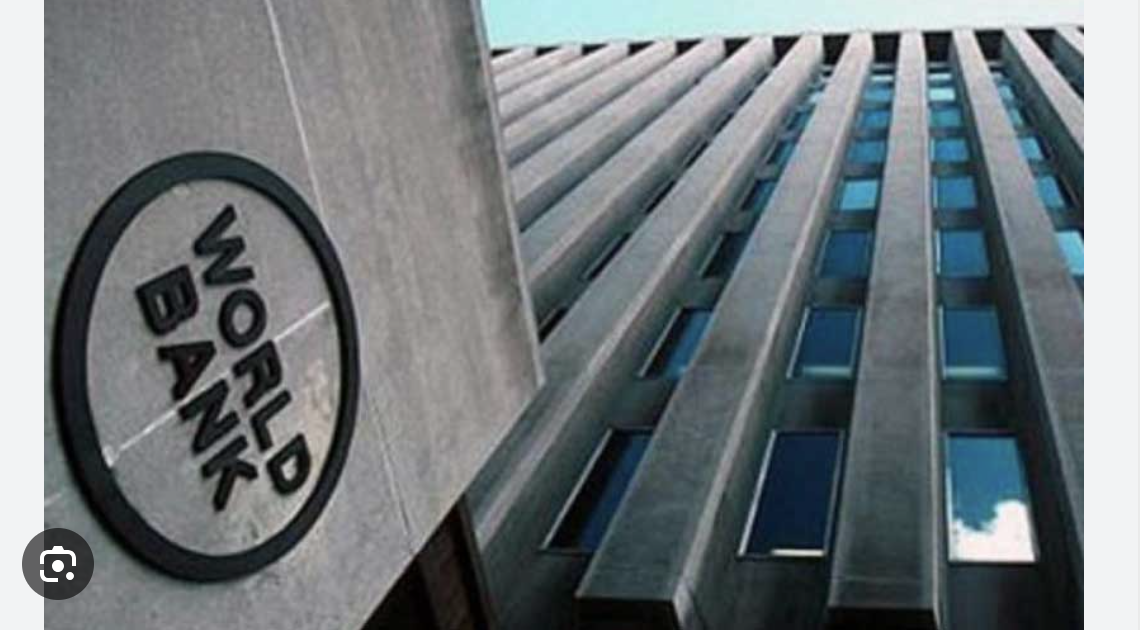
An energy economist, Professor Ken Ife, has strongly criticised recent recommendations by the World Bank urging Nigeria to deepen fuel importation and fully liberalise its downstream petroleum sector, describing the advice as “ill-timed, backward and inconsistent with Nigeria’s own laws.”
Speaking during a televised interview on Nigeria’s economic outlook, Ife argued that while parts of the World Bank’s latest Nigeria Development Update were analytically sound, its position on fuel importation undermines the country’s push for energy independence and local refining capacity.
“You cannot come to a country that is struggling and has suddenly developed a vision of becoming economically independent, and then advise it to reverse course and start importing again,” he said.
According to him, such recommendations run contrary to the provisions of the Petroleum Industry Act (PIA), which prioritises domestic crude supply for local refiners under the Domestic Crude Obligation framework.
“The law is very clear; priority must be given to local refining capacity. Advising Nigeria to abandon that and return to import dependence is not only against government policy but against the PIA law itself,” Ife stressed.
He warned that increased importation would expose Nigeria to global supply shocks, drain foreign exchange reserves and weaken ongoing investments in domestic refining, particularly at a time when private sector players are scaling up capacity.
“We are building refining capacity that will exceed local demand and position Nigeria as an energy exporter. How can anyone recommend that we abandon this and return to reckless importation?” he queried.
The economist further described the recommendation as lacking empirical grounding.
“This conclusion was parachuted into an otherwise strong report. There is no evidence to support telling Nigeria to depend on imports when major refining countries are restricting exports,” he said.
While acknowledging the World Bank’s accurate assessment of Nigeria’s macroeconomic trends such as GDP growth projections and sectoral performance. Ife maintained that its stance on fuel policy could worsen economic conditions.
On inflation and cost of living, he argued that Nigeria’s challenges are not due to a lack of resources but policy inconsistencies in implementing domestic supply frameworks.
“Fuel price pressures in Nigeria are largely contrived. If local refiners are given crude at the terms stipulated by law, they will stabilise prices and reduce volatility,” he explained.
He also took issue with the Bank’s push for expanded social safety nets funded through borrowing, warning that such measures contradict Nigeria’s fiscal laws.
“Social safety nets are necessary, but you don’t borrow to share money. The law allows borrowing for capital projects and human development, not consumption. If support is needed, let it come as grants, not loans,” he said.
Professor Ife concluded that Nigeria’s long-term economic stability lies in reducing import dependence and strengthening local value addition across sectors.
“The sustainable path is clear; develop local refining, expand processing capacity and build economic sovereignty. Exporting raw materials and importing finished products only exports jobs and imports poverty,” he added.
It should be recalled that the World Bank’s recommendations have sparked renewed debate over Nigeria’s fuel policy, with critics warning that increased importation could undermine recent gains in local refining and expose the economy to external shocks.


Two UNICAL graduating students d!e in road crash enroute to Calabar for convocation ceremony

Extended interview: Sen. Dave McCormick on AI

NAF probes civilian casualties in Borno–Yobe airstrike

Lagos Police confirm k!lling of man by unknown gunmen in Surulere

Police arrest suspect over fake job interview robbery in Lagos

US, Iran Fail To Reach Deal In Islamabad Talks

Man raises alarm as passengers crowd train tracks while Blue Line approaches in Lagos

 Breaking2 weeks ago
Outrage as video of secondary school students in Benue state str!ping their classmate surfaces online
 News2 weeks ago
I Joined A Cult, Worked So Hard For Demons – Tonto Dikeh Confesses While Ministering (Video)
- News2 weeks ago
Heartbreaking Story Of 300-Level Ekiti University Student Who Was K!lled After Truck Crashed Into His Building (Video)
- National2 weeks ago
Environmental Sanitation: Lagos meets with LG, LCDA bosses
- Breaking1 week ago
Mother Abandons 4 Children with Neighbor and Disappears for Months — Shocking Case Raises Questions
- News2 weeks ago
WAEC Releases 2026 WASSCE Timetable (Full List)
- Breaking2 weeks ago
Singer Flavour shows off Italian woman and vows to shower her with so much love that she’ll have no choice but fall in love (video)
- World4 days ago
Trump LIVE: Iran war bombshell as Trump could be 'removed from Presidency'