News
World Bank warns oil prices surge may raise Nigeria’s inflation by 3.1

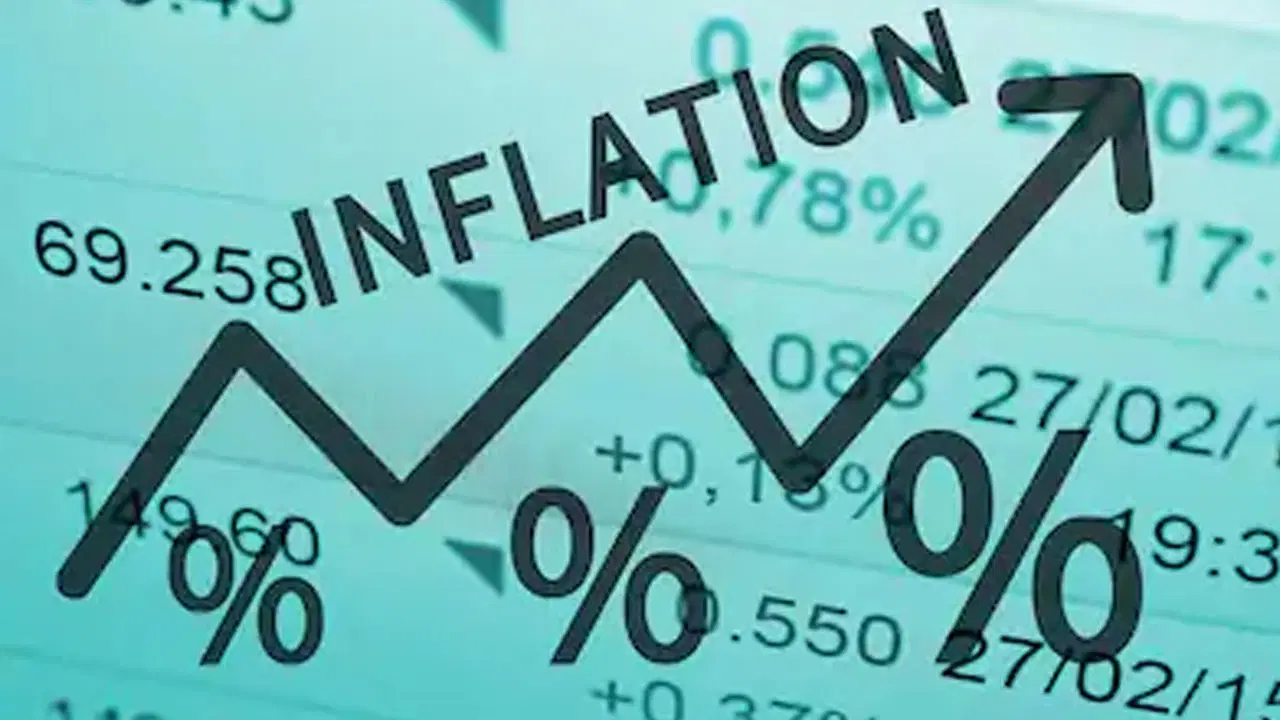
The World Bank has cautioned that the ongoing surge in global oil prices could directly increase Nigeria’s headline inflation by about 3.1 percentage points, as higher fuel costs ripple through the economy.
In its latest Nigeria Development Update released in Abuja, the Bank highlighted distortions in the downstream sector, noting that imported petrol is currently about 12 percent cheaper than fuel supplied by the Dangote Refinery. As of March 23, 2026, the refinery raised the ex-depot price of Premium Motor Spirit (PMS) to ₦1,275 per litre compared to an import-parity price of ₦1,122 per litre.
The report linked the price surge to global crude oil increases following the Middle East conflict, with oil trading around $80 per barrel—31 percent higher than pre-conflict levels. The Bank warned that indirect effects on transport, logistics, and food prices could push inflation even higher, given that energy-related components account for over 10 percent of Nigeria’s Consumer Price Index basket.
World Bank Country Director for Nigeria, Mathew Verghis, said while macroeconomic fundamentals have improved since 2023 reforms, rising energy costs and shipping expenses are already filtering into domestic prices. He noted that petrol and diesel prices rose sharply in March, stressing that reducing inflation remains central to improving living conditions.
Lead Economist Fiseha Haile added that although Nigeria’s economy has shown resilience, inflation risks remain significant. He pointed to improvements in reserves, exchange rate stability, and fiscal revenues but cautioned about weaker capital inflows and tighter global financing conditions.
Finance Minister Wale Edun said Nigeria is better positioned to absorb external shocks due to prior reforms, citing increased crude production at 1.4 million barrels per day and redirected revenues from NNPC deductions. He emphasized the need for private investment to complement government efforts in reducing poverty.
Central Bank Deputy Governor Muhammad Abdullahi reiterated that inflation management remains a priority, describing high inflation as “the biggest tax on the poor.”
Beyond macroeconomic concerns, stakeholders including state officials and policy experts stressed the importance of early childhood development as a structural priority for long-term growth, warning that neglecting it could undermine Nigeria’s future prosperity.







Last surviving child of 48th Ooni of Ife dies at 102

Ekiti APC Set For Direct Primaries Where Consensus Fails

Nigerian bizman, John Kelechi Ekuma, wanted by EFCC over fraud

Nigeria will be in free fall if NBA fails to compel Amupitanâs resignation – Pat Utomi

Nigeria is strong to withstand shock and gains of war in Iran – Wale Edun
Atiku Joins ADC Protest In Abuja (Video)

ADC Crisis: ‘No cause for alarm,’ David Mark tells Nigerians

 News1 year ago
Abiodun attracts battle line: Ogun gained’t cede Ode-Omi, Makun to Lagos, Ondo
- News1 year ago
Engr. Sheriff Daramola Elected as fifteenth President of IFMA Nigeria Chapter
- Business1 year ago
Marketsquare expands with two new shops in Lagos
- Business1 year ago
MTN implements 50% tariff hike, raises knowledge costs
- Business1 year ago
MDAs should prioritise capability constructing in public service reforms – BPSR DG
- Politics12 months ago
Yobe gov not becoming a member of coalition — Aide
- Business11 months ago
GTCO Shareholders Approve N8.03 Per Share Dividend Payout
- Business1 year ago
The Rabiu Impact: Why Energy and Status Patronize BUA Boss