Breaking
Labour set to renegotiate national minimum wage in July

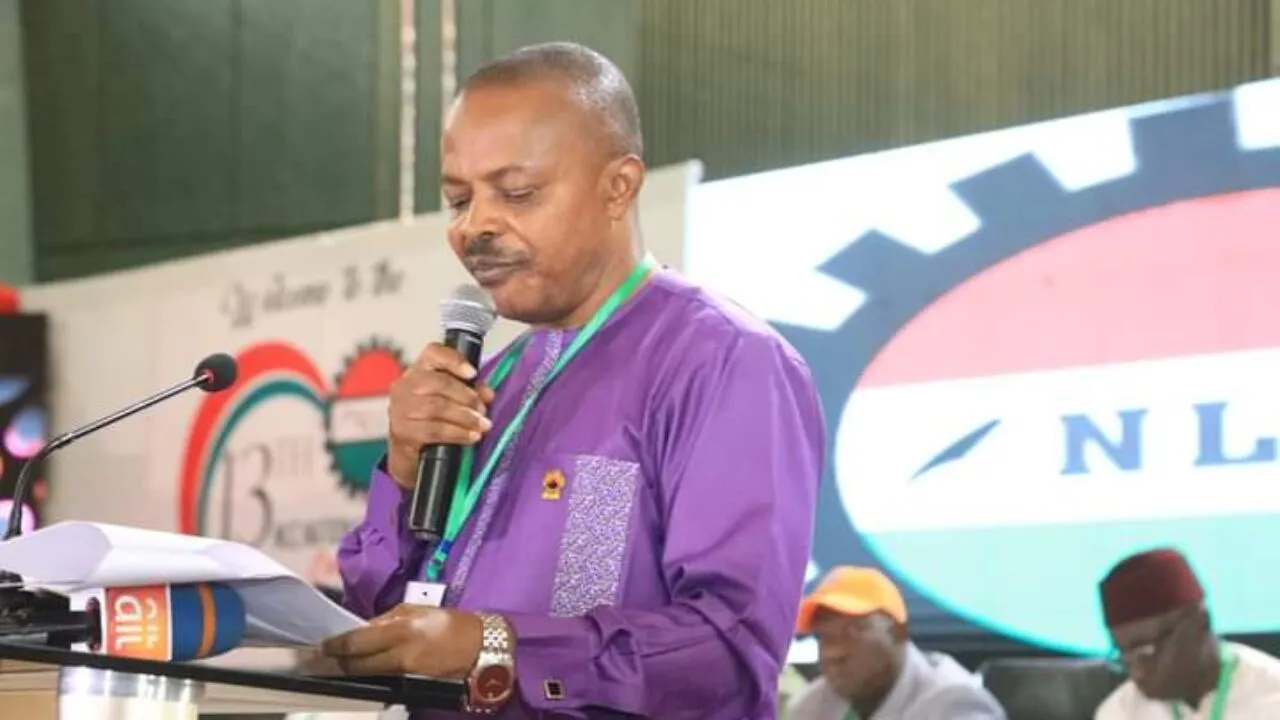
Organised Labour says the process for renegotiating the National Minimum Wage will commence in July 2026.
The Nigeria Labour Congress, NLC, and the Trade Union Congress, TUC, said this at the 2026 May Day celebration on Friday in Abuja with the theme,” Insecurity, Proverty- Bane of Decent Work.”
Joe Ajaero, President of the NLC said that the move was aimed at preventing delays experienced during previous wage negotiations.
Mr Ajaero urged workers to unite in demanding a living wage that reflected prevailing economic realities across the country.
“Unity remains essential as negotiations approach, as fragmentation would weaken workers’ bargaining power.
“As wage talks near, labour warns that division will undermine workers’ collective strength.
“Labour insists unity is critical ahead of negotiations, stressing that a divided movement cannot win fair outcomes,” he said.
The NLC president demanded that workers received 100 per cent of their basic salaries from July 2026 pending conclusion of negotiations.
He added that the demand was to cushion the effects of the current economic hardship facing Nigerian workers.
He also reaffirmed its commitment to defending workers’ rights and advancing their welfare nationwide.
Mr Ajaero said that Nigerian workers must remain united in confronting challenges affecting their livelihoods and dignity.
He added that unity remained essential as negotiations approach, noting that fragmentation would weaken workers’ bargaining power at a critical moment.
Also, speaking Festus Osifo, President of the TUC, said there was need for strengthened social dialogue platforms, including revitalisation of the National Labour Consultative Council.
According to him, labour administration reforms are also necessary to ensure fairer and more effective industrial relations in Nigeria.
Osifo warned against continued violations of labour laws by some employers and urged strict enforcement of existing regulations.
He expressed concern over refusal by some state governments to fully implement the 2024 National Minimum Wage Act.
He said that such actions undermined workers’ welfare in spite of improved government revenues in several states.
The TUC president called for accountability and compliance from both public and private sector employers.
Mr Osifo however, condemned interference in union affairs, including attempts to impose parallel leadership structures.
He described such actions as threats to the autonomy and stability of trade unions in the country.
He reaffirmed its readiness to intensify engagement with employers to protect workers’ rights across all sectors.
NAN


Why There Are No ‘Christian Terrorists’ – Ex-US mayor, Mike Arnold

TUC demands equal retirement policies of 65 yrs, 35 yrs in service

NDLEA, Customs deepen inter-agency synergy against drug trafficking

7,000-year-old DNA in Morocco reveals origins of North African farming

INEC okays Baba-Ahmed as PRP chairman, updates portal after Abuja convention

Improve Nigeria’s image abroad, Tinubu tells new envoys
Improve Nigeria’s image abroad, Tinubu tells new envoys

 News1 day ago
Explainer: What Supreme Court ruling means for ADC, INEC deadline
- Breaking18 hours ago
Abducted Kaduna woman returns with pregnancy after being repeatedly r@ped and beaten by bandits during her five-month captivity

 World3 days ago
Texas daycare accused of H-1B scam; visas tied to unrelated job roles
- World2 days ago
Trump and Iran issue fresh warnings as standoff continues
- Breaking1 day ago
Two suspects arrested over viral video of Kogi kidnapped victims being flogged in captivity
- Breaking23 hours ago
Anglican Church suspends Anambra priest for performing fake miracles and delivering false prophecies
 News2 days ago
N’Assembly pushes bill to strengthen food security
- World9 hours ago
Powerful blast sends NYPD officers into the air