World
Putin humiliated as Ukraine turns the tide amid Russian war economy meltdown

Russia is facing mounting economic and military pressure as Ukraine records fresh battlefield gains and fuel shortages deepen inside Crimea, according to new analysis and official data.
Warnings from financial officials and central bank sources suggest Moscow’s budget deficit could widen significantly if defence spending continues at its current pace, Bloomberg has reported.
The concerns come as Ukraine’s armed forces make incremental advances on the frontline, while Russia continues to suffer near-daily attacks on its energy infrastructure.
Russia’s Finance Ministry and central bank have reportedly modelled scenarios in which the national budget deficit expands sharply if military expenditure is maintained at wartime levels.
Officials have warned privately that defence spending may need to rise further this year to cover a funding gap potentially reaching around three trillion rubles (£31bn), according to sources familiar with internal discussions.
However, other policymakers have argued for cuts elsewhere in the budget, warning that Russia’s stretched finances are becoming increasingly difficult to sustain.
Finance Minister Anton Siluanov has separately stressed the need for restraint in public spending, warning that “reserves are not endless”.
What is happening on the frontline in Ukraine?
Analysis from the Institute for the Study of War (ISW) indicates Ukraine regained more territory than it lost in May, resulting in a net gain of around 282 square kilometres (109 square miles), reports the Daily Mail.
It marks a continuation of a recent trend in which Russian advances have slowed, with Kyiv claiming improved effectiveness in drone and mid-range strikes.
Ukraine’s gains remain limited in absolute terms, but analysts say they point to a gradual shift in momentum in parts of the eastern and southern frontline.
Russia has continued to carry out heavy missile and drone attacks across Ukraine, with reports of civilian casualties and infrastructure damage.
Why is Crimea facing fuel shortages?
Authorities in Russian-occupied Crimea have urged residents not to panic amid long queues at petrol stations and restrictions on fuel sales.
The shortages have been linked to Ukrainian drone strikes targeting Russian-controlled energy infrastructure, disrupting supply routes to the peninsula.
Officials have introduced fuel coupons and limits on the sale of higher-grade petrol, including Ai-95, in an effort to manage supplies.
Local residents reported being unable to access fuel for days, with queues forming at filling stations in Sevastopol.
Russian-installed authorities described the measures as temporary and said supplies were being replenished.
Are Russia’s finances under long-term pressure?
Economic data suggests Russia’s budget deficit has already reached elevated levels, despite higher oil revenues linked to global energy volatility.
The deficit for the first four months of the year reached 5.9 trillion rubles, or around 2.5% of GDP, according to official figures.
Analysts warn that even elevated oil prices would not fully resolve structural pressures unless they remain above $100 per barrel for a sustained period.
Russia’s economy is also operating under the weight of Western sanctions, reduced reserves in its National Wealth Fund, and rising inflationary pressures linked to wartime spending.
The Economy Ministry has cut growth forecasts to just 0.4% this year, down sharply from earlier projections.
What does this mean for Vladimir Putin?
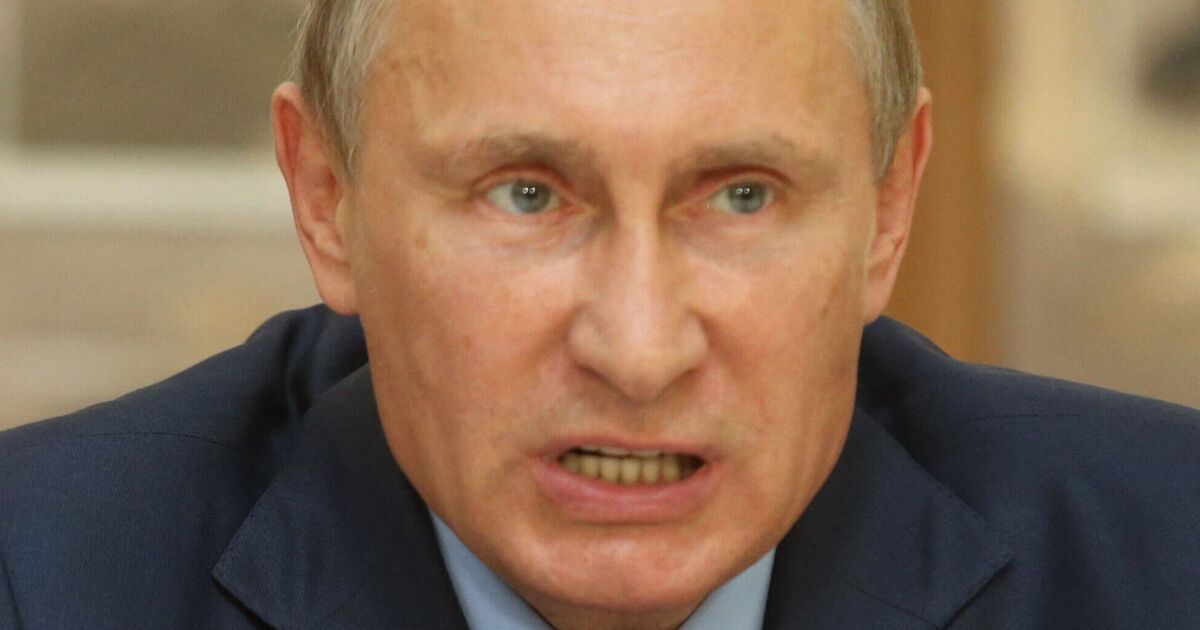
According to sources cited in Russian government discussions, President Vladimir Putin has been briefed on mounting fiscal pressures since last year.
Officials are now weighing difficult choices between maintaining military spending and stabilising broader economic conditions.
Disagreements have reportedly emerged between the Finance Ministry and defence officials over whether cuts can be made without undermining Russia’s war objectives.
At the same time, Ukraine’s continued strikes on Russian oil infrastructure and sanctions pressure are adding to concerns over long-term economic stability.


Four suspected h!tmen arrested in Lagos

Court temporary suspends coroner’s inquest into death of Chimamanda’s son
Court temporary suspends coroner’s inquest into death of Chimamanda’s son

Protesters clash with police in Southampton over Henry Nowak murder
Protesters clash with police in Southampton over Henry Nowak murder

Starmer to face PMQs after Mandelson files release lay bare splits in UK government
Starmer to face PMQs after Mandelson files release lay bare splits in UK government

 Breaking3 days ago
I received a threatening call simply because I spoke about Nigeria bleeding, Russian-born actress Fari Elysian reveals
- World9 hours ago
Pilot of fighter jet downed over Iran previously shot down in Kuwaiti incident
- Breaking2 days ago
Content creator Mark Angel weds again months after ex-wife did exposé on him and he admitted if he were his daughter he wouldn’t marry a man like himself (video)
- World3 days ago
Silence from the White House after Trump said he would make a "final determination" on Iran
- Breaking1 day ago
Young couple seen goofing around in prom video hours before the man k!lled the woman
- Breaking2 days ago
Father allegedly left baby daughter in bathtub filled with water while he scrolled on his phone in another room
- Breaking2 days ago
My 3rd wife attempted to st@b me, threatened to k!ll herself because I married a 4th wife – Man tells Oyo court
- World2 days ago
Iran issues horror threat to attack Israel as Trump's ceasefire collapsing