World
How 'roadless rule' protects drinking water for 25M Americans

This Video Is Trending Right Now
Nearly all drinking water in the United States starts somewhere in a forest, long before it reaches a tap. About 90% of Americans get their water from public systems, and a large portion of that water comes from forestlands, which means policies affecting forests also have an impact on water. According to a new study published in the journal PLOS, the Trump administration’s expected repeal of the ‘Roadless Rule’ could impact the drinking water supply for an estimated 25 million Americans.
How the ‘Roadless Rule’ protects Americans’ drinking water
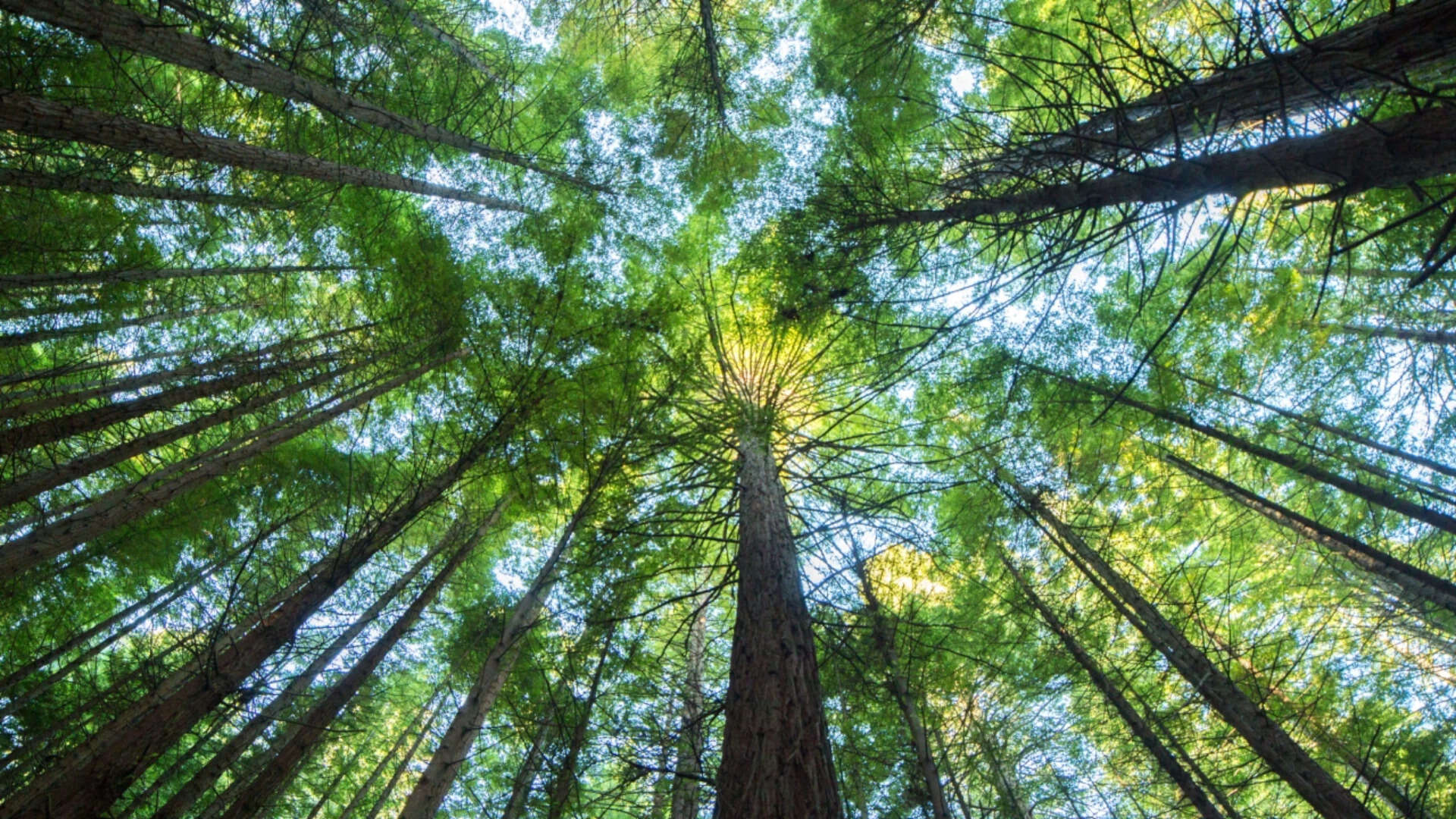
The Roadless Area Conservation Rule, signed by the Clinton administration in 2001, put roughly 60 million acres (243,000 square kilometres) of national forest off limits to development, curbing industrial timber harvest and preserving forest ecosystems. Though the rule was popular with the public, it drew immediate criticism from timber and related industries. Last summer, the federal government moved to rescind it. Researchers at the University of Washington and Conservation Science Partners investigated exactly what that would mean for the water flowing out of those forests.“The roadless rule supports the drinking water supply for 25 million Americans and offers critical protection of wildlife habitat and recreational assets. In short, rivers in roadless areas are essential for both people and nature,” lead author Julian Olden, a UW professor of aquatic and fishery science, said in a statement.
Rivers depend on roadless land
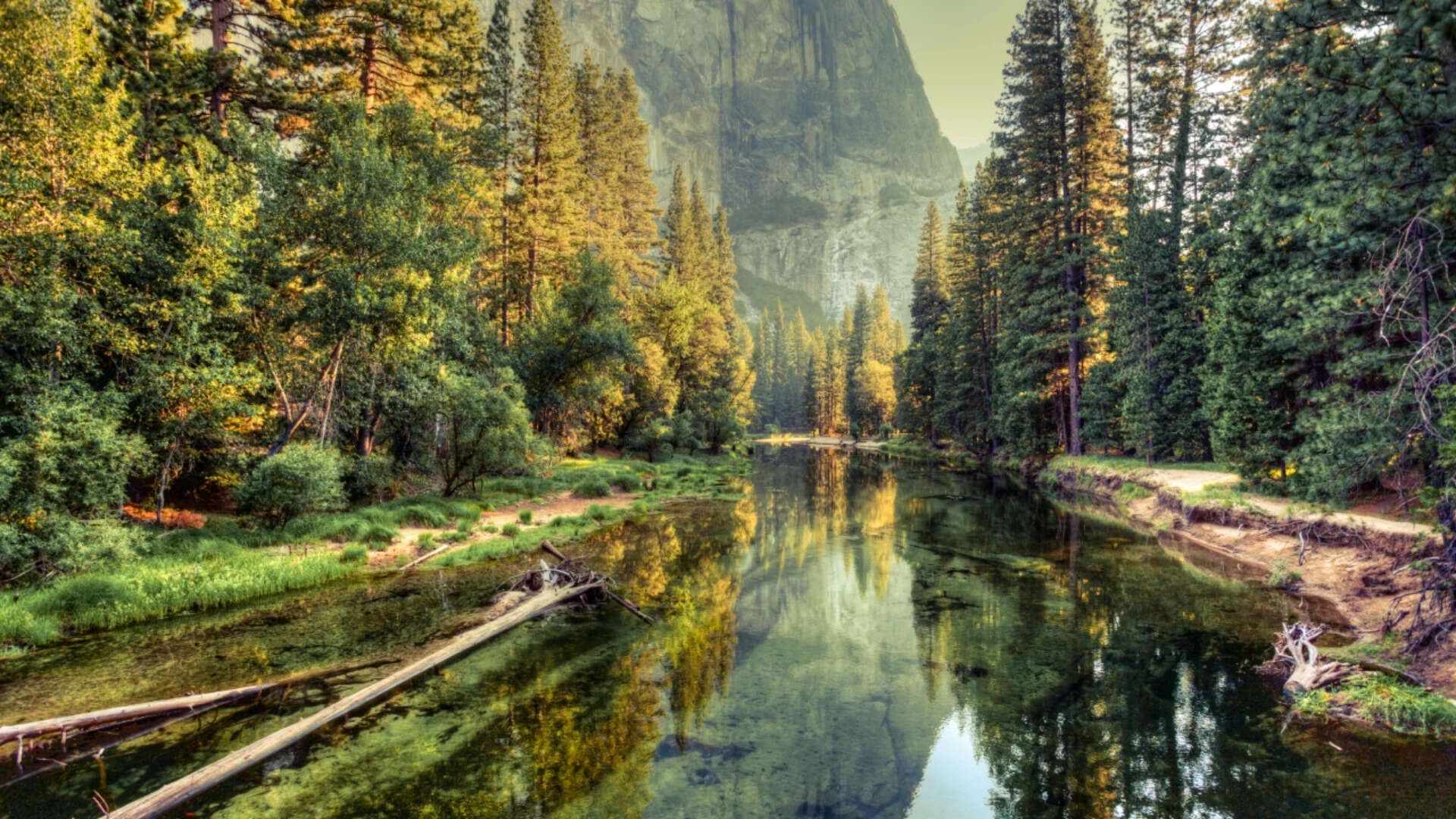
The researchers examined nearly 110,000 square miles of national forest across 2,488 officially designated ‘roadless areas’. They then layered that map against a recent study assessing river protections nationwide to understand exactly where the two overlapped. What they found was a much bigger footprint than one may assume.The researchers found that more than 80,000 miles of rivers in the continental U.S. receive some benefit from the roadless rule. Strip away every other layer of protection, though, and nearly 62,000 of those miles are safeguarded by the roadless rule alone. Nothing else is backing them up. That water supply reaches 25 million people, many of them living far downstream from the forests. The study also found that these forest lands provide higher-quality water, as soil microbes and plant roots remove contaminants before it ever reaches a treatment facility. This means utilities spend less money and use fewer chemicals to clean it. Some water utilities have started investing directly in watershed protection for exactly this reason.“Forest cover is well recognised for generating economic benefits by avoiding the large capital costs of water treatment plants needed to ensure clean, safe drinking water for people,” Olden said.
A home for sensitive aquatic species
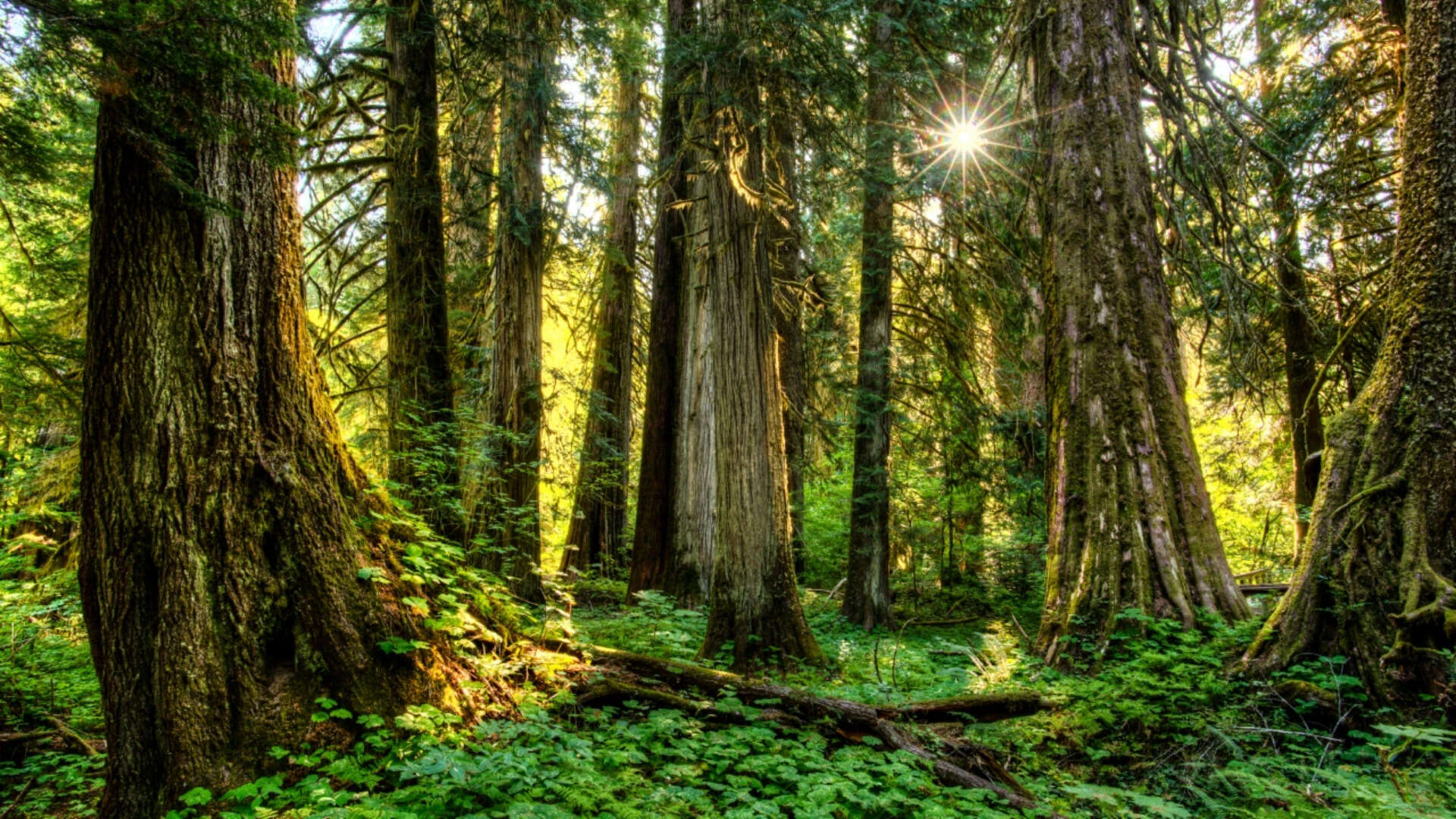
The researchers also noted that these roadless areas are vital strongholds for sensitive aquatic species. Species such as bull trout, which are at risk, depend on these protected areas to spawn and raise young. Hunters and anglers also value roadless areas because they support productive fish and wildlife habitats and offer unparalleled opportunities for outdoor recreation.After Brooke Rollins, the U.S. Secretary of Agriculture, announced the plan to rescind the roadless rule last year, more than half a million comments came in and, according to the Center for Western Priorities, over 99% of them opposed the rollback.Later, Republican lawmakers tried folding the rescission into the Wildfire Prevention Act, arguing that opening roadless land to development would help with fire management. Most scientists disagree. Roads through previously untouched forest tend to raise fire risk rather than lower it.“To be clear, the rule does not block any management action that supports forest health, wildfire mitigation or recreation. In fact, energy projects, transmission lines and mining development remain permitted within roadless areas,” Olden said.Building roads and logging can contribute to sediment build-up in lakes and rivers, which must then be filtered out. Chemicals from construction can also end up in the water supply. This may further compromise water quality in the U.S., among other negative consequences for animals and ecosystems, the researchers said.The U.S. Forest Service says it is still working through the public comments and expects to release a proposed rule and draft environmental impact statement sometime this year. But the findings are clear: “Any decision to rescind or downgrade the roadless rule that may put forested lands at risk requires careful consideration of the numerous benefits they offer to people and nature. Our study offers data to inform such decisions,” Olden concluded.


Electricity: Nigerian Govt focused on addressing supply gap – Minister

Mary Habila’s Death: NANS slams Northern group calling for Umahi’s removal, says autopsy necessary

Davido Lights Up Ogun First Lady’s 60th Birthday Celebration

Councilwoman shot, husband killed in Mexico near U.S. border

Danish police officer and two others shot, including ‘perpetrator’ – report

Africa Moves to Close Billion-User Internet Gap

Iran carries out strike near Al-Tanf base in Syria, says Revolutionary Guards

 Society2 days ago
35-Year-Old Man Breaks Down In Tears Like A Baby At Roadside After Wife Reportedly Goes Missing At Kasoa Market
- Investigation2 days ago
Suspected ISWAP logistics supplier arrested with food items bound for terrorists in Borno
- News2 days ago
Retiree’s Pension Jumps From N18,000 To N206,000 After Government Reform
- National2 days ago
JUST IN: Senate to give N10million each to families of security operatives, teachers killed in Oriire rescue
- Investigation2 days ago
R Kelly officially asks President Trump to end his 30-year prison sentence for s 3x crimes
- National1 day ago
2026 Ballon d’Or: Top 4 players to win award ahead of World Cup final
- Investigation2 days ago
âThereâs nothing more absurd than the âEmi Lokanâ sloganâ â Falz knocks slogan of current administration
- Investigation3 days ago
âHow do you tell a 13-year-old girl you like her?â â Lady confronts man over alleged advances towards her younger sister