World
Iceland heats every home using energy from volcanoes, and almost all of its electricity comes from renewable sources, making it one of the world's cleanest energy systems

This Video Is Trending Right Now
For most countries, volcanoes represent danger, destruction and uncertainty. In Iceland, they are also one of the nation’s greatest assets. Sitting atop one of the world’s most geologically active regions, the Nordic island has spent decades harnessing the heat beneath its surface to warm homes, generate electricity and reduce its dependence on fossil fuels. Today, around 90% of Icelandic homes are heated using geothermal energy, while nearly all of the country’s electricity comes from renewable sources, primarily hydropower and geothermal power. This remarkable transformation has made Iceland one of the world’s cleanest and most sustainable energy systems, offering lessons for countries seeking cleaner alternatives.
How Iceland turned volcanic heat into everyday energy
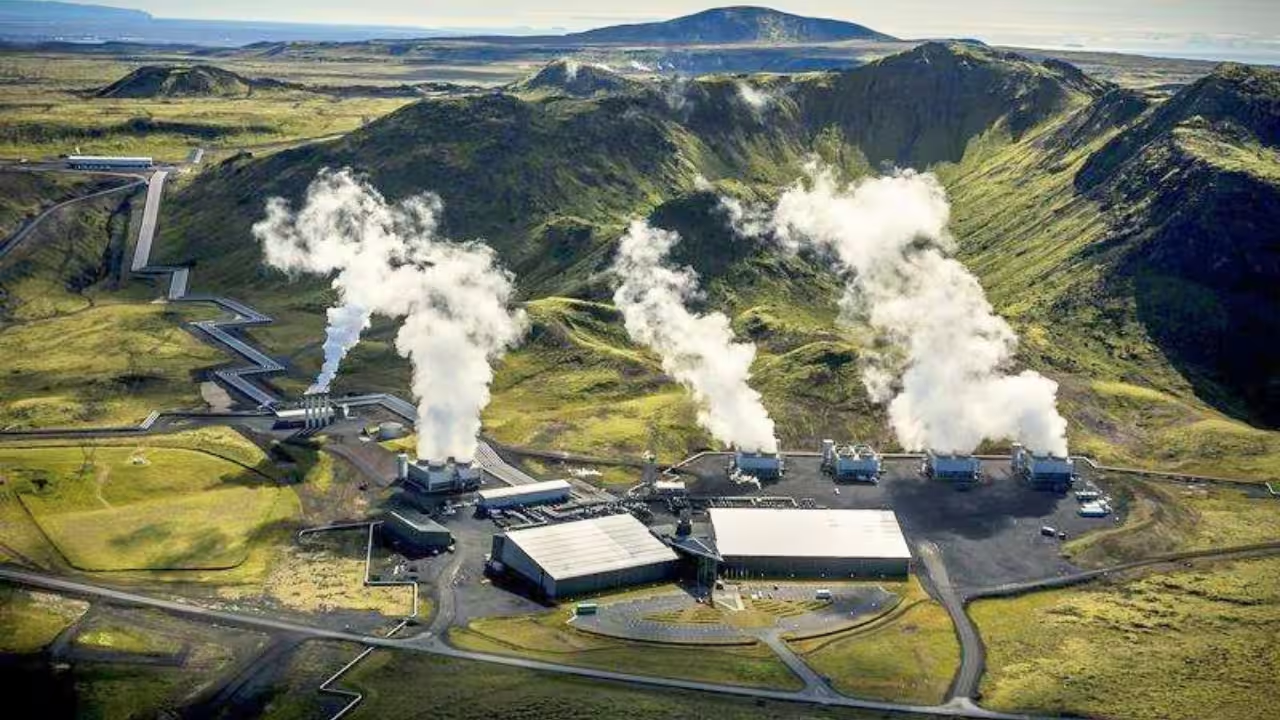
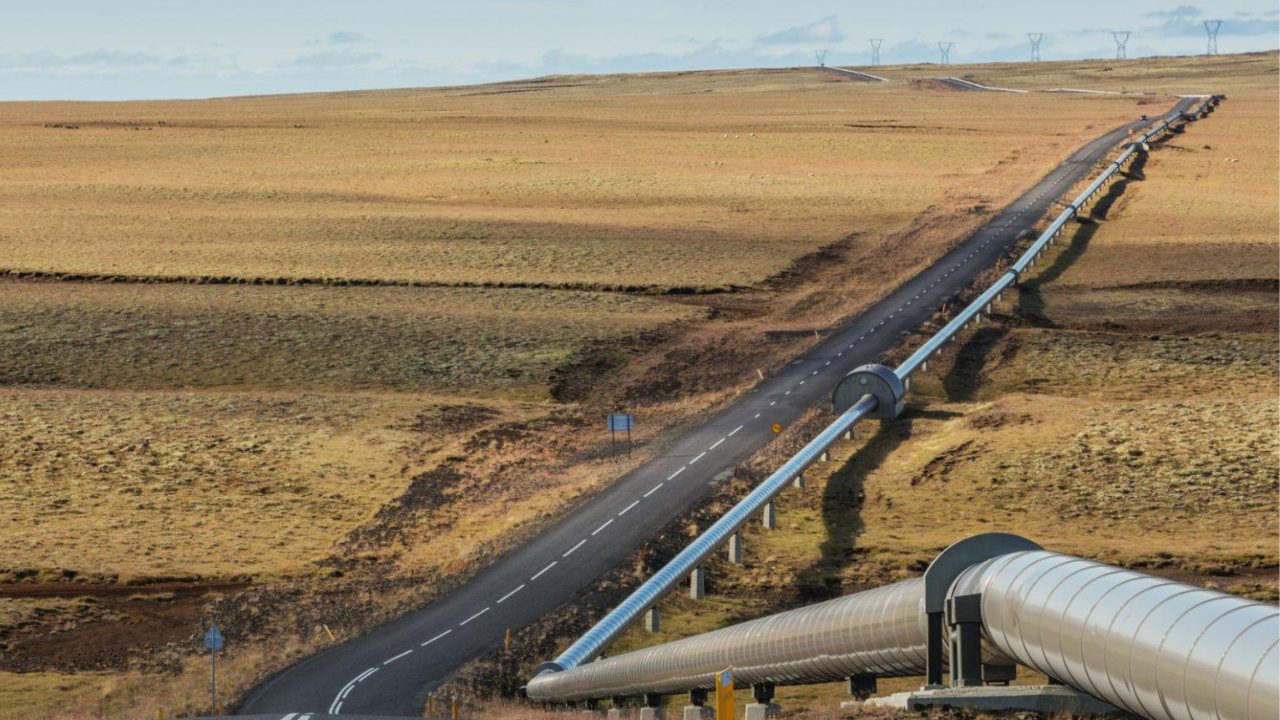
Iceland lies on the Mid-Atlantic Ridge, where the North American and Eurasian tectonic plates slowly drift apart. This unique location places magma relatively close to the Earth’s surface, creating hundreds of geothermal areas filled with naturally heated water and steam. Rather than allowing this underground heat to go unused, Iceland has invested heavily in geothermal technology for nearly a century.Engineers drill deep wells into geothermal reservoirs, where groundwater has been heated by volcanic activity. The hot water and steam are then brought to the surface and transported through an extensive network of insulated pipelines, supplying homes, schools, hospitals and businesses with reliable heat throughout the year.
How geothermal energy heats almost every home
Unlike countries where individual homes rely on gas boilers or electric heaters, most Icelandic communities are connected to district heating systems. Hot geothermal water flows directly from nearby power stations or geothermal fields into buildings, where heat exchangers warm indoor spaces and provide hot water for everyday use.Around 90% of Iceland’s homes are heated this way, making geothermal heating one of the country’s greatest environmental successes. The same naturally heated water also supplies public swimming pools, greenhouses, pavements designed to melt snow during winter and various industrial facilities.
Nearly all of Iceland’s electricity comes from renewable sources
Iceland’s electricity system is just as remarkable as its heating network. Nearly 100% of the country’s electricity comes from renewable energy, with roughly 70% generated by hydropower and 30% by geothermal power. Unlike many nations that still depend heavily on coal, oil or natural gas, Iceland’s electricity grid operates almost entirely without fossil fuels.The abundance of affordable renewable electricity has also attracted energy-intensive industries such as aluminium production and data centres, both of which benefit from stable supplies of low-carbon power.
A country shaped by geothermal innovation
Geothermal energy influences everyday life across Iceland in ways that extend far beyond household heating. Farmers use geothermal greenhouses to grow vegetables throughout the year despite the country’s cold climate. Fish farms rely on naturally heated water, while industries use geothermal steam for food processing and manufacturing.Perhaps the best-known example is the Blue Lagoon, a world-famous geothermal spa that was created using mineral-rich water from a nearby geothermal power plant, turning renewable energy into one of Iceland’s biggest tourist attractions.
Can other countries copy Iceland’s success?
Iceland’s energy model is possible largely because of its exceptional geology. Few countries have such abundant geothermal resources located so close to the Earth’s surface. Nevertheless, Iceland has become a global leader in geothermal expertise, helping countries including Kenya, Indonesia, Japan and the United States develop their own geothermal projects where suitable underground conditions exist.While not every nation can replicate Iceland’s exact system, many can apply its long-term approach to investing in renewable energy, modern infrastructure and cleaner alternatives to fossil fuels.
A global example of clean energy
Although Iceland still uses imported fossil fuels in sectors such as aviation, shipping and parts of road transport, its electricity generation and home heating systems rank among the cleanest in the world. By transforming the natural heat beneath its volcanoes into a dependable source of energy, Iceland has shown how geography, innovation and decades of planning can create a low-carbon future. Today, it stands as one of the world’s leading examples of how renewable energy can power both everyday life and long-term sustainability.


Akpabio Reacts to Viral Video Allegedly Involving Oshiomhole

Mercury is the closest planet to the Sun yet Venus is hotter; thanks to a runaway greenhouse effect

BREAKING: Gbajabiamila sues PFIPC’s Adeniyi Adeyemi for N15bn over defamation

BCDA: Tinubu should resign – Atiku reacts as Wike’s ally refuses to vacate seat after removal

Students Warn Delta Over Rising Rent Crisis in Asaba

Mathesis Analytics secures investment to scale AI-powered credit infrastructure across Nigeria

Canadian wildfire smoke turns air hazardous in the US

 Society1 day ago
35-Year-Old Man Breaks Down In Tears Like A Baby At Roadside After Wife Reportedly Goes Missing At Kasoa Market
- National3 days ago
Gbajabiamila: I borrowed N400 million to buy appointment in Tinubu’s government, says Adeyemi
- Investigation1 day ago
Suspected ISWAP logistics supplier arrested with food items bound for terrorists in Borno
- Investigation2 days ago
Veterans demand â¦250,000 Minimum Wage for soldiers
- National1 day ago
JUST IN: Senate to give N10million each to families of security operatives, teachers killed in Oriire rescue
- Investigation21 hours ago
R Kelly officially asks President Trump to end his 30-year prison sentence for s 3x crimes
- Investigation3 days ago
Female teacher admits to having s£x with boy, 16, as she splits from husband who first exposed her misconduct.
- Investigation3 days ago
Twelve people arrested after âextreme right-wing terror threatâ against Islamic event in UK