World
10-day ceasefire agreed on by Israel and Lebanon goes into effect

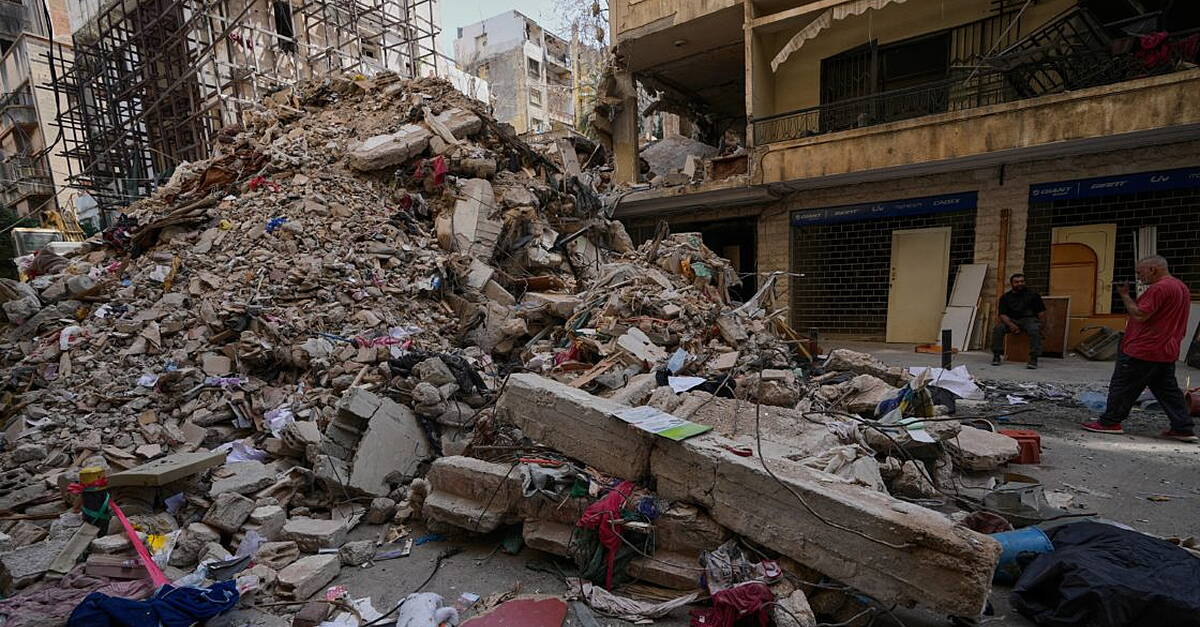
A 10-day ceasefire has begun in Lebanon which could pause fighting between Israel and the Hezbollah militant group and boost attempts to extend the ceasefire between Iran, the United States and Israel after weeks of devastating war.
US President Donald Trump announced the agreement as a ceasefire between Israel and Lebanon.
However, Israel has not been fighting with Lebanon itself, but rather with the Iranian-backed Hezbollah militants inside the country, who were not formally part of the agreement.
Barrages of gunshots rang out across Beirut as residents fired into the air just after midnight to celebrate the beginning of the truce.
Displaced families began moving towards southern Lebanon and Beirut’s southern suburbs, despite warnings by officials not to attempt to return to their homes until it became clear whether the ceasefire would hold.
Earlier, Israeli Prime Minister Benjamin Netanyahu said he agreed to the ceasefire “to advance” peace efforts with Lebanon, but said Israeli troops would not withdraw.
Israeli forces have engaged in fierce battles with Hezbollah in the border area as they pushed into southern Lebanon to create what officials have called a “security zone”.
Mr Netanyahu, in his address, said it will extend 10 kilometres (six miles) into Lebanon.
“That is where we are, and we are not leaving,” he said in a video message.
Hezbollah said that “Israeli occupation on our land grants Lebanon and its people the right to resist it, and this matter will be determined based on how developments unfold” – a stance that could complicate the ceasefire.
The US State Department said that according to the agreement reached between the two sides, Israel reserves the right to defend itself “at any time, against planned, imminent, or ongoing attacks”.

But otherwise, Israel “will not carry out any offensive military operations against Lebanese targets, including civilian, military, and other state targets”.
The wording suggested Israel would maintain the freedom to strike at will, as it did in the months following the ceasefire that ended the previous war.
This time, Hezbollah said it would respond to any strikes by Israel.
It is unclear when the one million people displaced by the war will be able to return.
Mr Trump posted the ceasefire announcement on his Truth Social platform.
The agreement came about following a meeting between Israel’s and Lebanon’s ambassadors in Washington and a flurry of subsequent phone calls from Mr Trump and US secretary of state Marco Rubio, according to a White House official.
The talks amounted to the first direct diplomatic talks between the two countries in decades.
Hezbollah had opposed direct talks between Lebanon and Israel.

Mr Trump spoke on Wednesday evening with Mr Netanyahu, who agreed to a ceasefire with certain terms, according to the official.
Mr Rubio then called Lebanon’s president, Joseph Aoun, who got on board.
Mr Trump then spoke with Mr Aoun, and again with Mr Netanyahu.
The State Department worked with both governments to formulate a memorandum of understanding for the truce.
Lebanon has insisted on a ceasefire to stop the fighting between Israel and Hezbollah before engaging in more talks, while vowing to commit to disarming the group.
Israel and Lebanon have technically been at war since Israel was established in 1948, and Lebanon remains deeply divided over diplomatic engagement with Israel.
Mr Trump also invited the leaders of Israel and Lebanon to the White House for what he said would be “the first meaningful talks” between the countries since 1983.
“Both sides want to see PEACE, and I believe that will happen, quickly,” he wrote.
Lebanon and Israel signed an agreement in 1983 saying Lebanon would formally recognise Israel, and Israel would withdraw from Lebanon.
The deal fell apart during Lebanon’s civil war and was formally rescinded a year later.
A Hezbollah official said the ceasefire was a result of Iran’s negotiations with the US, in which Iran had insisted Lebanon be included in its own ceasefire, and came about through efforts by mediator Pakistan.


Police officer arrested for armed robbery and m8rder of fuel attendant at filling station in Niger State

Nigeria has no immediate need for IMF support – Edun

BREAKING: Like Ronaldo, Lionel Messi Buys Spanish Club UE Cornella

President Trump announces 10-day ceasefire agreement between Israel and Lebanon

INEC adjusts Osun governorship election campaign period

What unfolded during the Iga Swiatek Alex Eala session? Viewers surprised when hot mic picked up Carol Vorderman discussion

Man allegedly poisoned co-worker’s shoes and water bottle over promotion

 Breaking2 weeks ago
Outrage as video of secondary school students in Benue state str!ping their classmate surfaces online
 News2 weeks ago
I Joined A Cult, Worked So Hard For Demons – Tonto Dikeh Confesses While Ministering (Video)
- News3 weeks ago
Heartbreaking Story Of 300-Level Ekiti University Student Who Was K!lled After Truck Crashed Into His Building (Video)
- National2 weeks ago
Environmental Sanitation: Lagos meets with LG, LCDA bosses
- News2 weeks ago
WAEC Releases 2026 WASSCE Timetable (Full List)
- Breaking2 weeks ago
Singer Flavour shows off Italian woman and vows to shower her with so much love that she’ll have no choice but fall in love (video)
- Breaking2 weeks ago
Mother Abandons 4 Children with Neighbor and Disappears for Months — Shocking Case Raises Questions
- World1 week ago
Trump LIVE: Iran war bombshell as Trump could be 'removed from Presidency'