Business
Fuel hike: Aviation stakeholders seek govt help to save 2026 Hajj

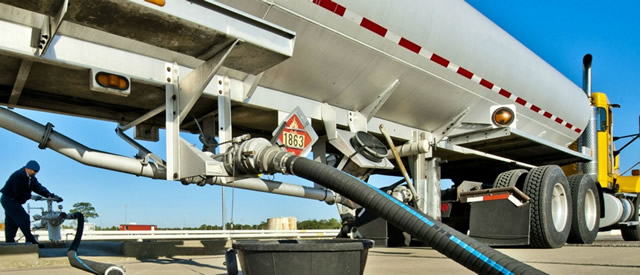
Aviation stakeholders have called on the Federal Government to urgently intervene in the rising cost of aviation fuel, warning that the situation could disrupt preparations and threaten the successful airlift of pilgrims for the 2026 Hajj exercise.
The Concerned Aviation Stakeholders President, Bukalti Gamawa, made the appeal in a statement on Sunday, saying the sharp increase in Jet A1 fuel prices now poses a serious threat to the planned airlift of thousands of Nigerian pilgrims to the Kingdom of Saudi Arabia.
He explained that the ongoing conflict involving the United States of America, Israel and Iran has driven up global oil prices, affecting economies and businesses worldwide.
In Nigeria, the aviation industry has recorded more than a 300 per cent increase in aviation fuel prices, forcing some airlines to cut operations, while others have warned they may suspend services.
Reacting, the aviation stakeholders urged immediate action to rescue the 2026 Hajj operation from what they described as one of the toughest logistical and financial crises in recent times, caused by the rising cost of aviation fuel.
The stakeholders stated, “Many of the airlines contracted for the 2026 Hajj operations are expected to lease aircraft to meet capacity demands. With the current fuel price increase on both legs, much of their projected profit margin has already been wiped out.
“In some cases, airlines may end up operating at break-even or even at a loss, effectively flying ‘for free’ after covering lease and operational expenses. If urgent action is not taken, some airlines may find it financially impossible to even commence operations from Nigeria or sustain return operations from Saudi Arabia.”
The group’s president noted that although the Federal and State Governments no longer subsidise Hajj operations, stakeholders say urgent policy actions—such as price regulation, forex support, or special fuel arrangements—are needed to avert a crisis.
Gamawa warned that without immediate intervention from government, regulators, airlines, and marketers, the 2026 Hajj could face record-high fares or even operational disruptions.
The statement read, “In simple terms, the soaring cost of Jet A1 on both the Nigerian and Saudi sides is the clearest reason why Hajj fares are expected to rise sharply in 2026. When Hajj contracts were negotiated and signed, Jet A1 was selling at approximately ₦1,000 per litre in Nigeria, while the average price on the Saudi side was around $0.68 per litre.
“Airlines structured their fares, logistics, and operational plans around these benchmarks. Today, however, the situation has changed dramatically. Across major departure points such as Abuja, Kano, Lagos, Maiduguri, Yola, Sokoto, and Birnin Kebbi, Jet A1 is now being sold for as much as ₦3,000 per litre, representing a 200% increase from the original price used in contract projections.
“This sharp rise has placed airlines in a difficult financial position. If they are forced to absorb the increased fuel cost, many may be operating at a loss. If pilgrims are made to absorb it, Hajj fares will rise sharply. If government intervenes, it may require emergency support mechanisms despite the removal of Hajj subsidies in Nigeria.”
Gamawa explained that a single aircraft, which consumes about 70,000 litres of Jet A1 per flight on the Nigeria–Saudi route, would have cost about ₦70 million at the contract benchmark of ₦1,000 per litre, but now costs around ₦175 million at ₦2,500 per litre.
The statement continued, “Additional burden: ₦105 million per flight. At ₦2,800/litre: as in Maiduguri, Sokoto, Yola and Kebbi. Fuel cost = ₦196 million. Additional burden: ₦126 million per flight. This means the financial strain on airlines remains enormous, with serious implications for the overall cost of the 2026 Hajj operation.
“Even if the Nigerian government or local suppliers stabilise Jet A1 prices for the first leg of the Hajj operation from Nigeria to Jeddah or Medina, the second phase, which is the return flight from Jeddah back to Nigeria, remains a major unresolved challenge.
“The price of Jet A1 on the Saudi side has reportedly risen from around $0.68 per litre at the time the Hajj contract was signed to approximately $1.40 per litre now. That is more than a 105% increase in dollar terms. For airlines, this creates a double burden: outbound leg—high fuel cost in Nigeria (if not subsidised or discounted); inbound leg—high fuel cost in Saudi Arabia in U.S. dollars.
“Unlike Nigeria, where intervention may come through policy or local refinery arrangements, airlines lifting pilgrims back home from Jeddah must buy fuel at prevailing international market rates in foreign currency.”


Oyo rep vows to mobilise one million votes for Tinubu, declares senate bid

No New Vehicle Tax Announced – NRS Clarifies

Osimhen scores on return from injury as Galatasaray thrash Fenerbache

Monthly Sanitation: Lagos taskforce arrests 50 suspected miscreants over infractions
2027: ADC faction rejects Ibadan opposition summit

69 died on Lagos roads in Q1 2026 — LASTMA

2027: Wike-backed PDP disowns Ibadan summit, rejects coalition deal

 News3 days ago
Police recruitment: PSC, NPF announce dates for written examination
- Breaking2 days ago
Rapper, French Montana spends $200K on Chrome Hearts Jeans then realises he can’t wear it because of his religious beliefs
- World5 hours ago
Trump abruptly cancels peace talks with Iran in Pakistan: "We have all the cards"

 World2 days ago
Ronaldo has three final career dreams he must fulfil before retirement, Messi already has the first
- Breaking3 days ago
Terrorists k!ll butchersâ association leader and vigilante member in Katsina
- World3 days ago
Trump makes bombshell statement on ‘nuke attack against Iran’
- News3 days ago
Senate defends petition dismissals, probes pension dispute
- World3 days ago
U.S. soldier arrested after allegedly using Maduro capture knowledge to make big bets