World
'Large crocodile' mauls man in 20s at popular tourism spot in horror attack

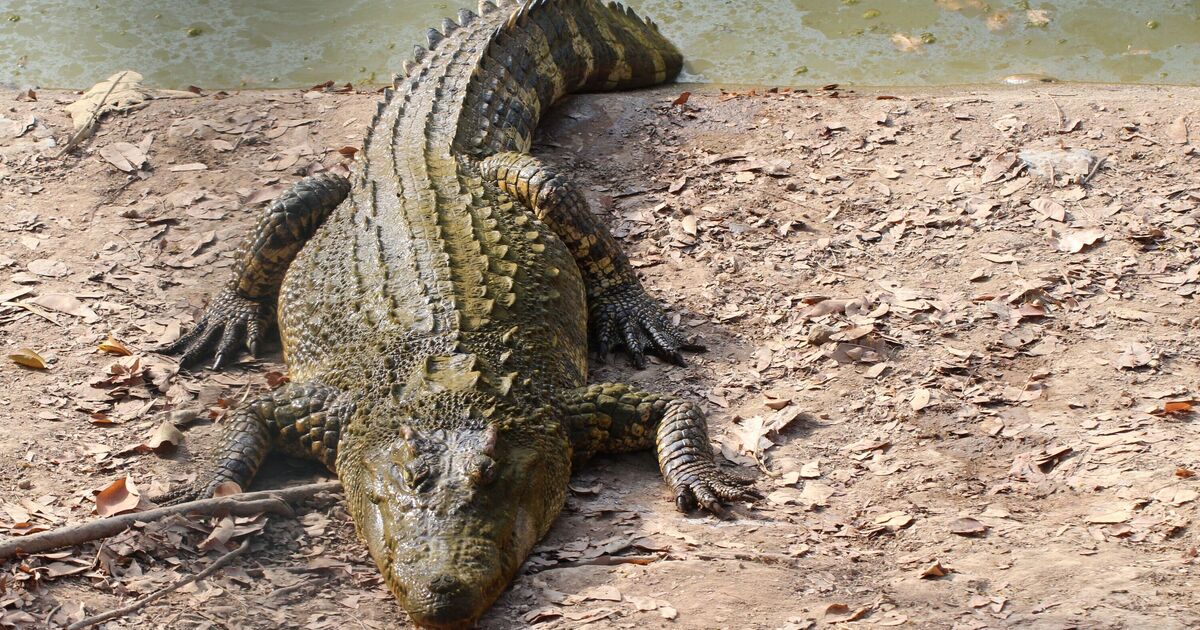
A massive crocodile has mauled a young man at a tourist hotspot in a horror attack that saw him rushed to hospital by plane.
The man, aged in his 20s, was mauled by the “large crocodile ” on Australia’s western coast on Saturday (April 18). The stretch of coast is popular among tourists – both within Australia and the around the world – for its long, untouched, white sandy beaches and beautiful scenery.
The horror mauling happened on a beach in the Kimberley, near Hidden Creek in Western Australia (WA) on the Dampier Peninsula, nearly 1300 miles north of the state’s capital of Perth. The spot is well known across Australia and the world for its long, untouched beaches.
The campground where the attack occurred is popular with tourists and is located about 31 miles north of Broome. The WA coast is teeming with tidal creeks, mangroves and rivers, making it a prime habitat for aggressive saltwater crocodiles.
The WA Country Health Service said the man was initially taken to Broome Hospital in a stable condition, before he was flown from Broome to Royal Perth Hospital on Sunday via the Royal Flying Doctor Service. The RFDS provides urgent or emergency medical aid to those in the farthest reaches of the Australian outback.
A spokesperson for the Department of Biodiversity, Conservation and Attractions told news.com.au that it was notified of the incident on Monday. The spokesperson added they are investigating the incident and had already been in touch with the man’s family.
The horror mauling marks the second crocodile attack reported in the Kimberley in less than five months. In January, a man survived an attack but suffered from severe lacerations across his body after an encounter with a three-metre saltwater crocodile near the remote La Djardarr Bay Community.
Saltwater crocodiles are common along the Kimberley coast and are known to inhabit beaches, creeks and tidal waterways. They are far more aggressive than their freshwater cousins, and can grow up to six metres in length. “Salties”, as they are called locally, reside along coast and near river mouths, while freshies prefer inland rivers and billabongs, or inland lakes and dams.
Salties are the world’s largest living reptile and are responsible for most croc attacks in Australia.
Over 600,000 British tourists visit Australia annually, with 2024 seeing over 605,000 arrivals, which was nearly an 8% increase from 2023. Nearly 80,000 Britons arrive via working holiday visas, as per to data from Camper Champ, with changes to the visa for young Brits resulting in a backpacker travel boom.
Crocodiles are among the oldest living reptiles in the world, with ancestral forms appearing over 200 million years ago and modern crocodilians emerging around 83.5 million years ago. They are considered living fossils, having survived the extinction event that killed the dinosaurs.


Osun 2026 – Hunters Group Seeks Adeleke’s Collaboration In Tackling Insecurity

Tourist survives box jellyfish sting from 'world's most venomous animal'

Vance to visit Pak for second round of peace talks as ceasefire deadline nears: Report

NATO fighter jets scrambled after Russian planes 'violate' airspace

CBN tightens grip as interbank deficit hits N4.1tn

Police foil armed robbery attack, recover gun in Niger

Credit Direct, Vivo Partner To Finance Smartphone Access

 Breaking3 weeks ago
Outrage as video of secondary school students in Benue state str!ping their classmate surfaces online
 News3 weeks ago
I Joined A Cult, Worked So Hard For Demons – Tonto Dikeh Confesses While Ministering (Video)
- News3 weeks ago
Heartbreaking Story Of 300-Level Ekiti University Student Who Was K!lled After Truck Crashed Into His Building (Video)
- National3 weeks ago
Environmental Sanitation: Lagos meets with LG, LCDA bosses
- Breaking3 weeks ago
Singer Flavour shows off Italian woman and vows to shower her with so much love that she’ll have no choice but fall in love (video)
- News3 weeks ago
WAEC Releases 2026 WASSCE Timetable (Full List)
- Breaking2 weeks ago
Mother Abandons 4 Children with Neighbor and Disappears for Months — Shocking Case Raises Questions
- World2 weeks ago
Trump LIVE: Iran war bombshell as Trump could be 'removed from Presidency'