News
NRC prioritises mental well-being, workplace safety

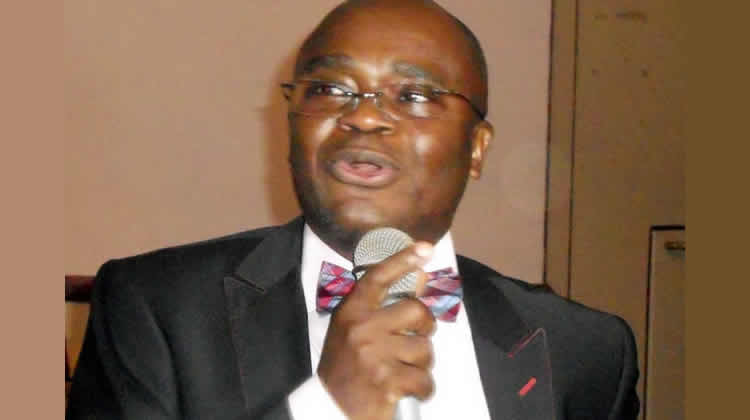
The Nigerian Railway Corporation reaffirmed its commitment to staff welfare and workplace safety as it joined the global community to mark the World Day for Safety and Health at Work.
In a statement signed by the NRC’s Chief Public Relations Officer, Callistus Unyimadu, the Managing Director of the corporation, Kayode Opeifa, described this year’s theme, “Good psychosocial working environments: A pathway to thriving workers and strong organisations”, as timely and relevant to its operations.
Addressing workers across the country, including train drivers and administrative personnel, Opeifa highlighted the demanding nature of railway operations and the shared responsibility of employees in ensuring passenger safety.
According to the statement, workers across standard gauge routes such as Lagos-Ibadan, Abuja-Kaduna, and Warri-Itakpe, as well as narrow gauge lines including Port Harcourt-Aba, Lagos-Kano, Lagos-Ogun, and Jos-Kuru, play critical roles in maintaining safety across the rail network.
“Nigerians trust us to move them safely, and that trust begins with how safe and supported we feel at work,” the statement added.
Opeifa acknowledged the physical and mental strain associated with railway operations, including long shifts, night duties, and pressure to maintain strict schedules, warning that stress, fatigue, and poor communication could heighten safety risks.
“A tired driver, a distracted technician, or a demoralised station officer is a risk to the entire rail system,” he noted.
The NRC boss also referenced feedback from internal safety forums and staff engagement sessions, where workers raised concerns about heavy workloads, irregular shift patterns, inadequate welfare facilities at remote stations, and poor interdepartmental relations.
He said psychosocial safety would now form a key part of the corporation’s broader safety strategy.
As part of its 2026 action plan, Opeifa said management would improve working conditions and support employee well-being while fostering a more inclusive workplace culture.
The statement added that the corporation plans to expand access to staff welfare and medical services, with greater emphasis on mental health support, urging employees facing emotional challenges to seek help through appropriate channels.
“Silence is not safety,” he emphasised.
He also called on workers to take personal responsibility for promoting a safer work environment by looking out for one another, respecting rest periods, and reporting psychosocial risks promptly.
“Safety on the railway isn’t just about tracks, signals, and protective equipment; it’s about people,” the statement read.
The statement noted that prioritising the mental and physical well-being of workers would strengthen service delivery and sustain public confidence in rail transport.
“A healthy, supported workforce is how we keep NRC running safely, reliably, and proudly,” Opeifa stated.
The corporation added that the commemoration highlights the growing importance of mental health and psychosocial factors in workplace safety, signalling a shift towards more holistic safety practices.







Four heavyweights in Bauchi APC battle as Pate’s silence reshapes race

Global AI platform targets Nigerian developers

New evacuations in Lebanon even as Israel says ‘no territorial ambitions’

Judge tosses Trump admin. lawsuit seeking access to Arizona voter data

Africa’s growth depends on stronger leadership – TheBoardroom CEO

4/28: The Takeout with Major Garrett

Tinubu kicks off 2027 re-election bid as APC begins sale of forms

 World3 days ago
Trump abruptly cancels peace talks with Iran in Pakistan: "We have all the cards"
- Breaking1 day ago
Man falls asleep after r@ping 89-year-old woman in South Africa
- World2 days ago
Alleged gunman wrote that he expected more security at White House Correspondents' Dinner
- World2 days ago
Trump humiliated as major NATO leader tears apart US plan in Iran war
- World2 days ago
Adult content creator accused of using 5-year-old girl to attract men for cash
- Business2 days ago
Dangote refinery 1.4mbpd expansion to create 95,000 jobs
- Business2 days ago
No new tax on vehicles – NRS
- National2 days ago
Insecurity: Nigerians in Diaspora threaten lawsuit against US lawmaker, Kimberly Daniels