News
Six in 10 Nigerian students are into cybercrime – EFCC boss

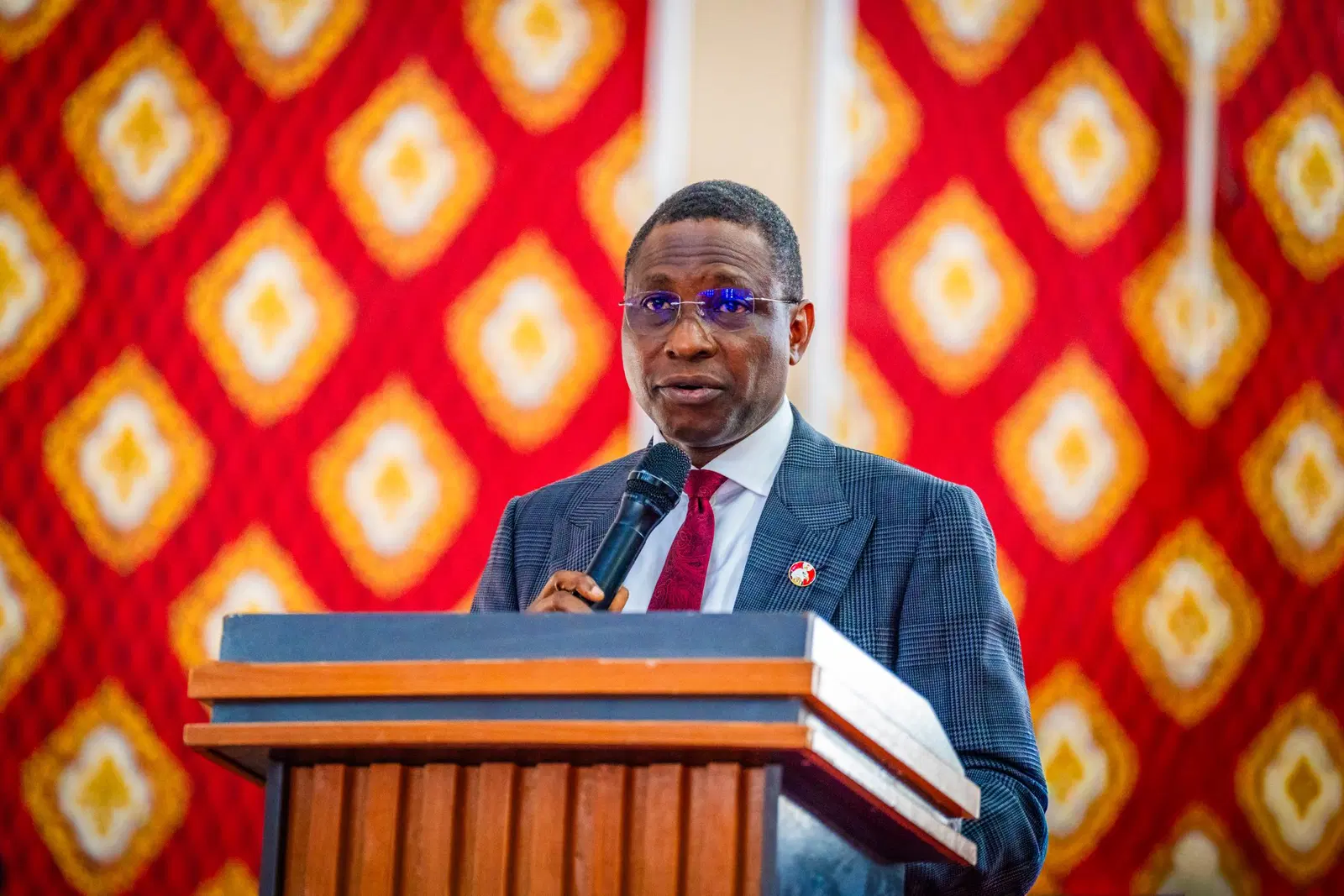
Ola Olukoyede, chairman of the Economic and Financial Crimes Commission (EFCC), has raised concern that about six in every 10 university students in Nigeria are involved in cybercrime.
He made the remark on Tuesday at the opening of the 8th biennial conference of the Committee of Pro-Chancellors of State-Owned Universities in Nigeria (COPSUN), held in Kano.
The theme of the event was “Unlocking the potentials of artificial intelligence: University governance, internationalisation and rankings.”
Olukoyede said findings from recent EFCC field operations showed a troubling level of internet fraud involvement among undergraduates.
“My research in the last one year has shown that about six out of 10 students in our universities are into cybercrime. It is a very disturbing situation,” he said.
He blamed the trend on what he described as deep-seated structural problems within the university system, including weak oversight and poor accountability mechanisms.
According to Daily Trust, the EFCC boss also disclosed that many of those arrested in recent cybercrime operations were students, some of whom allegedly placed lecturers on payroll, thereby undermining academic integrity.
He further noted that a significant number of the 792 suspected cyber fraudsters arrested in Lagos in December 2024 were students, adding that the operation exposed the scale of cybercrime networks operating in the country.
Olukoyede also expressed concern over the rise of “Yahoo Plus”, where internet fraud is allegedly combined with fetish practices.
He called on university authorities to strengthen institutional controls and deepen cooperation with law enforcement agencies to address the problem.
“A university that lacks financial accountability cannot credibly train future professionals. The integrity of our universities is a matter of national security,” he said.
The EFCC chairman also advocated the use of artificial intelligence in fraud detection, payroll management, procurement monitoring and academic integrity.
He said AI tools could help flag suspicious transactions, detect irregular salary payments and enhance real-time auditing processes.
Olukoyede added that the EFCC had already begun deploying AI in its investigations, including digital forensics and financial tracking.






FG declares May 1 public holiday to mark Workers’ Day

ADC will be on 2027 ballot despite legal challenges — David Mark

CAC denies manipulating with DAAR Communications records

US pushing for new coalition to restart Hormuz traffic – Reports

PRP officially welcomes Baba-Ahmed

2027: No plans to extend sale of forms – APC

Supreme Court To Rule On ADC, PDP Leadership Tussles Today

 Breaking2 days ago
Man falls asleep after r@ping 89-year-old woman in South Africa
- World3 days ago
Trump humiliated as major NATO leader tears apart US plan in Iran war
- World3 days ago
Adult content creator accused of using 5-year-old girl to attract men for cash
- News2 days ago
UCL: Arsenal receive double injury boost ahead Atletico Madrid semi-final
- World3 days ago
Trump dinner shooting suspect charged with attempted assassination of president
- Breaking2 days ago
CCTV footage shows final moments of 22-year-old Kenyan student before she fell to her d3ath from sixth floor of apartment
- World19 hours ago
Trump and Iran issue fresh warnings as standoff continues
- Breaking3 days ago
I am sorry – OAP Roby Ekpo apologises for crying during tell-all interview about his marriage to ex-wife, Mayowa Lambe