National
WHO Urges Stronger Efforts To Achieve 2030 Hepatitis Elimination Target

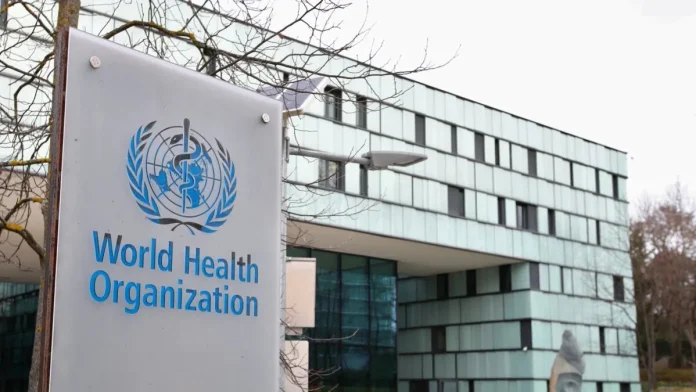
World Health Organisation, WHO, said global progress against viral hepatitis is improving, but remains inadequate to achieve the 2030 elimination target, according to its latest report.
The organisation made this known in its Global Hepatitis Report 2026, released Tuesday at the World Hepatitis Summit.
The report indicated that Hepatitis B Virus, HBV, and Hepatitis C Virus, HCV, responsible for 95 per cent of hepatitis-related deaths, caused 1.34 million deaths globally in 2024.
It stated that 1.1 million of the deaths were linked to HBV, while 240,000 resulted from HCV infections, largely due to liver cirrhosis and cancer.
According to the report, about 1.8 million new infections were recorded in 2024, with HBV and HCV accounting for 900,000 cases each.
It added that approximately, 287 million people were living with chronic hepatitis infections worldwide as of 2024.
The report highlighted progress since 2015, noting a 32 per cent decline in new hepatitis B infections due to improved immunisation and prevention strategies.
It also reported a 12 per cent reduction in HCV-related deaths, driven by access to effective antiviral treatment.
The prevalence of chronic HBV among children under five declined from 0.8 per cent in 2015 to 0.6 percent in 2024, it said.
It noted a 20 per cent drop in the number of people living with HCV, attributed to expanded curative treatment programmes.
WHO`s Director-General, Tedros Ghebreyesus said eliminating hepatitis is achievable with sustained political will and adequate funding.
However, the report warned that current progress remains insufficient to meet the 2030 targets.
It stated that new HCV infections fell by only eight per cent between 2015 and 2024, far below the 80 per cent reduction target.
It added that HBV-related deaths increased by 17 per cent during the same period, due to gaps in diagnosis and treatment.
The report stressed that achieving a 65 per cent reduction in hepatitis-related deaths by 2030 would require rapid expansion of testing and treatment services.
It identified key challenges, including limited access to vaccines, testing and treatment, particularly in high-risk regions.
The report recommended scaling up treatment for chronic infections, improving hepatitis B birth-dose vaccination and strengthening measures to prevent mother-to-child transmission. (Xinhua/NAN)


Dubai Unveils ‘New’ Visa Rules

CAN demands swift rescue of abducted Ekiti church members

Chris Brown Sparks Buzz: Thriller-Inspired Album Art, New Music Drops & Ongoing Controversy

Former Oil Minister Battles Bribery Claims as Tycoons Speak Out in UK Court”

Shettima Warns Politicians as Power Struggles Heat Up”

Maternal Health Inequality Persists In Nigeria, As FCT Women Face Rising Risks

2027 polls: C’River group endorses 14 aspirants

 Breaking2 days ago
Man falls asleep after r@ping 89-year-old woman in South Africa
- World3 days ago
Trump humiliated as major NATO leader tears apart US plan in Iran war
- World3 days ago
Adult content creator accused of using 5-year-old girl to attract men for cash
- News2 days ago
UCL: Arsenal receive double injury boost ahead Atletico Madrid semi-final
- Breaking2 days ago
CCTV footage shows final moments of 22-year-old Kenyan student before she fell to her d3ath from sixth floor of apartment
- World3 days ago
Trump dinner shooting suspect charged with attempted assassination of president
- World19 hours ago
Trump and Iran issue fresh warnings as standoff continues
- Breaking3 days ago
I am sorry – OAP Roby Ekpo apologises for crying during tell-all interview about his marriage to ex-wife, Mayowa Lambe