News
7 healthy habits to adopt during rainy season


The arrival of the rainy season brings much-needed relief from the scorching heat, replenishes crucial freshwater sources, and boosts agricultural productivity.
The season also offers important ecological advantages as it supports biodiversity and improves air quality, thereby maintaining the balance of life.
However, it also comes with several challenges, including increased health risks, poor road conditions, damp living environments, and disruptions to daily routines.
According to the European Wilderness Society, rain plays a vital role in replenishing water resources such as lakes and rivers, which are critical for human survival and ecological balance. In agriculture, it supplies the moisture needed for crops to thrive, sustaining food production for billions of people worldwide.
But while rain is vital, too much or too little of it can create serious problems.
Excessive rainfall often leads to flooding, which overwhelms the environment, destroys homes, displaces communities, and causes significant economic losses.
The EWS also notes that in urban areas, poorly managed drainage systems are often overwhelmed during heavy storms.
This frequently results in flooding, damage to property, disruption of transportation, and reduced access to clean drinking water.
To stay healthy, comfortable, and productive during the rainy season, experts say adopting certain lifestyle habits can make a significant difference. Here are seven practical habits to adopt:
Prioritise personal hygiene
A public health expert, Dr Tunde Akintunde,
explained that the rainy season often creates conditions that encourage the spread of germs and infections.
He advised that frequent hand washing with soap and clean water remains one of the simplest and most effective ways to prevent illnesses.
“One of the simplest but most effective preventive measures is frequent hand washing with soap and clean water, as this helps reduce the risk of contracting common illnesses associated with the season. People should also ensure that their clothes, footwear, and other personal items are properly dried after exposure to rain to prevent fungal infections, skin conditions, and unpleasant odours,” he advised.
Maintain a clean environment
Akintunde noted that beyond personal hygiene,
maintaining a clean environment is equally important.
He urged individuals to regularly clear blocked drains, dispose of waste appropriately, and avoid practices that encourage stagnant water, which can increase the risk of waterborne diseases and other health hazards.
“Beyond personal hygiene, maintaining a clean environment is equally important during the rainy season. People should regularly clear blocked drains, dispose of waste appropriately, and avoid practices that encourage stagnant water, as these can increase the risk of waterborne diseases and other health hazards,” he added.
Dress appropriately for the weather
According to the physician, choosing the right clothing is essential during the wet season. Lightweight but protective
outfits, waterproof jackets, umbrellas, and raincoats can help individuals stay dry while moving around.
He advised that footwear should also be chosen
carefully, recommending waterproof shoes or sandals with good grip to prevent slips and falls on wet surfaces.
Boost immunity with healthy nutrition
Akintunde noted that the rainy season often brings increased cases of malaria, colds, flu, and other infections.
He recommended strengthening the immune system through proper nutrition.
“To stay healthy during this period, people should pay close attention to their nutrition by eating a balanced diet rich in fruits, vegetables, proteins, and whole grains.
“Foods rich in vitamins C and A, such as oranges, pineapples, carrots, and leafy vegetables, are particularly beneficial as they support the body’s natural defence mechanisms. It is also important to drink adequate amounts of clean water, even when the weather feels cooler, as proper hydration remains essential for good health,” the physician advised.
Protect against mosquito bites
An environmental health expert, Israel Adeyemi,
warned that stagnant water created by rainfall serves as a major breeding ground for mosquitoes.
He advised individuals to regularly empty containers capable of collecting water.
Other effective measures include sleeping under treated mosquito nets, installing window screens, and using insect repellents to reduce the risk of malaria and other mosquito-borne diseases.
Practice safe commuting
Adeyemi noted that roads often become slippery with reduced visibility during heavy rainfall, and urged motorists to drive cautiously, maintain safe distances, and ensure that vehicle lights and wipers are functioning properly.
Pedestrians, he added, should avoid flooded areas whenever possible and remain alert when crossing roads.
Preparing for a healthier rainy season
“Even though the rainy season has its own
problems, if people adopt simple healthy habits, they will get through the season safely and comfortably.
“If we pay attention to how we keep ourselves
clean, what we eat, how we maintain our environment, and how we protect
ourselves, it will significantly reduce the sickness that usually follows the
season,” Adeyemi added. said.

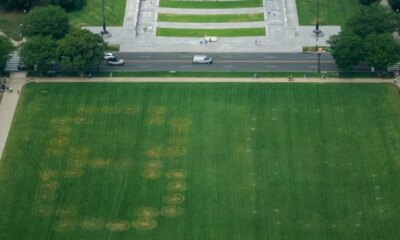





U.S president, Trump thinks mysterious â86 47â² code on Washingtonâs National Mall is a threat to k!ll him

June 12: MKO Abiola refused to sell presidential mandate to Abacha – Oshiomhole

'Driven to London by masked men': Indian-origin man Gagandeep Singh sentenced to 34-years for kidnaping, raping woman

Crime journalist k!lled in Mexico as World Cup kicks off

Super Eagles: Igoh Ogbu undergoes successful surgery

I have no godfather, only God, says Rivers NDC candidate Fubara

What some men are pushing their wives into!

 Breaking3 days ago
UNIJOS emerges top winner at JAMB Admissions Awards, receives ₦500m grant
- World14 hours ago
Horror as girl, 12, 'gang raped by 5 classmates' at birthday party
- Breaking2 days ago
Nobody can stop me from visiting any part of Nigeria â Sheikh Gumi
- Politics2 days ago
Environmental Protection: Edo, FG to strengthen collaboration as Okpebholo pledges partnership to protect Edo environment
- Breaking3 days ago
"Unless you’re d£ad, you must pay" â Young truck driver calls out motorist who allegedly damaged his side mirror and fled
- National3 days ago
Court Adjourns ₦337 Million Fraud Case Involving NASS Officials to September 23, 2026
- World1 day ago
Escalation in attacks between U.S. and Iran
 News2 days ago
Benue Youths Rescue Kidnapped Victims, Detain Suspects in Community Operation