World
30 Years Ago, This Young Star Amazed Critics With Her Debut, but the Industry Bristled at Her Unmarketable Image

This Video Is Trending Right Now
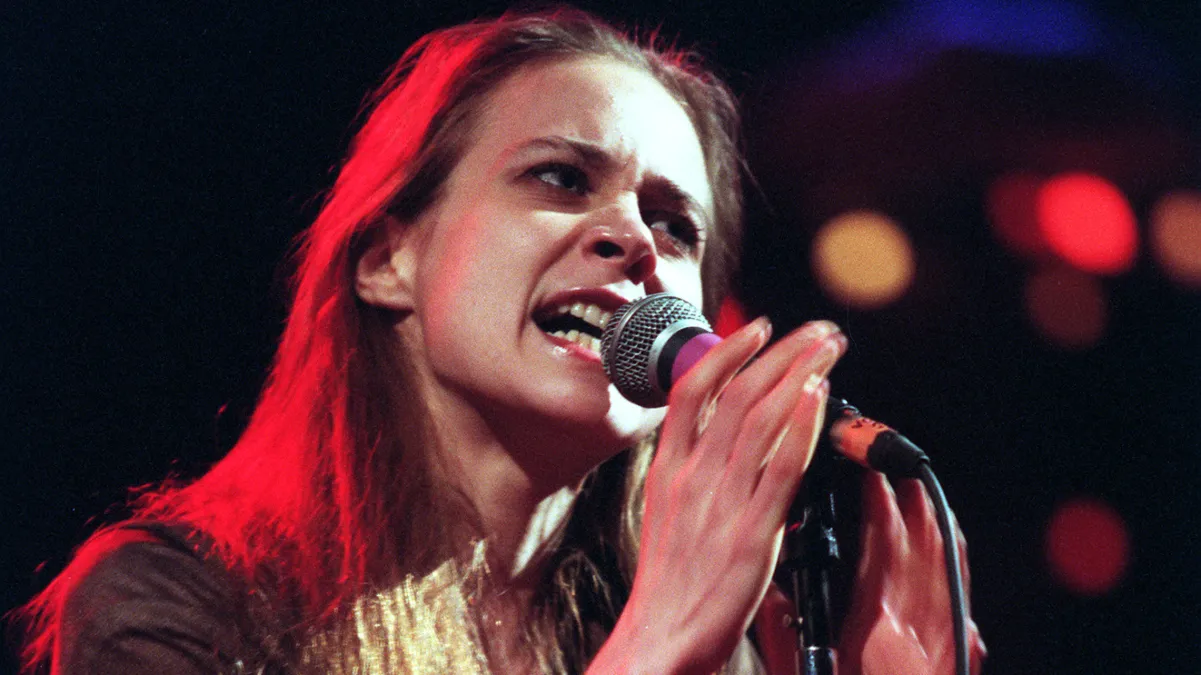
On July 23, 1996, Fiona Apple released her debut album, Tidal. The album kick-started a wildly successful yet overwhelming career for the 18-year-old. Tracks like “Criminal”, “Shadowboxer”, and “Sleep to Dream” put her on the map, alongside contemporaries like Alanis Morissette, Liz Phair, and Tori Amos.
But Apple was one of the youngest of this cohort, thrown directly into the threshing machine of the music industry. Her vulnerable, raw lyrics gave the industry the impression that she was fragile. Some reviews at the time even described her lyrics with that word. But despite the fragility of her songs, Fiona Apple was very much the opposite.
She had strong convictions and opinions about the music industry. Because she didn’t shy away from speaking her mind, she was reduced simply to her emotions. Angry, unhinged, too vulnerable. All labels used in the media to declaw her. But Apple often had a rebuttal in the form of music. The title of her second album, When the Pawn… was a direct response to an unfavorable Spin interview.
“It came from being made fun of, and then, of course, it becomes a thing I’m being made fun of for,” Apple said in a 2000 print issue of Q. But before all that, there was Tidal, which made Fiona Apple a household name. Whether she liked it or not.
Fiona Apple Is a Gift We Do Not Deserve
Retrospective reviews of Tidal obliterate any negative responses to the album 30 years ago. What was seen as fragile or cliché became indicative of the human condition with the distance of years. But those who found the album cliché at the time had never experienced being a friendless teenage girl.
Tidal wasn’t made with the express purpose of launching Apple as a pop star. According to Apple’s Q interview, it “was more for the sake of proving myself; telling people from my past something. And to also try to get friends for the future.”
Another part of the music industry’s reduction of Fiona Apple was the fact that she was so obviously anti-commercial. She wouldn’t be marketed. When the industry presented her as one thing, and the media was given another, and her music said yet another thing, the mainstream majority bristled. Fiona Apple refused to have her image manipulated by record execs or the press, but she was slapped with an “unruly woman” label anyway.
Even though this took a toll on Apple and she often retreated from the public eye, she never lost the desire to make music. She took years between albums, but, with her later releases, that was on her own terms. The youthful ambition of Tidal wove a thread through Apple’s subsequent works, even as she worked through mounting outside pressure.
Photo by Iris Schneider/Los Angeles Times via Getty Images


FG profiles coastal road guards, installs trackers on motorcycles

Mom who murdered her ex while he picked up their kids from daycare smiles as gets huge sentence

Dangote refinery completes $2.5bn equity placement

Etiaba declares Peter Obi a crucial figure for good governance, transcending political affiliation

Man Jailed After Breaking Into Girlfriend’s Mother’s Room to Retrieve Gifts He Bought for Her
Etiaba declares Peter Obi a crucial figure for good governance, transcending political affiliation

Bandits not spirits, rise up against them – Sunday Igboho to Nigerians

 Investigation2 days ago
65-year-old married female teacher blindfolded and tied 10-year-old schoolboy to bed before having s3x with him
- Investigation2 days ago
âBusinesses are dy!ng in South Africa. Nobody is making money – South African man decries low patronage days after anti-immigrant protest
- Investigation2 days ago
"I ‘m fine and healthy" – Video of late Mary Habila debunking her d3ath rumours 3 days before she d!ed at Umahi’s residence
- World3 days ago
Trump Is Caught in the Trap He Set
- Investigation3 days ago
FIFA President Gianni Infantino presents Spanish players with their FIFA World Cup winnersâ rings (Video)
- Investigation3 days ago
âTimi Dakolo, youâve proven you lack integrityâ â DJ Timmy intensifies criticism of singer amid contract dispute
- National2 days ago
CBN opened domiciliary accounts for Gbajabiamila-linked PFIPC on accountant-general’s order before N400 million bribe probe: Cardoso
- National2 days ago
INEC Officials Accused of Demanding ₦2,000 for PVCs in Onitsha [VIDEO]