Society
De-risking $700m CVFF: Agbakoba unveils sustainable vessel financing for banks, others

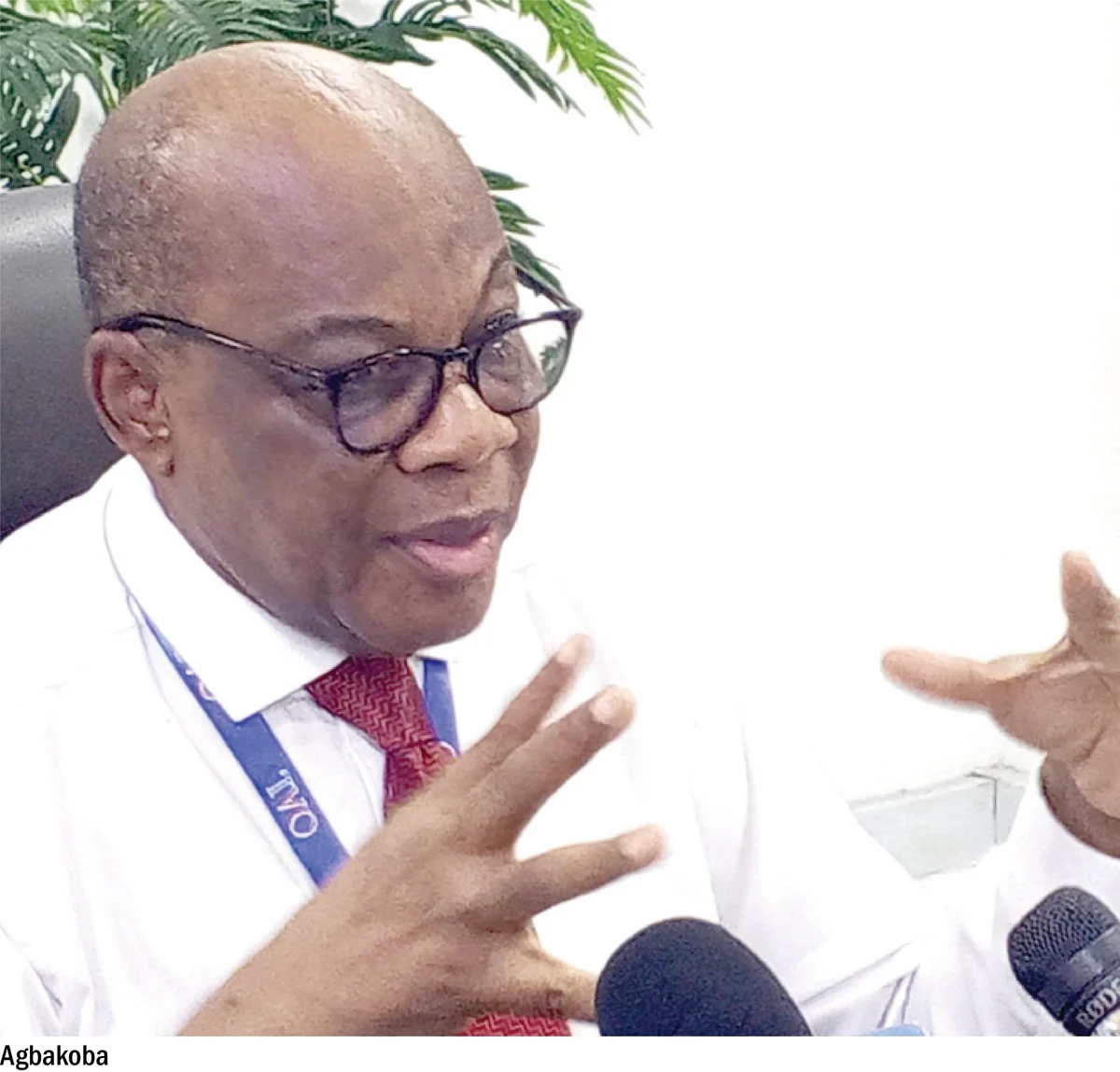
Olisa Agbakoba Legal (OAL) has hosted its maiden Maritime Policy Roundtable, where stakeholders proposed stronger credit assessments, legal due diligence, effective risk management, and enforceable security arrangements to reduce lending risks under the $700m Cabotage Vessel Financing Fund (CVFF).
In a statement released on Monday by OAL, the roundtable brought together stakeholders from Nigeria’s banking, insurance, maritime, and ship-management sectors to examine the legal, financial, and operational structures required to support sustainable vessel financing and strengthen indigenous participation in the maritime industry.
The event opened with remarks by Yvonne Ezekiel, Managing Partner of Olisa Agbakoba Legal, who welcomed participants and highlighted the need for collaboration among financial institutions, maritime operators, legal practitioners and other industry stakeholders to address challenges affecting vessel financing in Nigeria.
ALSO READ: 2027: SDP begins uploading guber and state assembly candidates to INEC portal
Dr Olisa Agbakoba, SAN, Senior Partner at Olisa Agbakoba Legal, provided a historical overview of the CVFF, tracing its development within Nigeria’s broader efforts to promote indigenous ownership and participation in the shipping industry.
Dr Agbakoba examined major developments in Nigeria’s maritime policy, including the establishment of the Nigerian National Shipping Line and the enactment of the Coastal and Inland Shipping (Cabotage) Act 2003.
The Cabotage Act established the CVFF to support the acquisition of vessels by indigenous shipping operators and to increase Nigerian participation in domestic coastal trade.
Speaking on de-risking lending under the CVFF, Collins Okeke, Partner at Olisa Agbakoba Legal, presented a legal and credit-risk framework to assist participating
financial institutions in assessing maritime finance risks, protecting their loan portfolios, and reducing exposure to non-performing loans.
Mr Okeke identified credit-risk assessment, corporate and regulatory due diligence, security and facility structuring, and clear default and recovery procedures as important safeguards for sustainable CVFF lending.
He said financial institutions should independently assess applicants’ financial capacity, existing debt obligations, operational experience, and projected cash flow rather than rely solely on information provided by applicants.
The presentation also highlighted the need to verify beneficial ownership, regulatory compliance, and the source of applicants’ mandatory equity contributions before financing is approved.
Mr Okeke further examined measures for protecting lenders, including enforceable mortgages over financed vessels, the assignment of vessel-generated income and receivables to lenders, appropriate insurance arrangements, and clear restructuring procedures where borrowers experience financial difficulties.
Capt. Nicolas Bernard, AFNI, Managing Director of NBC Maritime Ltd., delivered a presentation on professional ship management and its role in protecting maritime investments and preserving the long-term value of financed vessels.
Mr Bernard said acquiring a vessel was only the beginning of the investment process, noting that successful operations were essential to generating returns and maintaining asset value.
His presentation identified technical management, preventive maintenance, crew management, regulatory compliance, procurement, financial oversight, and digital monitoring as important components of professional ship management.
He also emphasised the importance of involving professional ship managers from the early stages of vessel selection and acquisition. According to the presentation, early professional involvement can improve technical due diligence, support compliance, reduce unexpected operating costs, and minimise vessel downtime.
The presentation further examined the role of professional ship managers within the CVFF financing structure.
It noted that effective ship management could help protect shipowners’ investments, reduce lenders’ exposure to operational risks, and ensure that financed vessels remain compliant and retain their value.
Following the presentations, participants also considered lessons from previous ship-financing initiatives and the need to ensure that CVFF lending is supported by effective credit evaluation, specialised maritime-finance expertise, continuous monitoring and enforceable security arrangements.
In this regard, participants agreed that lessons from the failure of the CVFF’s Series 1 lending window must be carefully reviewed and studied so that Series 2 does not suffer the same fate, with sustainable ship finance ultimately dependent on private-sector bank financing supported by an enabling regulatory policy environment. Participants also noted the need to examine cargo reservation systems in other jurisdictions, given the close link between cargo reservation arrangements and banks’ ability to finance vessels on viable terms.
Discussions at the roundtable extended beyond the immediate implementation of the CVFF to the development of a sustainable framework for long-term maritime financing in Nigeria.
Participants considered cargo-backed financing and long-term Contracts of Affreightment, which provide for the transportation of agreed quantities of cargo over a specified period, as potential mechanisms to create predictable revenue streams for indigenous shipping operators and to improve their ability to secure and repay vessel-financing facilities.
To sustain this momentum, participants agreed that the Forum should expand its membership to include ship management experts, marine insurance practitioners, marine surveyors, engineers and valuers, broadening the pool of expertise available to support safe and sustainable vessel financing.
The Forum also nominated Mr Wale Mesioye of Fidelity Bank to serve as its Coordinator, working with Olisa Agbakoba Legal to build a body of knowledge and expertise around ship financing. Participating banks were further encouraged to develop and strengthen dedicated maritime-finance units within their institutions.
Representatives of financial institutions, insurance companies, and maritime organisations attended the event. Participating organisations included Fidelity Bank Plc, Zenith Bank Plc, TAJBank, Lotus Bank, the Bank of Industry, SUNU Assurances Nigeria Plc, Capstone Insurance Brokers Limited, NBC Maritime and Seamate Group.


The Future of Genocide

“Gbajabiamila Appears Before ICPC Over Alleged Fake PFIPC Agency Gives Testimony” — Lawyer
“Call-Up Numbers Uploaded”— NYSC Fixes August 5 For 2026 Batch B Stream II Orientation

FG Speaks on Borrowing N80tn, Reveals Reason for Increase in Debt Figures

‘This is so stupid’: Trump reamed for ‘crazytown’ plan to punish Canada

Trump says he will impose 50 percent tariffs on Canadian goods in 30 days

FCMB, 247 Travels unveil N10m ticket financing scheme

 Society3 days ago
Heartbroken Girlfriend Storms Studio To Remove Portrait Tattoo Of Cheating Boyfriend From Her Back
- Breaking3 days ago
Ondo police arrest father for burning his 10-year-old daughter’s private part with hot iron over bedwetting
- Society24 hours ago
2026 Ballon d’Or: Top 4 players to win award after World Cup final revealed
- Investigation3 days ago
âI canât date a man who earns less than me. Iâve supported men financially before, and Iâm done with thatâ â Mercy Eke
- Society20 hours ago
Pepper Seller Caught On Camera Applying Pepper On Newborn Baby As Rituals To Usher Her Into The Business
- World1 day ago
Spain earns $51 million for World Cup win and runner-up Argentina gets $34 million as total payout for all 48 teams hits record-high $871 million
- Society3 days ago
Man Finds Beautiful Lady Stripped Totally ‘Nɛkɛd’ In Deep Forest, Says She Doesn’t Know How She Got There
- Investigation3 days ago
US President Trump questions Thomas Tuchelâs tactics in England World Cup loss to Argentina