Society
Don identifies funding, manpower shortages as challenges of postgraduate education

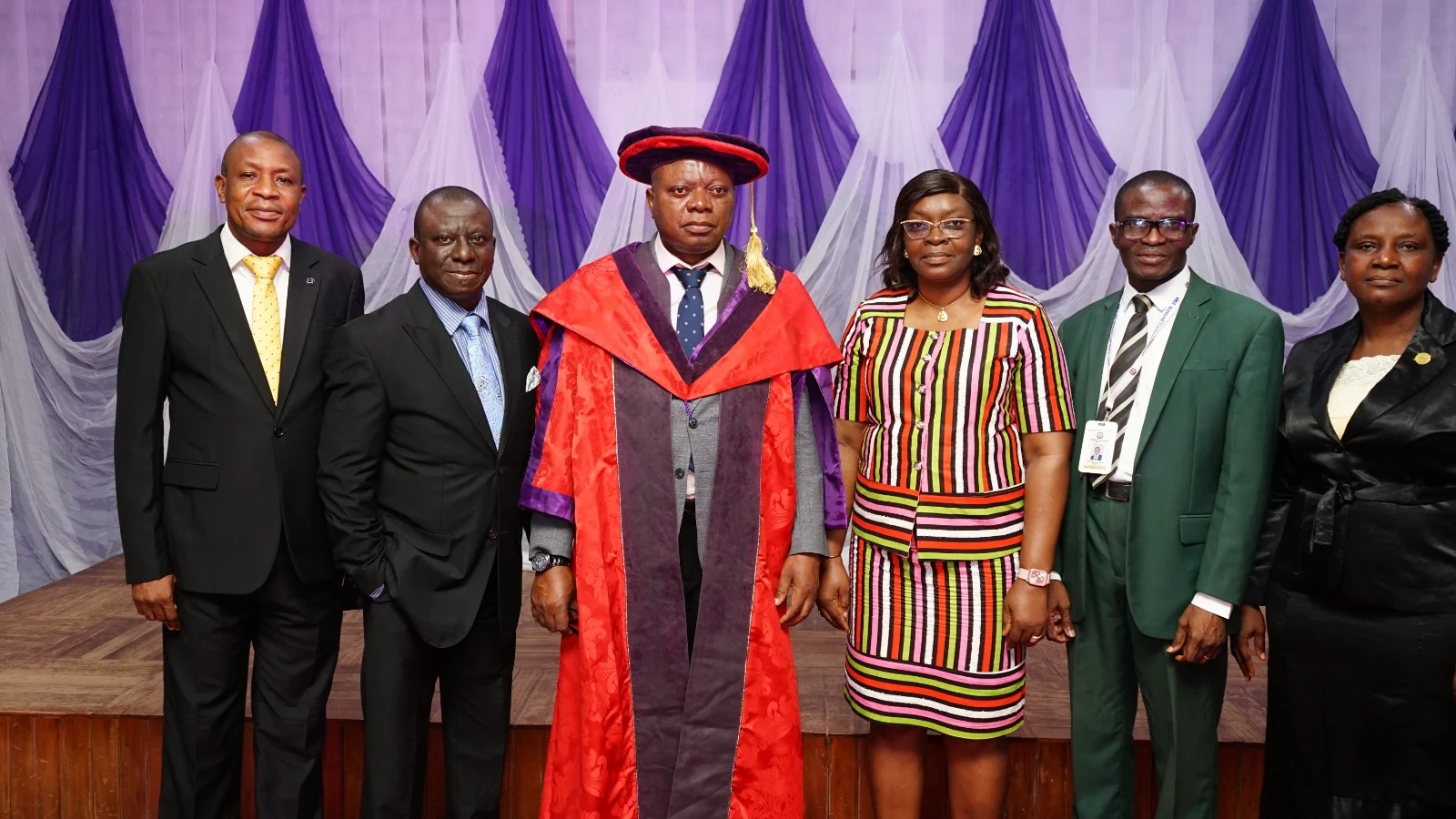
Former Vice Chancellor of the University of Ibadan, Professor Abel Idowu Olayinka, has cited inadequate funding, poor infrastructure and shortage of qualified academic personnel as major challenges confronting postgraduate education in Nigeria.
He, therefore, urged the government to provide scholarships and bursaries to enable postgraduate students to complete their programmes within the stipulated period by contributing to the future of future scholars.
Professor Olayinka disclosed this on Thursday, while delivering a lecture with a title, “Consolidating Postgraduate Education In Nigerian Universities”, at the Maiden Postgraduate School Discourse of Chrisland University, Abeokuta.
He explained that only about 15 percent of undergraduates proceed to acquire postgraduate programmes due to cost, limited slots, and union strikes which disrupt the academic calendar.
The Don also stated that many universities lack adequate facilities and sufficient senior academics to supervise master’s and PhD students, thereby affecting the quality and pace of research.
He noted that increasing postgraduate enrolment was critical to national development, stressing that graduates from such programmes would strengthen teaching, research, government institutions and the private sector.
The professor said many candidates pursuing master’s and doctoral degrees lacked the financial capacity to complete their studies, especially those working in secondary schools and other establishments to pay tuition fees and meet living expenses.
Professor Olayinka maintained that pursuing postgraduate education goes far beyond the acquisition of higher degrees by students, saying it contributes towards innovation and national development in diverse fields.
He added that if Nigeria’s Vision 2050 and the SDGs are to be met, the country needs more postgraduate enrolment with focus on STEM, agriculture, health and policy.
He said the shortage of qualified teachers in subjects such as physics, chemistry, mathematics and biology would adversely affect younger learners aspiring to pursue science-related careers.
While expressing concern that low postgraduate output could weaken the entire education system, given that universities occupy the apex of educational development and produce teachers for other levels of learning.
Professor Olayinka called for policies that would encourage more Nigerians to undertake postgraduate studies while strengthening university departments with adequate staffing and facilities.
He maintained that although Nigeria possessed the knowledge and expertise to address challenges such as electricity generation, the absence of an enabling environment had hindered effective implementation.
The professor described Nigerian students as brilliant and innovative, adding that improved funding and a supportive ecosystem would enable them to realise their full potential.
On the use of the title “Doctor” by recipients of honorary degrees, he said only individuals who had earned academic doctorates should bear the title, commending government efforts to regulate the practice and calling for effective implementation.
The Vice Chancellor, Professor Oyedunni Sola Arulogun, in her welcome address said the University is committed to building a postgraduate school that is distinguished by academic excellence, rigorous research, innovation, interdisciplinary collaboration, ethical scholarship, and global relevance.
She explained that the discourse provided a platform for critical reflection on the future of postgraduate education, the challenges confronting our universities, and the opportunities before it in an increasingly knowledge-driven world.
“We envision a postgraduate ecosystem where curiosity is encouraged, creativity is nurtured, and research outcomes contribute meaningfully to industry, public policy, healthcare, education, entrepreneurship, and sustainable development.
“It is also an opportunity to challenge ourselves to rethink traditional models of postgraduate training and to embrace approaches that produce graduates who are not only academically accomplished but also innovative, entrepreneurial, globally competitive, and solution-oriented,” she added.


Police Foil Two Bandit Attacks, Recover 137 Stolen Cows in Sokoto

Appeal Court Reaffirms Halkin E&P’s Ownership Of Atala Marginal Oil Field

Zeberced Group to train 20,000 Nigerians in technical and vocational skills, create 40,000 direct jobs

51-Year-Old Man Caught ‘Doing It’ With A 14-Year-Old Girl

2027: ADP presidential candidate Abbas promises ‘New Nigeria’
2027: ADP presidential candidate Abbas promises ‘New Nigeria’

2027: INEC can’t decide candidates for political parties – Sambo

 Society20 hours ago
Iyabo Obasanjo clarifies father’s real age
- World2 days ago
Boy, 3, pulled alive from rubble six days after Venezuela earthquake disaster
- Society2 days ago
Outrage As Video Of Primary Schoolgirls Smoking And Drinking Surfaces Online
- Breaking2 days ago
Nigerian nun in tears as she’s released after being arrested by ICE while walking to Mass in the US (video)
- Investigation3 days ago
V!olence against women declines from 9% to 5% in six yearsâ UN Women
- Investigation3 days ago
âBabcock university, I heard you guys are looking for me but I wonât show up unless you pay N100,000 ticket for me to show upâ â Content creator Carter Efe replies Babcock universityâs lawsuit
- Breaking1 day ago
"I would have contacted HIV or Hepatitis B if I had stayed" – Nigerian woman says as she reflects on her failed marriage
- Investigation3 days ago
âThe âOlodo Uprisingâ was fathered by weaponised ignorance, not by one personâ â Dele Farotimi weighs in on Yceeâs comments