Society
FG inaugurates committee to develop 2026 VAT Modification Order

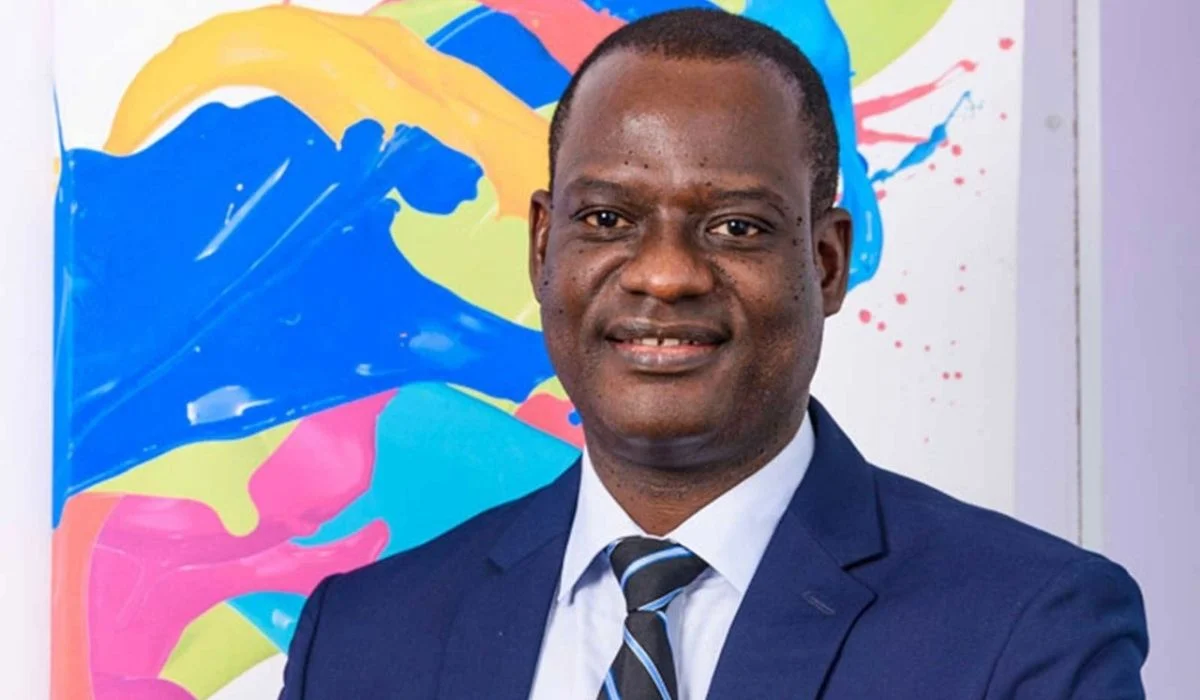
The Federal Government has inaugurated an inter-ministerial committee to develop the 2026 Value Added Tax (VAT) Modification Order, a major step towards ensuring the smooth implementation of Nigeria’s new tax laws and providing greater certainty for businesses, investors and tax administrators.
While inaugurating the committee at the weekend in Abuja, the Minister of Finance and Coordinating Minister of the Economy, Mr Taiwo Oyedele, charged members to deliver a modern and practical VAT framework that reflected the intent of the Tax Reform Acts and responded to the realities of today’s economy.
He described the Tax Reform Acts, which came into effect on 1 January 2026, as the most extensive changes to Nigeria’s tax system in decades, noting that the reforms simplified tax administration, improved certainty, strengthened competitiveness, protected vulnerable Nigerians and created a stronger foundation for sustainable economic growth.
According to a statement by Efe Ovuakporie, the minister explained that while the previous VAT Modification Order made under the repealed VAT Act had served its purpose, the new legal framework required a fresh order to provide clarity, update relevant schedules and support the effective implementation of the Nigeria Tax Act.
“This is not about reproducing an old document,” Oyedele said. “It is about developing a VAT Modification Order that is clear, practical and responsive to the needs of a changing economy.”
Oyedele explained that the new order should remove uncertainty, make compliance easier for taxpayers, support investment decisions and provide tax administrators with clearer guidance in implementing the law.
The minister directed the committee to undertake a thorough review of the legal framework, administrative practices and policy directives governing VAT administration, particularly the VAT-exempt and zero-rated provisions contained in Part IV of the Nigeria Tax Act, 2025, while identifying areas that required further clarification.
He also charged members to engage extensively with stakeholders across government, the organised private sector, professional bodies and other interest groups to validate classifications, address implementation concerns and ensure that the final recommendations were practical and balanced.
In the statement, Oyedele further instructed the committee to recommend a comprehensive schedule of VAT-exempt and zero-rated supplies, taking into account revenue implications, social impact, Nigeria’s treaty obligations and regional integration commitments.
The committee is expected to prepare a clear and implementable VAT Modification Order that aligns with the provisions of the Nigeria Tax Act and, where necessary, recommend amendments to the Tax Reform Acts and other enabling laws to strengthen implementation.
The minister urged members to ensure that every recommendation remained faithful to both the letter and the spirit of the new tax laws, adding that the order should encourage industrial growth, support investment, promote exports, strengthen food security, encourage innovation and facilitate Nigeria’s energy transition without compromising the integrity of the VAT system.
He also stressed the need to reduce ambiguity in VAT administration so that taxpayers, investors, regulators and tax administrators could operate with greater confidence and certainty.
Oyedele further encouraged the committee to draw from international experience while ensuring that the final document reflected Nigeria’s unique economic realities and development priorities.
The committee has been given six weeks to complete its assignment and submit a draft VAT Modification Order, schedules of VAT-exempt and zero-rated supplies with their corresponding Harmonised System Codes, implementation notes, a stakeholder consultation report and recommendations on any legislative amendments considered necessary.
Membership of the committee comprises representatives of the Federal Ministry of Finance, the Nigeria Revenue Service, the Nigeria Customs Service, the Federal Ministry of Industry, Trade and Investment, the Joint Revenue Board, the Manufacturers Association of Nigeria, the Tax Advisory Committee and the Tax Justice and Governance Platform.
Expressing confidence in the calibre of the committee, the minister said the blend of expertise drawn from government and the private sector provided a strong foundation for producing a technically sound and practical instrument that would support the effective administration of VAT under the new tax regime.
“Nigerians cannot wait,” the minister said. “Businesses need certainty. Investors need confidence. Government needs a VAT system that is easy to administer and supports growth. I urge you to approach this assignment with diligence, objectivity and a sense of urgency.”
He noted that the committee’s work would shape the administration of one of Nigeria’s most important taxes, improve the ease of doing business, strengthen investor confidence and support the successful implementation of the Federal Government’s fiscal reform agenda.


GFA Still Hasn’t Given A Reason And I Haven’t Ask Either — Otto Addo On His Dismissal

Refuse heaps undermine sanitation exercise, Lagos residents lament

FG begins third phase of employment initiative for youths in Ekiti

Madeleine McCann’s brother cheered on by parents at Commonwealth Games

Maine Democratic delegates choose Troy Jackson as new nominee to face Sen. Susan Collins

Irish missionary groups supported over one million people in 2025 from South Sudan to Cambodia
Irish missionary groups supported over one million people in 2025 from South Sudan to Cambodia

 Investigation3 days ago
Married woman humiliated after allegedly being caught cheating on her husband with another man in Kogi community
- Society3 days ago
FULL TEXT: Trump’s letter to Tinubu
- Investigation3 days ago
âIt is an honour to stand with you in fight against terroristsâ- Trump tells Tinubu
 Breaking2 days ago
âFailed nation, failed parenting and lack of home training’- Lawyer, Deji Adeyanju blasts podcast host for saying a poor man has no place in her heart’
 Investigation3 days ago
âI have gone back to our family â- Gov. Fubara says as he declares support for Wike’s governorship candidate
- Breaking3 days ago
âl did not k!ll him, he d!ed on top of me" – Sani Abacha’s mistress says
- Investigation3 days ago
ââGo home, Nigeria is your home. We wonât accept you in South Africa”- South African women hurl anti-immigrant slurs at former Miss Universe Nigeria, Chidimma Adetshina amidst her deportation court case
- Investigation3 days ago
Nyesom Wikeâs daughter, Jazmyne bags Bachelor of Law degree from University of Southampton