News
Food inflation: FG targets 25 million tonnes of grain

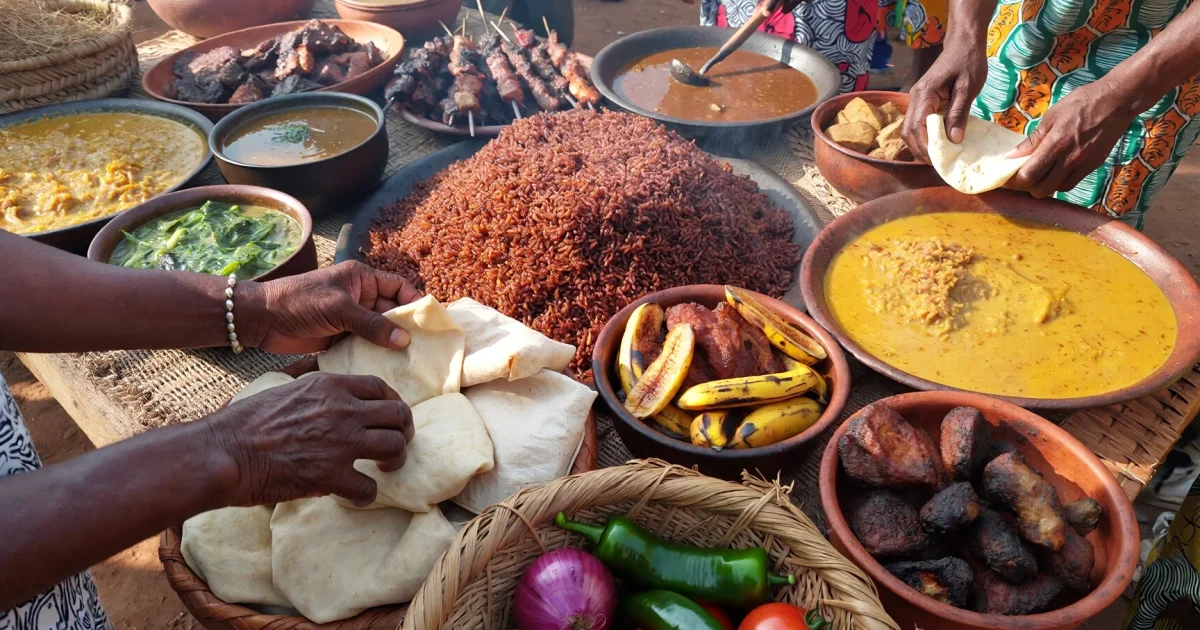
The Federal Government on Friday said it plans to increase the country’s annual grain output from the current 11 million tonnes to about 25 million tonnes through the Renewed Hope Smallholder Agricultural Financing Programme.
The initiative is aimed at boosting local food production and reducing food inflation.
Speaking on Friday at the inauguration of the programme in Zaria, Kaduna State, the Minister of Agriculture and Food Security, Abubakar Kyari, said the initiative was designed to improve access to quality farm inputs, increase crop yields and strengthen national food security.
He said food affordability was largely determined by supply and demand, stressing that expanding production through timely access to quality inputs remained the administration’s priority.
“We are committed to reducing food inflation by increasing production, not by relying on imports. The focus is to ensure that farmers have timely access to quality inputs to produce more food,” Kyari said.
The minister disclosed that about two million bags of agricultural inputs would be distributed through registered farm aggregators, who would also provide extension services and implement a Guaranteed Minimum Price mechanism to protect farmers against post-harvest exploitation.
He noted that although about 90 per cent of farmers cultivate less than one hectare of land, they account for about 85 per cent of the country’s food production.
“Our smallholder farmers are the backbone of Nigeria’s food system. Supporting them is critical to achieving food security,” he added.
Kyari expressed optimism that improved seeds, weather-based advisory services, timely input distribution and guaranteed pricing would significantly increase food production and lower food prices nationwide.
Also speaking, the Managing Director of the Bank of Agriculture, Ayodeji Sotinrin, said the programme was expected to raise Nigeria’s annual grain output from the current 11 million tonnes to about 25 million tonnes.
He explained that the intervention would provide farmers with subsidised fertilisers, certified hybrid seeds and other essential inputs through the bank’s single-digit, nine per cent interest financing facility.
“The inputs are not grants. They are financed under BOA’s nine per cent lending scheme to make them affordable while ensuring the sustainability of the programme,” Sotinrin said.
According to him, the bank selected 20 farm aggregators from over 1,240 applicants for the pilot phase after assessing their technical and operational capacity.
He said about 500,000 farmers would benefit during the current farming season, with the programme expected to expand to two million farmers next year and eventually five million farmers nationwide.
“If five million farmers cultivate one hectare each and produce at least five tonnes per hectare, Nigeria will generate about 25 million tonnes of food annually. That will be sufficient to meet domestic demand, reduce dependence on imports and create opportunities for agricultural exports,” he added.
Sotinrin said the bank also planned to finance irrigation projects to support all-year-round farming and improve farmers’ incomes.
In his remarks, the Group Managing Director of Arzikin Noma Africa, Adeoluwa Michael Adeshola, said the long-term success of the initiative would depend on sustained private sector participation and prompt repayment of loans by beneficiaries.
“The best collaboration anywhere in the world is when government provides policy and the private sector delivers implementation. With this partnership, Nigeria can achieve food sovereignty and become a leading exporter of agricultural produce,” he said.
He explained that beneficiaries would repay the financing after harvest, noting that the revolving nature of the fund would enable more farmers to benefit in subsequent farming seasons.
Adeshola added that traditional rulers, community leaders and security agencies had pledged to support the programme by encouraging beneficiaries to repay the loans, saying this would sustain the intervention and improve food production across the country.
The programme is one of the Federal Government’s flagship agricultural interventions aimed at expanding access to finance, improving farm productivity and accelerating Nigeria’s drive towards food security and food sovereignty.








Peleâs World Cup jersey fetches $4.9 million at US auction

Soldier f@tally shot as troops repel terrorists in Sokoto

What to know about Trump's claim that over 250K non-citizens are registered to vote

2 kidnapped Forest Service workers safe after being zip-tied, held at gunpoint

Singer Role Model says his desire is to be a single father to a baby girl and raise her by himself

7/17: CBS Evening News

Trump threatens Canada with higher tariffs over wildfire smoke

 Society3 days ago
35-Year-Old Man Breaks Down In Tears Like A Baby At Roadside After Wife Reportedly Goes Missing At Kasoa Market
- News2 days ago
Retiree’s Pension Jumps From N18,000 To N206,000 After Government Reform
- Investigation3 days ago
Suspected ISWAP logistics supplier arrested with food items bound for terrorists in Borno
- Investigation2 days ago
R Kelly officially asks President Trump to end his 30-year prison sentence for s 3x crimes
- National3 days ago
JUST IN: Senate to give N10million each to families of security operatives, teachers killed in Oriire rescue
- National2 days ago
2026 Ballon d’Or: Top 4 players to win award ahead of World Cup final
- Investigation3 days ago
âThereâs nothing more absurd than the âEmi Lokanâ sloganâ â Falz knocks slogan of current administration
- Investigation2 days ago
Why Oyoâs rescue model canât be replicated in the North â Ex-DSS Assistant Director-General