World
How a Pakistan syndicate smuggled 200kg of human placentas every month

This Video Is Trending Right Now
A suspected international trafficking network allegedly collected around 200kg of human placentas from hospitals every month, dried and processed the tissue at an illegal facility in Islamabad before shipping it overseas to be turned into costly anti-ageing injections, according to Pakistani investigators.The operation came to light after Pakistan’s Federal Investigation Agency (FIA) raided a house in Islamabad last week and recovered 500kg of what officials believe is human placenta. Five suspects were arrested during the raid.Photographs released by the agency showed trays of dried placentas stacked on trolley carts inside the house, which investigators said had been converted into a storage and processing facility.
Airport seizure exposes huge network
The investigation widened on Wednesday when FIA officials intercepted another 100kg shipment of suspected human placenta at Islamabad airport. Authorities said the consignment was bound for Vietnam. According to investigators, the suspects bought placentas from hospitals in Islamabad and Rawalpindi for about 800 Pakistani rupees each. The tissue was then allegedly dried, processed and prepared for export.Officials believe the material was meant to be used in anti-ageing injections. According to the FIA, each injection could sell for around 700,000 Pakistani rupees.The agency now suspects the network extended beyond Islamabad. Investigators are examining possible links in Lahore, Peshawar and Rawalpindi, while also probing the possible involvement of immigration officials, waste management companies and hospitals.
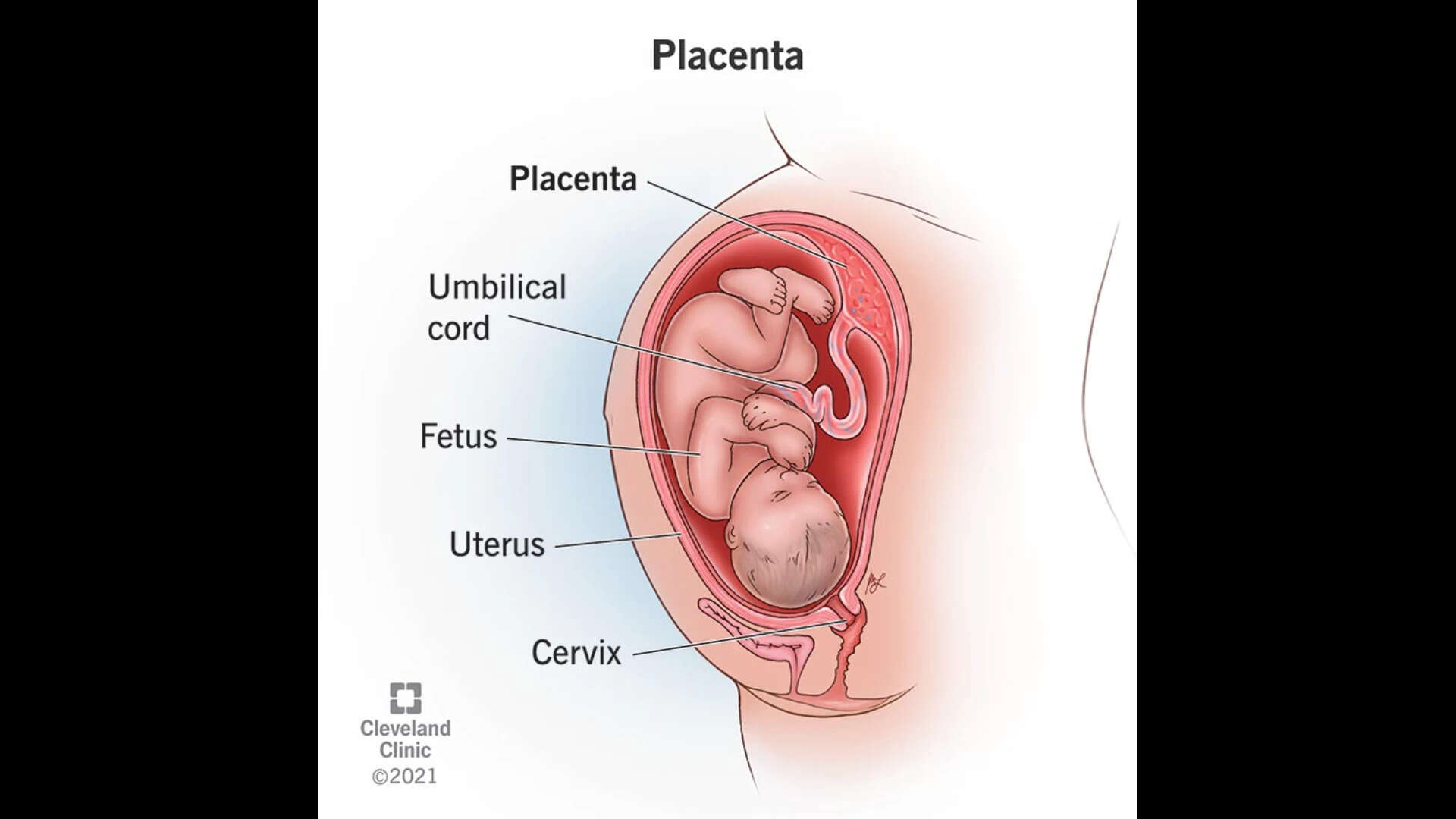
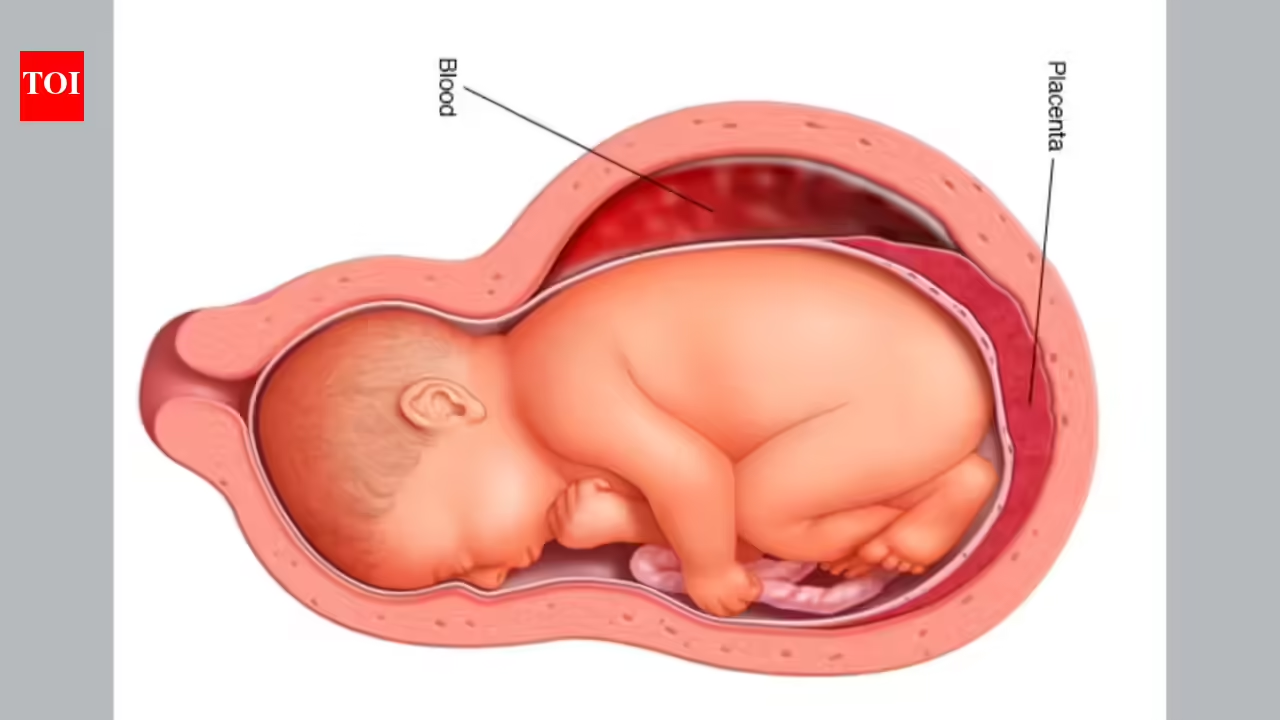
What is human placenta?
An FIA official told BBC Urdu the agency “had previously ‘taken several actions against illegal human organ transplantation’, but this is the first case involving an ‘organised, international network dealing in human placenta’.”The five suspects initially claimed they were handling sheep’s placenta. Officials said they later admitted during questioning that the material was human placenta.
How the racket operated
Hina Kanwal, an officer at Pakistan’s Human Organ Transplant Authority, said the suspects sourced the placentas from hospitals in Islamabad and Rawalpindi.Investigators believe the group bought the tissue, dried and processed it at the illegal facility before arranging overseas shipments.In Pakistan, commercial harvesting of human organs is a criminal offence. Those convicted can face up to 10 years in prison and a fine of up to one million Pakistani rupees.
Why placentas are tightly regulated
The placenta is a temporary organ that develops during pregnancy and connects the baby to the mother through the umbilical cord. It supplies oxygen and nutrients to the developing baby while removing waste products. After childbirth, it is usually discarded as medical waste unless the mother chooses to keep it for approved personal, cultural or medical reasons.Sadaf Tariq, a gynaecologist in Pakistan, said there are strict regulations around the disposal of placenta, which is considered “highly infectious medical waste”.Hospitals generally require a mother’s consent before releasing a placenta for research or personal use. If it is not claimed, it is disposed of under biomedical waste regulations by government-approved companies, with strict records maintained throughout the process.
Demand and health risks
Although the placenta contains proteins, iron and fats, some people believe it has health benefits for adults. It has been processed into pills and injections claimed to support tissue regeneration, though scientific evidence remains mixed and regulations differ from one country to another.Health experts warn that human placentas can carry viruses, bacteria and other infectious diseases if they are not collected, stored and tested properly. Illegal trafficking bypasses these safeguards, increasing the risk of contamination and misuse.
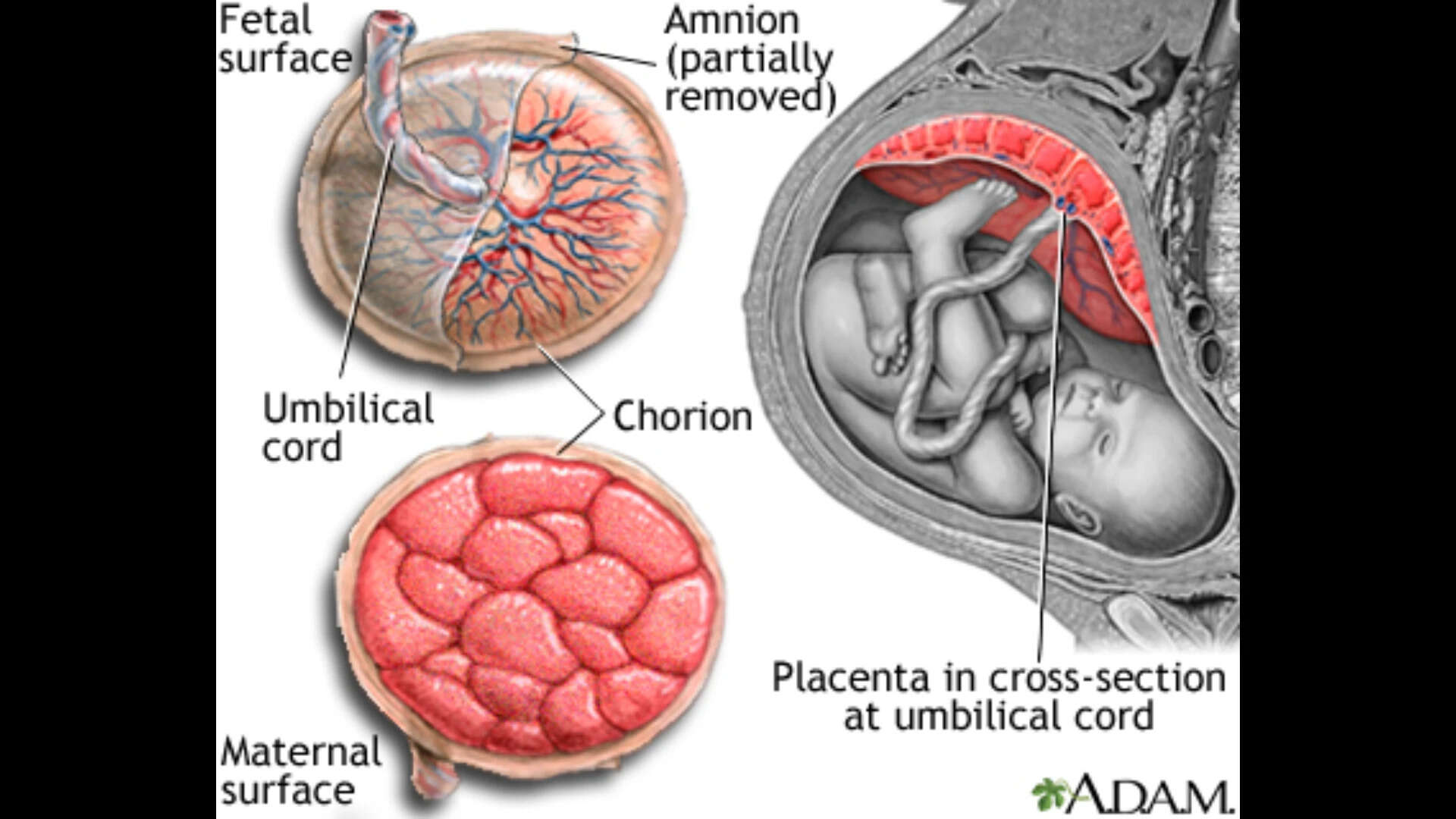
Anatomy of a normal placenta
Similar cases reported worldwide
Authorities have investigated similar cases in several countries over the years.China has repeatedly uncovered networks accused of buying placentas from hospitals and selling them on the black market, often for use in traditional medicine or health supplements despite official health warnings.South African police have investigated the theft of placentas from hospitals, with authorities believing some were destined for illegal traditional medicine markets. Kenya has also reported cases of placentas disappearing from hospitals because of beliefs about their spiritual significance. Nigeria has also recorded cases involving the suspected theft or illegal sale of placentas linked to traditional rituals or financial gain.Health authorities worldwide stress that while placentas can legally be used for approved medical research or pharmaceutical purposes, this requires informed consent, ethical approval and strict regulation. Unauthorised collection, sale or transport of human placentas is illegal in many countries and can lead to charges ranging from theft of human tissue and illegal medical waste handling to fraud, forgery, public health offences and trafficking in human biological material.


United Nations reveals how hunger helps bandits get members in the North

Suspected child trafficker confesses to selling friendâs son for N1.3m

Edo: Police arrest 77 suspects, rescue 38 kidnap victims

China’s New Mandatory PV Standards Signal Shift from Scale to Efficiency, Impacting Global Supply Chains

Top Boy actor rape trial: Woman breaks down as she denies consensual encounter

INEC extends Voter registration by two weeks

Delta approves 13th-month salary for workers, plans teacher recruitment

 Society1 day ago
Iyabo Obasanjo clarifies father’s real age
- Society2 days ago
Outrage As Video Of Primary Schoolgirls Smoking And Drinking Surfaces Online
- World3 days ago
Boy, 3, pulled alive from rubble six days after Venezuela earthquake disaster
- Breaking2 days ago
Nigerian nun in tears as she’s released after being arrested by ICE while walking to Mass in the US (video)
- Breaking2 days ago
"I would have contacted HIV or Hepatitis B if I had stayed" – Nigerian woman says as she reflects on her failed marriage
- Investigation1 day ago
Eight de@d and 13 injured after being hit by truck ‘being driven by child’
- Investigation3 days ago
Xenophobia: Nigeria wonât accept any damage to its interests and businesses, Presidential Aide says
- Investigation3 days ago
"Iâm Nigerian and Iâm officially exhausted" – Actress Ireti Doyle laments insecurity, economic hardship, severe flooding