Society
Preventing waterborne diseases in children during rainy season

The rainy season brings welcome relief from extreme heat across Nigeria and joy for farmers practising a rain-fed agricultural system, but it also increases the risk of waterborne diseases, particularly among young children and people living in flood-prone areas. Commuters, however, have another story to tell.
Flooded environments, contaminated drinking water, poor sanitation, and inadequate hygiene create conditions that enable the rapid spread of harmful bacteria, viruses, and parasites. Children under the age of five are especially vulnerable because their immune systems are still developing.
Meanwhile, in this article, Tribune Online highlights effective strategies for preventing waterborne diseases in children in Nigeria, which is essential for protecting families during periods of heavy rainfall.
Following evidence-based guidance from the World Health Organisation (WHO) and the Nigeria Centre for Disease Control and Prevention (NCDC) can reduce the risk of infection and improve child health outcomes.
Reasons waterborne diseases increase during rainy season
Heavy rainfall often contaminates rivers, wells, boreholes, and other water sources with sewage, animal waste, and harmful microorganisms. Floodwater can also carry disease-causing organisms into homes and communities, increasing exposure to infections.
According to the WHO, in 2022, at least 1.7 billion people globally, used a drinking water source contaminated with faeces. Microbial contamination of drinking-water as a result of faecal contamination with faeces poses the greatest risk to drinking-water safety.
This contaminated water and poor sanitation contribute to diseases such as cholera, typhoid fever, dysentery, and diarrhoeal illnesses, which remain among the leading causes of illness and death in young children worldwide. During Nigeria’s rainy season, outbreaks become more likely when communities lack access to safe drinking water and proper sanitation facilities.
Effective strategies for preventing waterborne diseases in children
Ensure children drink safe water
Providing clean drinking water is one of the most effective ways to prevent waterborne diseases in children.
Therefore, parents should boil water before drinking if its safety is uncertain or use appropriate water purification methods such as filtration or approved chlorine treatment. Drinking water should always be stored in clean, covered containers to prevent contamination after collection.
It is recommended to use safely managed drinking water and protect household water from contamination during storage and handling, especially in areas experiencing flooding or poor sanitation.
ALSO READ: 4 ways to support a partner or friend living with sickle cell
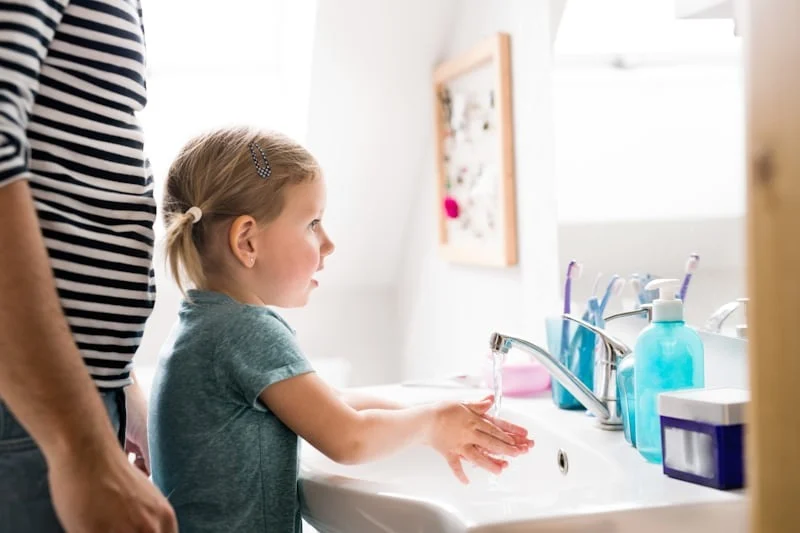
Also, handwashing remains one of the simplest and most effective disease prevention measures.
Children should wash their hands thoroughly with soap and clean running water before eating, after using the toilet, after playing outdoors, and after contact with floodwater or contaminated surfaces. Parents and caregivers should also practise proper hand hygiene before preparing food, feeding children, or caring for sick family members.
The NCDC identifies regular handwashing with soap as a key public health measure for preventing infectious diseases, including diarrhoeal illnesses.
Maintain good food safety practices
Similarly, food can easily become contaminated when prepared or stored under unhygienic conditions.
Parents should ensure that meals are cooked thoroughly and served while still hot. Fruits and vegetables should be washed with safe water before consumption, and leftover food should be refrigerated or safely reheated before eating.
Raw and cooked foods should be kept separate to reduce the risk of cross-contamination. Food preparation surfaces and utensils should also be cleaned regularly using safe water and detergent.
Keep home and surroundings clean
Poor environmental sanitation contributes significantly to disease transmission during the rainy season.
Households should dispose of waste properly, prevent stagnant water from accumulating around homes, and keep toilets and drainage systems clean. Floodwater should be avoided whenever possible, as it may contain harmful pathogens and hazardous waste.
Maintaining a clean environment helps reduce children’s exposure to contaminated water and disease-causing organisms.
Recognise early symptoms, seek medical care
Unfortunately, despite preventive measures, children may still become ill. So parents should watch for symptoms such as persistent diarrhoea, vomiting, fever, stomach pain, dehydration, or blood in the stool. Young children can lose body fluids quickly, making dehydration a medical emergency.
The WHO recommends immediate use of Oral Rehydration Solution (ORS) and zinc supplementation for most cases of acute diarrhoea while seeking prompt medical attention. Caregivers should never delay visiting a qualified healthcare provider if symptoms worsen or dehydration develops.
Interestingly, preventing waterborne diseases should extend beyond individual households. Schools, healthcare facilities, community leaders, and local authorities all play important roles in promoting hygiene education, improving sanitation infrastructure, and ensuring access to safe drinking water.
Public health campaigns should be organised during the rainy season to help families understand preventive measures and encourage early reporting of suspected outbreaks, allowing health authorities to respond more effectively.
Effective prevention of waterborne diseases in children in Nigeria begins with safe drinking water, proper sanitation, good hygiene, and early medical care. While the rainy season increases the risk of infection, most waterborne diseases can be prevented through simple but consistent public health practices.
Hence, by following recommendations from the World Health Organization and the Nigeria Centre for Disease Control and Prevention, parents and caregivers can protect children from preventable illnesses and help create healthier communities throughout the rainy season.


BREAKING: After Missing Penalty, Tearful Lionel Messi Rescues Argentina To Stunning Comeback Win Vs Egypt

Norway hit by sickness bug days before World Cup clash with England

2026 World Cup: ‘I’m very hopeful’ – Troost-Ekong predicts Morocco vs France

Foreign Office issues 2-day travel disruption warning for Turkey area

EFCC hands over 1,452 recovered hostel items to education ministry

There’s some truth to ‘school na scam’. I’m doing better than all my lecturers – Jim Iyke

US to investigate ₦1.3bn funding linked to fake Nigerian presidential agency, Tinubu’s chief of staff named

 Society2 days ago
H0rny Old Man Caught On Camera In Broad Daylight Trying To Chop Mad Woman At Roadside
 Society3 days ago
Sad Video emerges showing Kenyan Lady working in the Middle East crying in distress
- Investigation4 hours ago
15-year-old student slashes schoolmate with cutlass for allegedly touching her brâ¬ast repeatedly during school clean-up exercise
- Society1 day ago
Chaos At Cemetery As Area Boys Hijack Dead Body In Coffin, Stops Family From Burial Over Unpaid Debt
- Investigation1 day ago
If this was AFCON the nonsense being said would be crazy â Former Congolese footballer Yannick Bolasie slams FIFA over Balogun red card reversal
- Politics3 days ago
Okpebholo seeks wider support as UNIBEN launches ₦100bn Trust Development Fund
- Society3 days ago
Armed Robbers Target Mobile Money Vendor, One Shot Dead as GH¢140,000 Is Recovered
- News2 days ago
Obi demands accountability over IMF’s ₦8.83tn off-budget spending report