Society
Recreational drugs, including cannabis, can cause stroke — Study

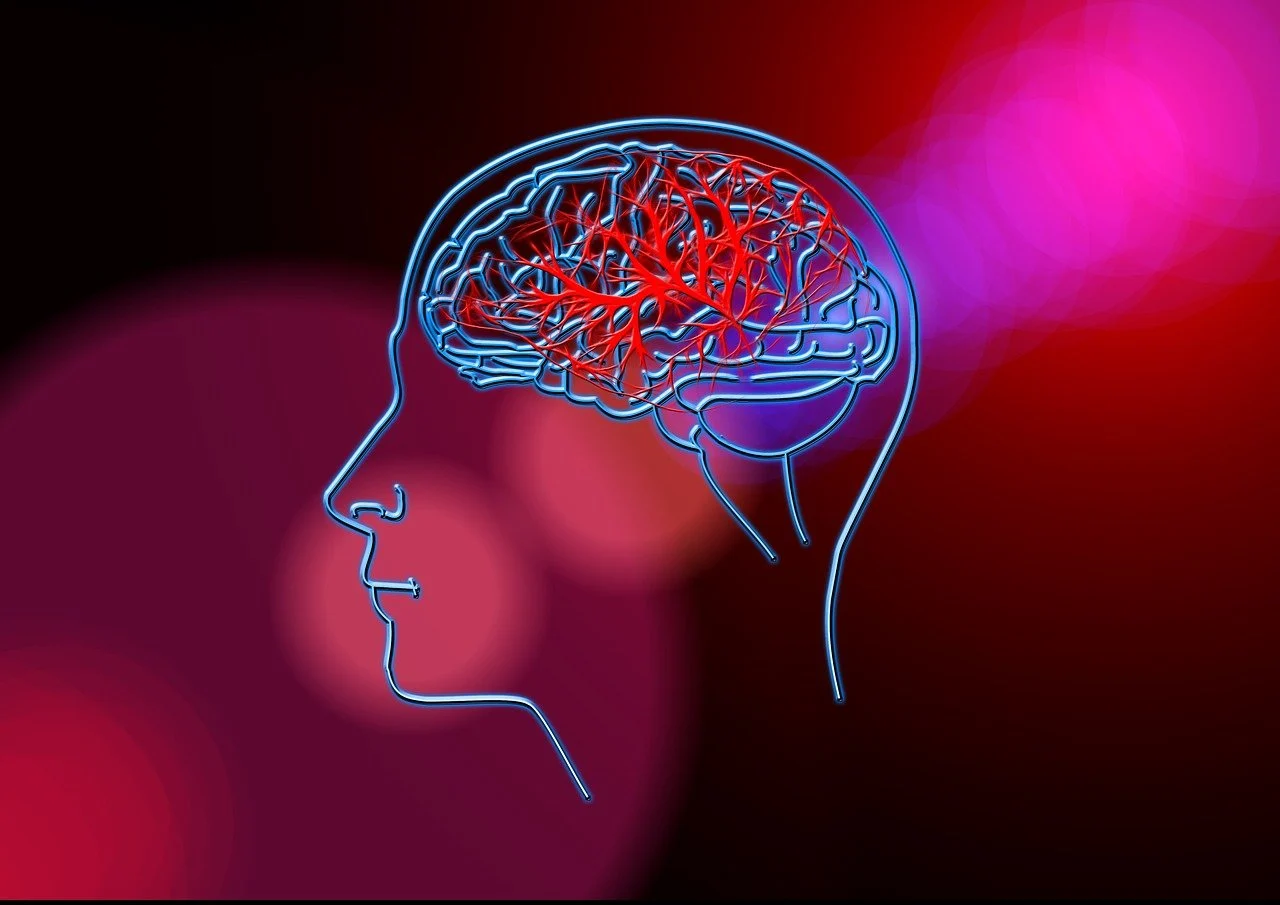
A major international study has found that recreational drugs such as cannabis, cocaine, and amphetamines may significantly increase the risk of stroke, with the greatest danger observed among younger adults.
The research, led by scientists at the University of Cambridge, analysed data from more than 100 million people and found that amphetamine use increased stroke risk by 122%, cocaine by 96%, and cannabis by 37%. Among adults under 55, amphetamine use was associated with an even greater 174% increase in stroke risk.
The study, published in the International Journal of Stroke, is one of the largest to examine whether recreational drug use contributes to stroke, a condition that remains the world’s third leading cause of death and disability.
While smoking, high blood pressure, and unhealthy diets are well-known stroke risk factors, scientists have long debated whether recreational drugs directly increase the likelihood of suffering a stroke or whether the risk stems from other lifestyle factors common among users.
For the study, the Cambridge team conducted a large meta-analysis, combining results from multiple studies involving more than 100 million participants. They also used a genetic technique to determine whether the observed association is likely to be causal rather than coincidental.
According to them, the genetic analysis strengthened the evidence that cannabis and cocaine use disorders may directly contribute to stroke.
Researchers found that cocaine use disorders were strongly associated with brain haemorrhage and cardioembolic stroke, which occurs when a blood clot forms in the heart and travels to the brain. Cannabis use disorders were linked to stroke overall, particularly large-artery stroke.
The study also found that problematic alcohol use and alcohol addiction increased the risk of several major stroke types, particularly among younger adults.
In people under the age of 55, amphetamine use was linked to a 174% increase in stroke risk, while cocaine use raised the risk by 97%. Cannabis use was also associated with an increased risk, although the effect was smaller at 14%.
The researchers suggested that these drugs can increase stroke risk by causing sudden spikes in blood pressure, narrowing of blood vessels, disruption of heart rhythms, increased blood clotting, and promoting inflammation — all of which are known to contribute to both ischaemic and haemorrhagic strokes.
Lead author Dr Megan Ritson said the findings provide the strongest evidence to date that cocaine, amphetamines, and cannabis should be considered causal risk factors for stroke.
Co-author Dr Eric Harshfield added that the study suggested that the drugs themselves, not simply the lifestyles of people who use them, appear to increase stroke risk, highlighting the importance of reducing substance abuse as part of broader stroke prevention efforts.
The researchers expressed optimism that the findings will help shape future public health policies as recreational drug use continues to rise globally.


Missing out on World Cup must inspire Super Eagles revival – Former Super Eagles captain William Troost-Ekong

Candace Owens-Andrew Kolvet feud reaches boiling point over Charlie Kirk legacy fight: ‘You are a CLOWN’

Plane goes missing near Pakistan as air traffic control loses contact with aircraft

Three tankers hit in Strait of Hormuz as US revokes licence on Iranian oil sales

World Cup: Wayne Rooney, Cesar Azpilicueta disagree over England’s celebrations

Harry says ruling dismissing Mail claims is ‘complete and obvious whitewash’
Harry says ruling dismissing Mail claims is ‘complete and obvious whitewash’

 Society2 days ago
H0rny Old Man Caught On Camera In Broad Daylight Trying To Chop Mad Woman At Roadside
 Society3 days ago
Sad Video emerges showing Kenyan Lady working in the Middle East crying in distress
- Society1 day ago
Chaos At Cemetery As Area Boys Hijack Dead Body In Coffin, Stops Family From Burial Over Unpaid Debt
- Investigation1 day ago
If this was AFCON the nonsense being said would be crazy â Former Congolese footballer Yannick Bolasie slams FIFA over Balogun red card reversal
- Investigation4 hours ago
15-year-old student slashes schoolmate with cutlass for allegedly touching her brâ¬ast repeatedly during school clean-up exercise
- Politics3 days ago
Okpebholo seeks wider support as UNIBEN launches ₦100bn Trust Development Fund
- Society2 days ago
Armed Robbers Target Mobile Money Vendor, One Shot Dead as GH¢140,000 Is Recovered
- News2 days ago
Obi demands accountability over IMF’s ₦8.83tn off-budget spending report