Society
Shipping through Strait of Hormuz slows as US-Iran conflict intensifies

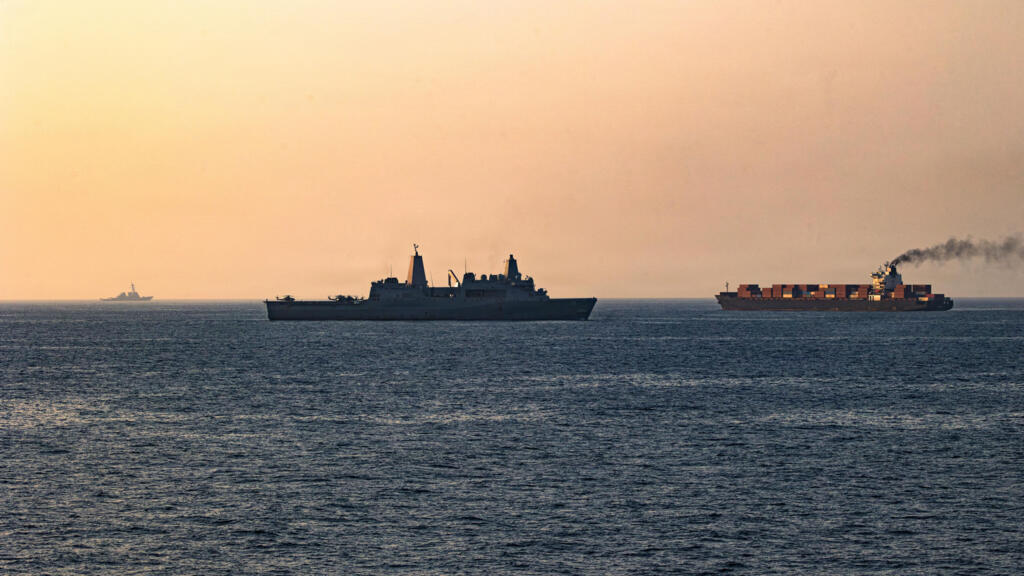
Traffic through the Strait of Hormuz has dropped to its lowest level in months as escalating hostilities between the United States and Iran continue to disrupt one of the world’s most critical energy corridors.
According to shipping data reviewed by Reuters, only three commodity vessels transited the strategic waterway on Thursday, marking the lowest daily movement since May.
The sharp decline follows renewed Iranian attacks on commercial vessels and the reimposition of a US blockade targeting Iran-linked shipping, prompting many ships to delay voyages or reverse course.
The Strait of Hormuz, through which a significant share of the world’s oil and liquefied natural gas exports passes, has witnessed a dramatic reduction in maritime activity, adding fresh pressure to global energy markets.
Data from Kpler showed that Miraan, a sanctioned fuel oil tanker, and Norita, a liquefied petroleum gas carrier, exited the strait via Iranian waters before stopping in the Gulf of Oman, where the US naval blockade remains in effect.
Meanwhile, Arolia, a bunkering tanker transporting Iraqi fuel oil for refuelling ships at sea, reportedly turned back into the Gulf only hours after leaving the strait, according to LSEG shipping data.
The slowdown has been stark. On Wednesday, just 11 vessels crossed the waterway, far below the pre-conflict daily average of around 125 ships. For a second consecutive day, no Very Large Crude Carriers (VLCCs) or liquefied natural gas (LNG) tankers were recorded passing through the strait.
However, two VLCCs carrying approximately two million barrels of crude oil each later reappeared on vessel tracking systems outside the strait.
Shipping data indicates that Colombia Prosperity, loaded with Saudi crude, is bound for Okinawa, Japan, while Costa Rica Prosperity, carrying Iraqi Basra Medium crude, is headed for Turkey.
Conflicting shipping records showed slight discrepancies over the timing of their transit, with Kpler indicating the vessels crossed on July 13, while S&P Global Energy assessed that they exited the strait on July 14.
Elsewhere, Iraq briefly halted oil loading operations at its Basra export terminal after a drone strike hit an oil tanker, according to Iraqi oil and security officials. Export activities later resumed.
Adding to concerns, Iran’s Islamic Revolutionary Guard Corps declared that no oil or gas shipments would pass through the Strait of Hormuz for as long as US military strikes continue, according to Iran’s Tasnim News Agency.
Tehran has also reportedly warned that it could encourage Yemen’s Houthi rebels to target the Bab el-Mandeb Strait at the southern entrance to the Red Sea if Washington expands its attacks on Iranian infrastructure.
Such a move would threaten another major global shipping route and further disrupt international energy supplies.


Yobe Approves N460m Support Package for Women-Owned Small Businesses

Lewis Hamilton makes relationship with Kim Kardashian more public as he posts photos of her and her kids and calls them his ‘people’

Transfer: Olise desperate to leave Bayern Munich for Real Madrid

FUTA Warns Nigerian Universities Against Producing Too Many Weak Graduates

NDLEA declares drug kingpin, 3 associates wanted, blocks N9.8billion in accounts

Oyo abduction: More victims discharged, fear keeps schools shut

Man, 29, renounces cult membership, surrenders pistol to police

 Society2 days ago
35-Year-Old Man Breaks Down In Tears Like A Baby At Roadside After Wife Reportedly Goes Missing At Kasoa Market
- Investigation2 days ago
Suspected ISWAP logistics supplier arrested with food items bound for terrorists in Borno
- National2 days ago
JUST IN: Senate to give N10million each to families of security operatives, teachers killed in Oriire rescue
- Investigation2 days ago
R Kelly officially asks President Trump to end his 30-year prison sentence for s 3x crimes
- Investigation3 days ago
Veterans demand â¦250,000 Minimum Wage for soldiers
- National1 day ago
2026 Ballon d’Or: Top 4 players to win award ahead of World Cup final
- News2 days ago
Retiree’s Pension Jumps From N18,000 To N206,000 After Government Reform
- Investigation2 days ago
âThereâs nothing more absurd than the âEmi Lokanâ sloganâ â Falz knocks slogan of current administration