Society
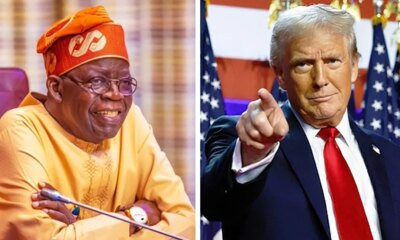
Tinubu funded Harris campaign to stop Trump from blocking 2027 re-election over drug case, Christian killing – Abba

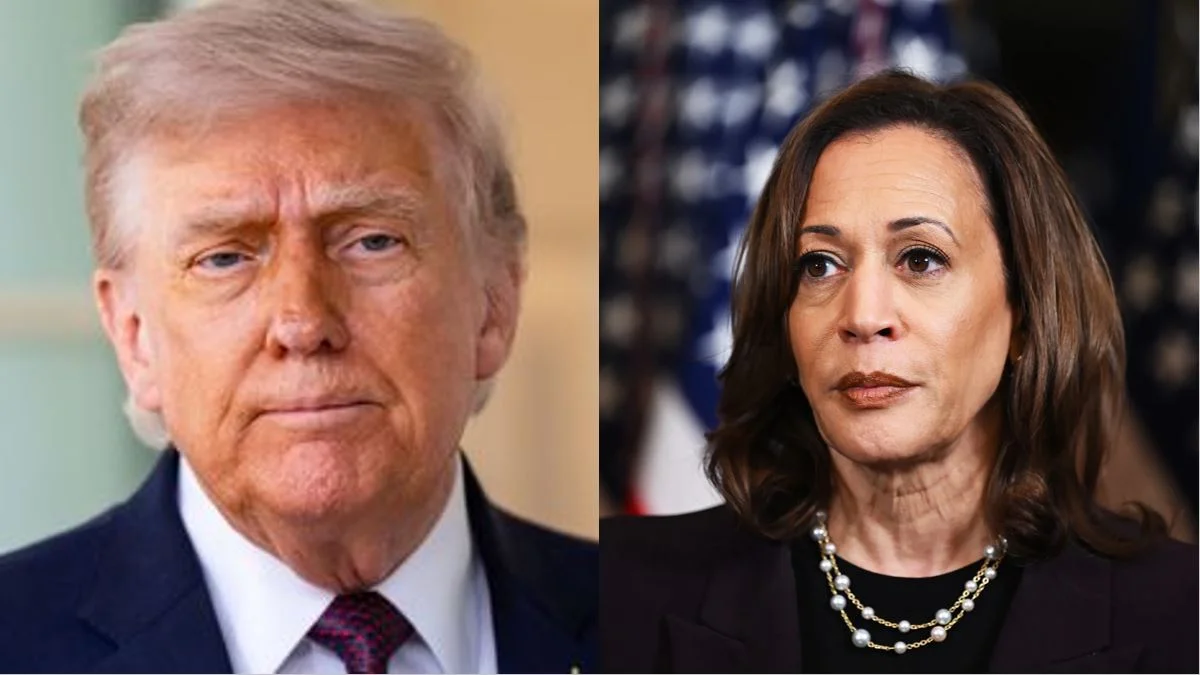
A Professor of International Relations at the University of Abuja, Abubakar Sadeeque Abba, has claimed that President Bola Ahmed Tinubu allegedly supported the 2024 United States presidential campaign of former Vice President Kamala Harris out of concern that Donald Trump could frustrate his chances of securing reelection in Nigeria’s 2027 presidential election.
Abba made the claims during an appearance on Trust TV’s Sunday Politics programme while discussing recent statements by President Donald Trump and the possibility of American intervention in Nigeria over allegations of killings targeting Christians.
According to the professor, the growing pressure from Washington, including renewed discussions surrounding Nigeria’s designation as a Country of Particular Concern over religious freedom issues, is driven more by strategic and political calculations than by humanitarian concerns. He argued that the United States is increasingly focused on influencing Nigeria’s political direction ahead of the 2027 general election.
Abba alleged that one of Washington’s major objectives is to prevent President Tinubu from winning a second term. He further claimed that Tinubu was among several international figures who mobilised financial support for Kamala Harris’s presidential campaign against Trump because they believed a Trump presidency would create wider global challenges. According to him, French President Emmanuel Macron and other foreign leaders also backed Harris for similar reasons.
The professor claimed that Trump has not forgotten those who allegedly worked against his presidential bid and suggested that the current rhetoric directed at Nigeria is part of a broader political response. Emphasising his confidence in the allegation, Abba stated during the television interview that he was willing to swear by the Quran that his claim was true.
The changing approach of successive US administrations toward Nigeria, you could recalled that during Trump’s first term in office, Nigeria was designated a Country of Particular Concern over concerns about religious freedom and violence affecting Christians. but former President Joe Biden’s administration later removed Nigeria from the CPC list, arguing that the different positions reflected changing political priorities in Washington.
There are also campaigns by majority Nigerians who had called on the administration of former US President Joe Biden to release additional US government records relating to longstanding allegations involving Tinubu, including claims connected to drug trafficking and money laundering during his time in the United States.
The agencies including the Federal Bureau of Investigation (FBI), Drug Enforcement Administration (DEA) and other US government bodies did not release the requested records during Biden’s presidency. However, requests for government documents are governed by US laws, privacy protections, court decisions and national security exemptions, and there is no public evidence showing that any agency withheld records as part of a political agreement.
The allegations surrounding Tinubu’s past in the United States have largely focused on a 1993 civil forfeiture case involving approximately $460,000 seized from accounts linked to him after US authorities raised concerns about possible connections to narcotics-related proceeds. Tinubu has consistently denied involvement in drug trafficking or criminal activity, stating that the funds came from legitimate business activities. The forfeiture resulted in the surrender of the money to US authorities, but Tinubu was not convicted of drug trafficking or any drug-related criminal offence.
Abba maintained that Trump’s position is not primarily about protecting Christians, Muslims or addressing insecurity in northern or southern Nigeria. Instead, Abba argued that American policy is largely influenced by strategic interests, including Nigeria’s vast oil reserves, lithium deposits and other critical rare earth minerals, particularly at a time when global competition with China is intensifying and geopolitical priorities in the Middle East continue to shift.
Drawing historical comparisons, Abba referenced what he described as pressure allegedly mounted by the administration of former US President Barack Obama on then-President Goodluck Jonathan before the 2015 general election. He argued that successive American administrations have consistently prioritised their national interests above humanitarian considerations.
The university lecturer also questioned the long-running insurgency in Nigeria, asking how terrorist groups such as Boko Haram had sustained access to funding and sophisticated weapons for more than two decades. He suggested that foreign interests have played significant roles in destabilising parts of Africa, citing the aftermath of the 2011 overthrow of former Libyan leader Muammar Gaddafi as an example of external intervention with lasting regional consequences.
Speaking on the possibility of direct American military involvement in Nigeria, Abba dismissed the prospect, insisting that any such intervention would be fiercely resisted. He declared that Nigeria would become “a graveyard for imperial ambitions” if foreign forces attempted military action.
The professor concluded by urging Nigerians to strengthen national unity, improve governance at both the federal and state levels and focus on homegrown solutions to the country’s security and political challenges rather than depending on foreign governments.


TikTok is testing a rival to Amazon Prime as it looks to create a US e-commerce giant

Fake police officer arrested after invading Bauchi female students’ lodge

Chief Prosecutor of International Court Is Removed After Sexual Misconduct Charge

Court sentences man to d3ath by hanging for m8rder of 23-year-old housewife in Kano

Salis visits Atiku, to meet Tinubu, Obasanjo over national development

âI hate when men call women gold diggers. If you can’t afford it, don’t dateâ â Actress Bukky Wright shares her views on relationships

RFK Jr.’s peptide push narrowly gains backing from FDA advisers despite objections from scientists

 Investigation2 days ago
Married woman humiliated after allegedly being caught cheating on her husband with another man in Kogi community
- Investigation3 days ago
âHe bargained the car from â¦15m to â¦13.5m and asked for a test driveâ â Car dealer recounts how suspected car thief allegedly stole vehicle before being caught
- Society3 days ago
Outgoing British High Commissioner praises Tinubu’s economic reforms
 Breaking24 hours ago
âFailed nation, failed parenting and lack of home training’- Lawyer, Deji Adeyanju blasts podcast host for saying a poor man has no place in her heart’
- Investigation3 days ago
Tell my ex-wife to leave, I want to bring my sick mother home â Man begs court
- Society2 days ago
FULL TEXT: Trump’s letter to Tinubu
- Investigation3 days ago
Two firefighters collapse while battling fire at Lagos residential building
- Investigation3 days ago
Influencer Andrew Tateâs new charges include 19 for âIndecent Images of a Childâ and âExtremeâ p0*r^