News
Wildlife expert seeks snake protection laws to curb Lassa fever

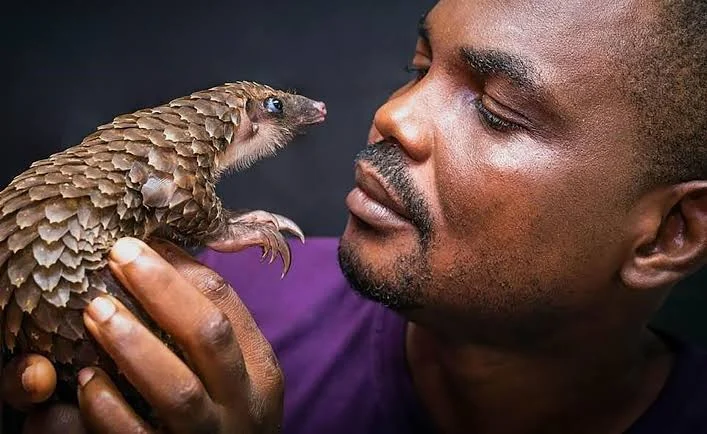
The Federal Government has been urged to enact and enforce laws protecting snakes and other wildlife species as part of efforts to reduce the spread of Lassa fever and other zoonotic diseases in Nigeria.
A wildlife conservation expert, Dr Mark Ofua, made the call during a media chat to commemorate World Zoonoses Day on Saturday.
He warned that the indiscriminate killing of snakes and other natural predators had contributed to the proliferation of disease-carrying rodents.
According to Ofua, who is also a veterinarian, snakes play a critical role in controlling rat populations, particularly the multimammate rats that transmit the Lassa fever virus to humans.
He said, “The government should put deliberate laws and regulations in place to protect our snakes.
“If you go to bushmeat markets, snakes are a major feature there. As we continue to decimate snake populations, rats multiply, increasing the risk of diseases.
“Instead of trying to eliminate rats directly, we should allow nature to do its work by protecting the animals that naturally control them.”
Ofua also called for awareness campaigns to change public perceptions about animals such as snakes, owls and cats, which he described as important allies in preventing the spread of rodent-borne diseases.
He warned that the widespread use of rodenticides was also reducing the population of birds of prey, including owls and eagles, after they fed on poisoned rodents.
“The use of rat poison is decimating our owls and other birds of prey because they cannot distinguish poisoned rats from healthy ones. They eat them and die, weakening nature’s ability to control rodents,” he said.
The conservation expert also advocated tighter regulation of the bushmeat trade, particularly a ban on hunting, selling and importing primates, citing the risk of Ebola transmission.
He explained that wildlife conservation should not be viewed as an attempt to stop people from eating meat but as a strategy to sustainably manage natural resources while protecting public health.
“At Wild Africa, one of our maxims is ‘Keep them wild and keep us safe.’ If wildlife remains in its natural habitat, humans are less exposed to diseases transmitted from animals,” he added.
Ofua urged the government to adopt stronger conservation policies, saying healthy ecosystems serve as one of the most effective natural barriers against zoonotic disease outbreaks.







Decomposing body of decapitated woman found at dump site (Photos)

Four kidnapped during NECO exams rescued – Kogi govt

Heartbroken woman sobs on live video as she reveals her husband welcomed a baby with his side chick

Eniola Badmus Sparks Reactions After Bold Statement About Wealth

FG opens CNG conversion, training centre in Kebbi

2027: Six Oyo APC guber aspirants reject Alli as guber candidate

ADC Mourns as Rotimi Amaechi Loses Mother

 Society2 days ago
35-Year-Old Man Breaks Down In Tears Like A Baby At Roadside After Wife Reportedly Goes Missing At Kasoa Market
- Investigation2 days ago
Suspected ISWAP logistics supplier arrested with food items bound for terrorists in Borno
- National2 days ago
JUST IN: Senate to give N10million each to families of security operatives, teachers killed in Oriire rescue
- Investigation2 days ago
R Kelly officially asks President Trump to end his 30-year prison sentence for s 3x crimes
- National1 day ago
2026 Ballon d’Or: Top 4 players to win award ahead of World Cup final
- Investigation3 days ago
Veterans demand â¦250,000 Minimum Wage for soldiers
- News2 days ago
Retiree’s Pension Jumps From N18,000 To N206,000 After Government Reform
- Investigation2 days ago
âThereâs nothing more absurd than the âEmi Lokanâ sloganâ â Falz knocks slogan of current administration