Breaking
Tinubu’s Economic policies deepening hardship, not easing it — ADP Chieftain

Advertisement
Advertisement
…Says good intentions not enough —
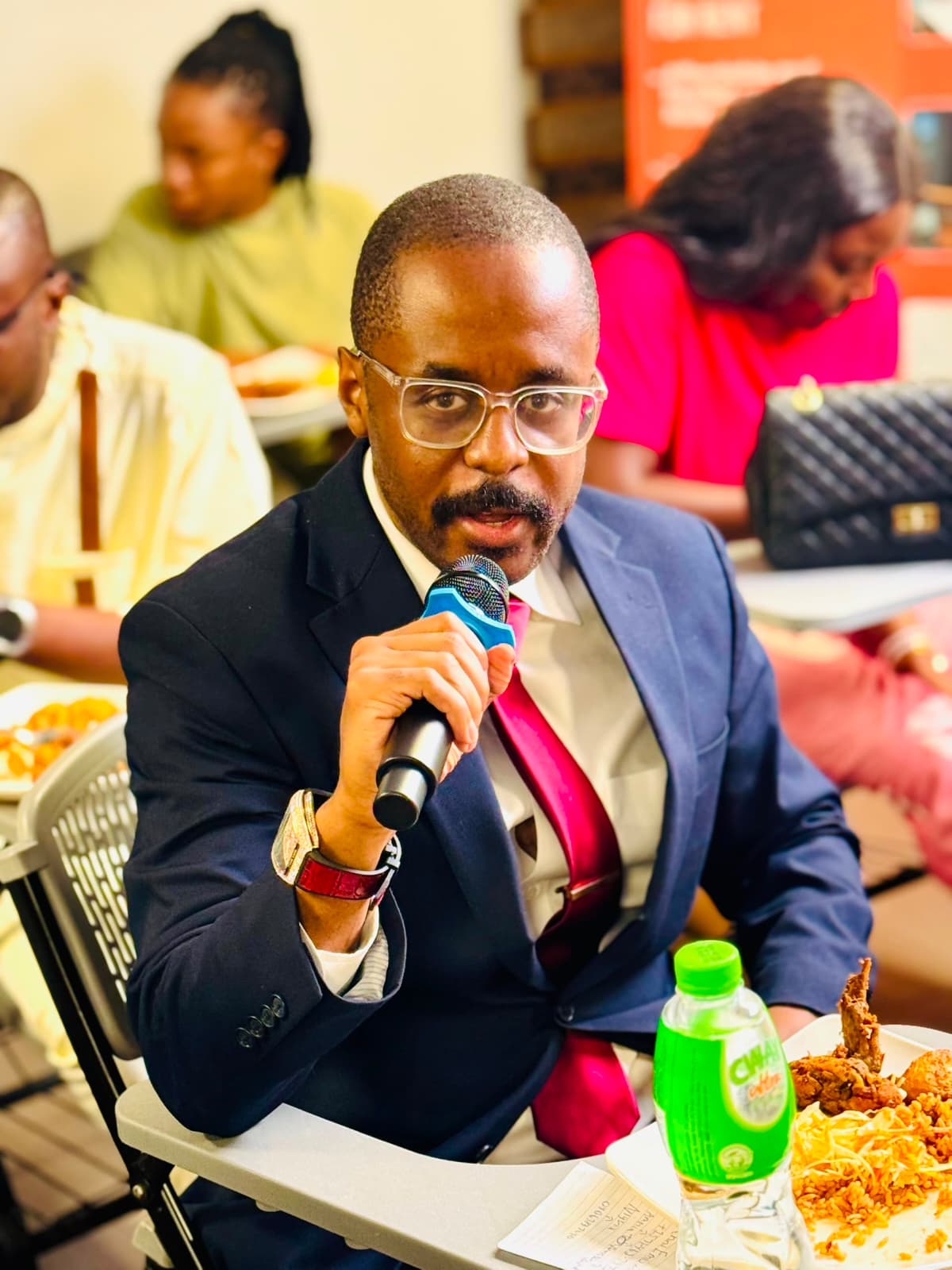
A United States-based entrepreneur and chieftain of the opposition Action Democratic Party (ADP), Chris Emejuru, has criticised some economic policies of President Bola Tinubu’s administration, saying they have worsened hardship and pushed more Nigerians into poverty.
Mr Emejuru, however, acknowledged that the policies might have been introduced with good intentions but argued that good intentions alone were insufficient, stressing that compassion, proper planning and effective implementation were critical to leadership.
In a statement made available to journalists on Sunday in Abuja and titled “Nigeria at a Crossroads,” the ADP chieftain said the complete removal of petrol subsidy was not the best approach to addressing Nigeria’s economic challenges.
According to him, the policy was expected to free up funds for investment in critical sectors such as healthcare and education, while the liberalisation of the foreign exchange market was intended to stimulate private-sector growth and create employment opportunities.
He said although the reforms had produced some positive outcomes, poverty remained widespread across the country.
“These policies have had some positive effects, but the question remains: Why is poverty still the dominant issue in Nigeria?” he asked.
Mr Emejuru said the sharp increase in the cost of petrol had triggered higher prices of food, transportation and housing, placing additional pressure on households and businesses.
“It made things worse. The increase in petrol prices has affected food prices, rent, transportation and critical sectors of the economy, leaving millions more Nigerians in poverty,” he said.
He argued that the subsidy removal should have been implemented gradually and accompanied by stronger social and economic safety nets.
“It should have been done gradually by providing safety nets such as affordable or alternative transportation, easier access to grants and other forms of assistance within the agricultural and food supply chains to make food more affordable.
“There should also have been policies providing incentives to the manufacturing and construction sectors to reduce housing costs and promote more affordable housing initiatives.
“Steps such as these, if properly implemented, would have eased the burden on many Nigerians suffering from the current economic crisis. Planning and organisation are vital,” he added.
On the liberalisation of the foreign exchange market, Mr Emejuru said the policy had produced some positive developments, including the reduction of bottlenecks and improved confidence among investors.
He, however, maintained that the reforms had yet to translate into improved living conditions for many Nigerians.
“It reduced bottlenecks and gave investors more confidence and certainty. But from the perspective of the average Nigerian, their lives have not improved.
“As of today, the exchange rate is hovering around N1,400 to the dollar. Many Nigerians who previously had the means to travel abroad, pay school fees or import goods for their businesses can no longer afford to do so,” he said.
Mr Emejuru advocated a managed float for the naira, under which market forces would play a role in determining the exchange rate while the government maintained some level of intervention to ensure stability and fairness.
“What I have always proposed is a managed float. This is where market forces do not solely determine the exchange rate, but where there is a peg to create a level playing field for all,” he said.
Commenting on the recent tax reforms, the ADP chieftain said the measures might not directly harm small and medium-sized enterprises but questioned the extent to which their benefits were being felt by businesses and ordinary Nigerians.
“The recent tax reforms enacted do not hurt SMEs, but where are the practical benefits? Yes, there are exemptions, but genuine harmonisation and effective implementation are crucial to ensuring that Nigerians do not feel cheated and that jobs and opportunities are expanded,” he said.
Mr Emejuru urged the Federal Government to increase investment in the digital economy, arguing that such investments could create more opportunities and deliver greater benefits to Nigerians.
“More investment in the digital economy would benefit Nigerians more than reforms that have good intentions but do not adequately address the realities facing the people,” he added.


Crushed by Kospi rout, angry Koreans rip Lee and vow not to buy

Our partnership with Kaduna is tackling insecurity — Ribadu

Wildfires rage across Europe as firefighters battle blazes strengthened by gale-force winds

LAWMA seals shops, others in Lagos over indiscriminate waste disposal

INEC fixes BVAS glitch affecting old PVCs ahead of Osun governorship election

Uromi JDPCI calls for sustained stakeholders collaboration to end child trafficking

Tom Holland and Zendaya share another box-office hit as ‘Spider-Man: Brand New Day’ makes history on the heels of ‘The Odyssey’

 Investigation2 days ago
âSome of us are âpick meâ and we wouldnât know. I used to do things for men I liked when it was supposed to be the other way aroundâ â Lady reveals
- Investigation2 days ago
âMy ex just logged me out of his Netflix and Prime because I said he is weird and I regret meeting him. That doesnât mean he should remove meâ â Nigerian lady reacts as ex revokes her access
- Breaking2 days ago
âWe are going to beat the f**king sh*t out of themâ – Trump issues sharp warning to Iran as diplomacy ends after surprise attack on US base
- Investigation2 days ago
âTinubuâs comment on hunger insensitiveâ- Peter Obi
- Investigation2 days ago
Before you go about snatching someone else’s husband, please check the quality of what your’re snatching first- actress Rita Edochie shades an unnamed âhusband snatcherâ
- Investigation3 days ago
âNigeria is the Republic of docile peopleâ- OAP Dotun slams critics of Tyla concert boycott as he recalls South Africa’s treatment of Burna Boy
- Breaking2 days ago
âNigeria is the Republic of docile peopleâ- OAP Dotun slams critics of Tyla concert boycott as he recalls South Africa’s treatment of Burna Boy
- News2 days ago
NSCDC hunts vandals, recovers ₦1.8m streetlight cables in Jigawa