News
Death Rate Must Drop: UNILAG College Of Medicine Launches High-Tech On Nigeria’s Healthcare Crisis

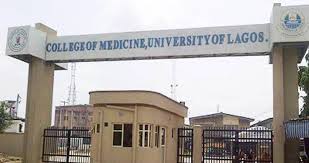
(College of Medicine. Photo by Instagram)
The University of Lagos’ College of Medicine has declared its intention to significantly lower mortality rates in Nigeria by improving health outcomes.
The college seeks to accomplish these objectives by coordinating research, diagnosis, and therapy in order to provide patients with better care and enhance health outcomes.
Prof. Ademola Oremosu, the provost of CMUL, revealed this on Wednesday during a press conference announcing the first Scientific Conference of the college’s Faculty of Basic Clinical Science.
The conference will take place from June 23–25, 2026, with the theme “Precision in Practice: Integrating Diagnostics, Therapeutics and Clinical Insight for Patient-Centred Care.” Oremosu said as Nigeria advances in broader health sector reforms, with increasing emphasis on productivity, the college keyed in by establishing the faculty less than a year ago.
“The future needs of our health system are rapidly evolving, and we want to continue to remain globally relevant as a medical community. We deliberately reposition basic medical sciences as a central driver of healthcare delivery, innovation, and patient outcomes in Nigeria and across Africa,” he said.
Speaking on the theme of the conference, Oremosu noted that it had become imperative that patient-centred care remain at the forefront of practice.
“This theme reflects our commitment to bridging the gap between scientific discovery and clinical application. It also emphasises the importance of aligning research, diagnostics, and treatment in a way that ultimately improves the quality of care delivered to patients,” he said.
The provost explained that it was important that statistics of negative indices decrease in the country, adding that the college, through the conference, will champion a way to improve positive health outcomes.
Furthermore, it is imperative that we alter Nigeria’s current healthcare results. This faculty stands at a pivotal point in helping us improve these outcomes and make the statistics better than they used to be. So mortality rates will be reduced, and overall healthcare delivery will be improved,” Oremosu said.
Also speaking, the Dean, Faculty of Basic Clinical Science, Prof Fatimah Abdulkareem, said the conference would introduce the faculty to the world, anchored on precision medicine driven by innovation and defined by deep passion for contemporary clinical excellence.
“The theme speaks to the realities of healthcare today. It challenges us to move beyond theory and ensure that research, diagnostics, and clinical decision-making are better aligned in delivering quality care, with patients at the centre of all we do,” she said. According to her, we are deliberate about building a culture of excellence, collaboration, and relevance.
Abdulkareem added, “This conference is part of that journey. It is not just about presenting scientific papers; it is about creating a platform where ideas can translate into action, partnerships can be formed, and solutions can emerge.”
In addition to the scientific sessions, she stated that senior and retiring colleagues will be honored and recognized, and there would be community-focused outreach initiatives.
Prof. Titi Adeyemo, the conference chairman, stated that the college aimed to emphasize the vital role of fundamental clinical sciences and promote a more impactful and integrated approach to healthcare delivery through the conference.
According to her, “the theme reflects a clear and deliberate focus on moving beyond isolated efforts to a more coordinated system, where diagnostics, treatment, and clinical expertise work together seamlessly to improve patient healthcare.”
She claims that the conference will include a variety of thoughtfully chosen events, such as plenary talks, technical sessions, and multidisciplinary engagements, all designed to foster collaboration and generate practical insights across the healthcare value chain.
On his part, the Executive Director of the Healthcare Business Academy, Mr Wale Olajubu, said the conference would serve as a platform for alignment, bringing together academia, industry, and policy to solve real problems within Nigeria’s healthcare system.
He said, “The future of healthcare will not only be shaped by clinical excellence, but by how well we connect science, systems, and strategy.”







Man jailed for 37 years for murdering university lecturer has conviction quashed

2027: Politicians must abandon do-or-die approach – Jega

BREAKING: Nigerian Police Invite Activist Israel Joe To Abuja After Condemning Delta Command Mass Raid, Illegal Arrests By Adejobi's Men

Nurse who placed a bet with colleagues that a patient would die on Christmas Day is struck off

Israel-Lebanon agree to 10-day truce: What it means for Iran-US peace talks

New Palliative: Ogun State Workers Get ₦10,000 Monthly Cash To Combat Fuel Price Hike

Judy Austinâs ex husband, Emmanuel Obasi, writes on respect after Yul Edochie asked men to dump partners who have no respect for them

 Breaking2 weeks ago
Outrage as video of secondary school students in Benue state str!ping their classmate surfaces online
 News2 weeks ago
I Joined A Cult, Worked So Hard For Demons – Tonto Dikeh Confesses While Ministering (Video)
- News3 weeks ago
Heartbreaking Story Of 300-Level Ekiti University Student Who Was K!lled After Truck Crashed Into His Building (Video)
- National2 weeks ago
Environmental Sanitation: Lagos meets with LG, LCDA bosses
- News2 weeks ago
WAEC Releases 2026 WASSCE Timetable (Full List)
- Breaking2 weeks ago
Singer Flavour shows off Italian woman and vows to shower her with so much love that she’ll have no choice but fall in love (video)
- Breaking2 weeks ago
Mother Abandons 4 Children with Neighbor and Disappears for Months — Shocking Case Raises Questions
- World1 week ago
Trump LIVE: Iran war bombshell as Trump could be 'removed from Presidency'