National
IMF lifts Nigeria outlook, forecasts 4.3% growth in 2027

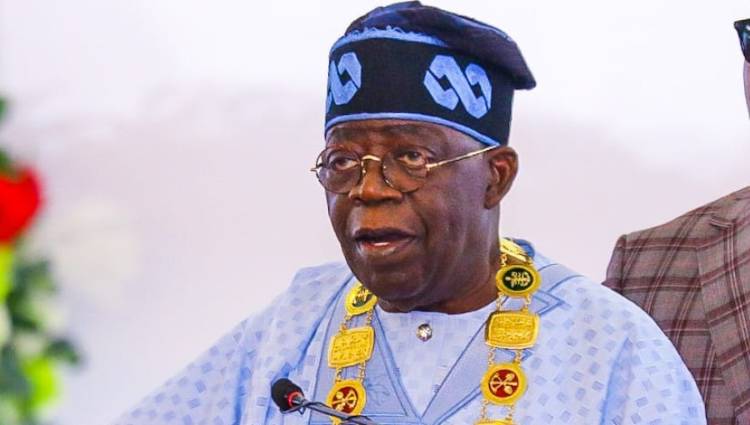
The International Monetary Fund (IMF) has projected that Nigeria’s economy will grow by 4.3 per cent in 2027.
The forecast, contained in the IMF’s latest World Economic Outlook, represents a 0.2 percentage point increase from the 4.1 per cent growth projection for 2026.
The new estimate signals rising confidence in Nigeria’s medium-term economic direction as the country continues to navigate reforms under President Bola Tinubu.
Despite the positive outlook for Nigeria, the IMF warned that the global economy faces mounting pressure following the outbreak of war in the Middle East.
It said that if the conflict remains limited in duration and scope, global growth is expected to slow to 3.1 per cent in 2026 before edging slightly higher to 3.2 per cent in 2027.
The Fund also projected that global inflation would rise modestly in 2026 before resuming its downward trend the following year.
According to the IMF, the impact of weaker growth and higher inflation is likely to be more severe in emerging and developing economies, particularly commodity-importing nations already dealing with structural vulnerabilities.
It added that risks to the global economy remain tilted to the downside, citing the possibility of a prolonged war, worsening geopolitical divisions, trade tensions and slower-than-expected gains from artificial intelligence.
The institution urged governments to adopt policies that improve resilience, strengthen credibility and deepen international cooperation.
Meanwhile, Daniel Bwala, special adviser to the president on policy communication welcomed the projection, describing it as evidence that Nigeria is making progress.
He said, “Latest projections by the International Monetary Fund show our economy growing at 4.1% in 2026, faster than the US, UK, Germany, and even South Africa.
“Slowly but steadily, the reforms are showing tangible fruits.
“Presdient Tinubu is not joking; he is seriously fixing the economy.”


Renewed Hope is a scam, Tinubu should resign — Aregbesola

ADC will not bow to political pressure — Mark

Rapper T.I. and Tiny’s son King Harris arrested for drug possession

Aliko Dangote and President of World Bank Group Picture

Shettima visits Kebbi, condoles families of late speaker, slain security agents
Shettima visits Kebbi, condoles families of late speaker, slain security agents

Eric Swalwell announces resignation from US Congress after s3xual assault allegation

 Breaking2 weeks ago
Outrage as video of secondary school students in Benue state str!ping their classmate surfaces online
 News2 weeks ago
I Joined A Cult, Worked So Hard For Demons – Tonto Dikeh Confesses While Ministering (Video)
- News2 weeks ago
Heartbreaking Story Of 300-Level Ekiti University Student Who Was K!lled After Truck Crashed Into His Building (Video)
- National2 weeks ago
Environmental Sanitation: Lagos meets with LG, LCDA bosses
- Breaking1 week ago
Mother Abandons 4 Children with Neighbor and Disappears for Months — Shocking Case Raises Questions
- News2 weeks ago
WAEC Releases 2026 WASSCE Timetable (Full List)
- Breaking2 weeks ago
Singer Flavour shows off Italian woman and vows to shower her with so much love that she’ll have no choice but fall in love (video)
- World6 days ago
Trump LIVE: Iran war bombshell as Trump could be 'removed from Presidency'