News
NERC rolls out new mini-grid rules to boost rural power supply

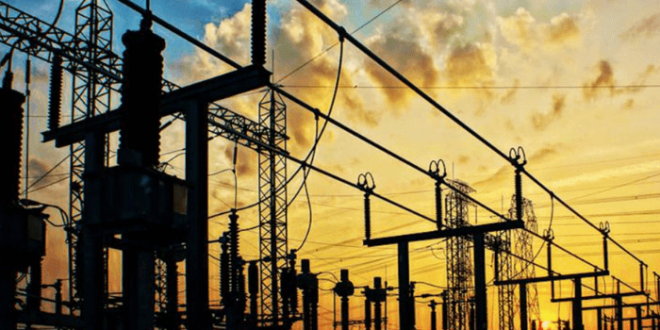
The Nigerian Electricity Regulatory Commission (NERC) has introduced a new set of regulations aimed at strengthening the development and operation of mini-grids across Nigeria.
The guidelines, contained in a regulatory document titled mini-grid regulations 2026, provide a structured framework to expand electricity access, particularly in underserved and off-grid communities, while safeguarding investors and consumers.
Under the new rules, mini-grids with a capacity above 100 kilowatts must obtain a permit from the commission, while smaller systems can operate under a registration model. Operators are also required to comply with reporting obligations, including annual and quarterly submissions depending on capacity.
The regulation applies to both isolated mini-grids operating independently of distribution companies and interconnected systems linked to existing networks. Isolated grids are capped at 5 megawatts, while interconnected ones can operate up to 10 megawatts.
NERC stated that permit applications would be processed within 30 business days, in a move designed to encourage investment while maintaining regulatory oversight.
The framework covers developers, operators, distribution companies, and host communities, ensuring a coordinated approach to power delivery at the local level.
Importantly, the new rules align with the Electricity Act 2023 and allow for state-level regulatory involvement, reflecting ongoing reforms in Nigeria’s electricity sector.
Highlighting the objective of the policy, the commission said, “the regulation aims to accelerate rural electrification, attract private investment, ensure fair tariffs and consumer protection, as well as promote coordination between mini-grid developers and DisCos.”
With Nigeria still grappling with power shortages, industry watchers say the success of the new regulation will depend on how effectively it balances ease of entry for investors with strict compliance requirements.






BREAKING: Ousmane Dembele Scores Decisive Brace As PSG Knocks Out Liverpool From UCL

United CEO floated idea of United-American merger, sources say

I pray everyday for Nigeria to get their act together so that Nigerians donât end up running to a small country like Ghana – President of Ghana, John Mahama

Woman d!es mid-air on flight from New York after crew battled to save her

Sykkuno controversy deepens as NamiKitsunami shares shocking meetup story after HemomaIVT cheating allegations go viral

2027: Momodu backs Atiku-Obi ticket, says APC in ‘obvious panic’

Champions League: Lookman’s goal secures Atletico aggregate win over Barcelona

 Breaking2 weeks ago
Outrage as video of secondary school students in Benue state str!ping their classmate surfaces online
 News2 weeks ago
I Joined A Cult, Worked So Hard For Demons – Tonto Dikeh Confesses While Ministering (Video)
- News2 weeks ago
Heartbreaking Story Of 300-Level Ekiti University Student Who Was K!lled After Truck Crashed Into His Building (Video)
- National2 weeks ago
Environmental Sanitation: Lagos meets with LG, LCDA bosses
- Breaking1 week ago
Mother Abandons 4 Children with Neighbor and Disappears for Months — Shocking Case Raises Questions
- News2 weeks ago
WAEC Releases 2026 WASSCE Timetable (Full List)
- Breaking2 weeks ago
Singer Flavour shows off Italian woman and vows to shower her with so much love that she’ll have no choice but fall in love (video)
- World6 days ago
Trump LIVE: Iran war bombshell as Trump could be 'removed from Presidency'