News
Middle East health systems near collapse as WHO raises alarm

…Ceasefire fails as hospitals buckle under displacement, shortages
By Chioma Obinna
A fragile ceasefire across parts of the Middle East has failed to halt a deepening health emergency, with the World Health Organisation, WHO, warning that health systems across multiple countries are now under severe strain from conflict, mass displacement, and infrastructure breakdown.
In its latest situation report, WHO said the cessation of hostilities remains unstable, warning that the region is facing “operational system disruption” that extends far beyond battlefield injuries, with hospitals, supply chains, and essential services increasingly unable to function.
“The cessation of hostilities remains fragile, underscoring the need to sustain operational readiness for deterioration in the situation,” WHO stated, noting that health services are being undermined by fuel shortages, damaged infrastructure, and continuous population movements across borders.
Hospitals under severe pressure in conflict zones
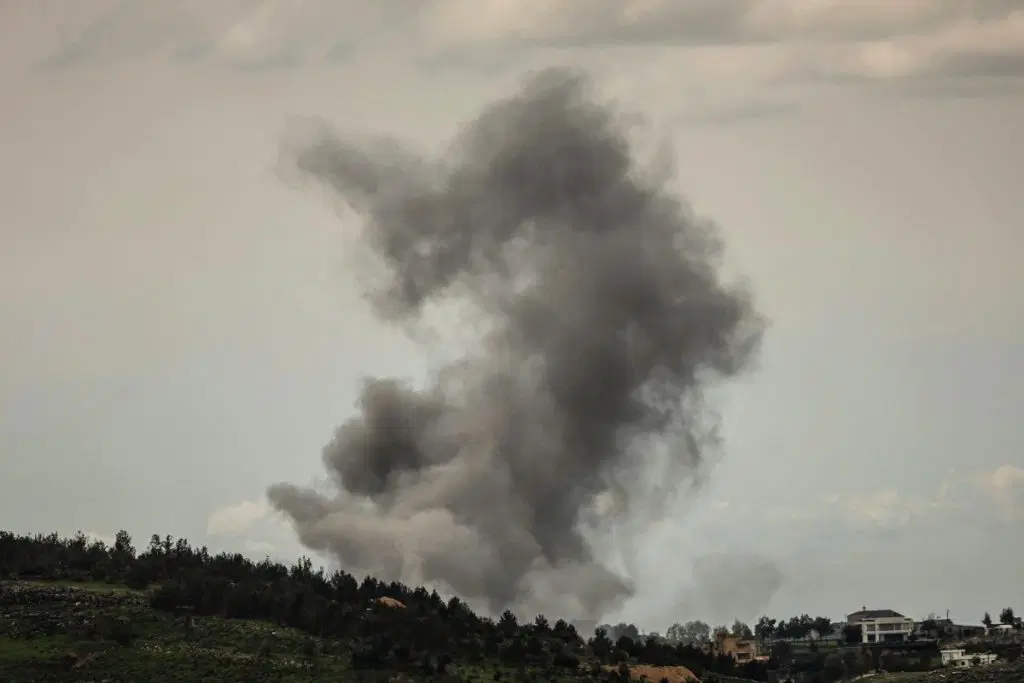
Lebanon remains one of the worst-affected countries, where intensified fighting and repeated evacuation orders have placed major referral hospitals under extreme strain.
In some cases, hundreds of patients, including those in intensive care, face uncertain relocation due to the absence of alternative facilities capable of receiving them.
WHO warned that essential medicines are becoming increasingly scarce, particularly for patients with chronic conditions such as diabetes and kidney failure.
“In southern Lebanon, the health system is shrinking under extreme pressure,” a WHO official said. “Insulin stocks are low, dialysis services are stretched, and trauma cases continue to rise.”
Several hospitals in the south have also been damaged by nearby strikes, with health workers injured and critical emergency equipment destroyed, further weakening response capacity.
System-wide collapse beyond battlefield injuries
The WHO report highlights a shift from direct conflict casualties to broader system failure, where entire health networks are being undermined by fuel shortages, transport disruptions, and broken supply chains.
In Gaza, healthcare delivery, water systems, sanitation services, and hygiene infrastructure continue to deteriorate, while fuel shortages in other settings are crippling hospital operations and emergency response services.
Cold chain failures, medicine shortages, and transport bottlenecks are also affecting the delivery of vaccines and essential drugs, raising fears of secondary health crises.
Displacement intensifying health risks
Across the region, continued displacement is worsening health outcomes, with large population movements driven by insecurity and deteriorating living conditions.
WHO warned that overcrowded shelters and temporary settlements are increasing the risk of infectious disease outbreaks, while mental health and psychosocial needs are rising sharply.
Women, children, the elderly, and people with chronic illnesses remain the most affected, with limited access to maternal care, essential medicines, and basic health services.
Iran, Syria and wider region remain fragile
In the Islamic Republic of Iran, authorities have requested international assistance for emergency medical supplies and chronic disease management, while WHO is preparing coordination mechanisms for potential deployment of Emergency Medical Teams.
In Syria, more than 240,000 people have returned from neighbouring countries since the escalation, placing additional pressure on already fragile health systems. Risks from unexploded ordnance, flooding, and overcrowded settlements remain significant.
Elsewhere in the region, WHO reports continued disruptions to essential health services, disease surveillance systems, and medical supply chains, despite relative calm in some countries.
WHO scales up emergency response
WHO says it has activated global emergency surge mechanisms, including rapid deployment teams, logistics support systems, and expanded medical supply chains.
Through its global logistics hubs, including the Dubai Global Logistics Hub, the agency is distributing trauma kits, essential medicines, and supplies for chronic disease management.
In Lebanon alone, 20 trauma emergency kits have been delivered, with 40 more in transit to public hospitals.
The organisation is also strengthening disease surveillance and risk communication to support early outbreak detection and improve public awareness of emerging health threats.
Funding shortfall threatens response
Despite rising needs, WHO says funding remains critically insufficient. Of the US$30 million required for its Eastern Mediterranean response between March and August 2026, only US$1.6 million has been received so far.
“This level of funding is not enough to sustain life-saving operations,” WHO warned, noting that gaps in medicines, trauma care, and emergency response capacity are widening.
Fragile calm masking deeper crisis
WHO cautioned that although hostilities have eased in some areas, the underlying drivers of the crisis remain unresolved, with continued displacement, infrastructure damage, and energy shortages threatening further deterioration.
“The situation is not stabilising, it is transforming,” a senior WHO official said. “We are witnessing a regional health emergency unfold in real time.”
The post Middle East health systems near collapse as WHO raises alarm appeared first on Vanguard News.






NSC Restates Commitment to Favour Ofili, Urges Her Return to National Team

UTME Results Live? JAMB Set to Release First Batch of 2026 Scores by Midnight

Customs CG declares war on smugglers, seizes ₦93m PMS in Adamawa
Customs CG declares war on smugglers, seizes ₦93m PMS in Adamawa

Two weeks after coronation, Alli declares governorship ambition for 2027

Student Becomes Teacher? Arsenal’s High-Stakes Tactics Forcing City Into ‘Must-Win’ Title Battle

Peter Obi Blasts Leadership Failure Over JAMB Candidates Abduction In Benue

 Breaking3 weeks ago
Outrage as video of secondary school students in Benue state str!ping their classmate surfaces online
 News2 weeks ago
I Joined A Cult, Worked So Hard For Demons – Tonto Dikeh Confesses While Ministering (Video)
- News3 weeks ago
Heartbreaking Story Of 300-Level Ekiti University Student Who Was K!lled After Truck Crashed Into His Building (Video)
- News3 weeks ago
WAEC Releases 2026 WASSCE Timetable (Full List)
- National2 weeks ago
Environmental Sanitation: Lagos meets with LG, LCDA bosses
- Breaking3 weeks ago
Singer Flavour shows off Italian woman and vows to shower her with so much love that she’ll have no choice but fall in love (video)
- Breaking2 weeks ago
Mother Abandons 4 Children with Neighbor and Disappears for Months — Shocking Case Raises Questions
- World1 week ago
Trump LIVE: Iran war bombshell as Trump could be 'removed from Presidency'